
Stroke Warning Signs in Nashville: How to Spot Them Early and When to Get Help
A stroke doesn’t usually send a calendar invite. It barges in, sudden, scary, and time-sensitive. One minute everything feels normal, and the next, someone’s speech is slurred or an arm won’t cooperate.
That’s why knowing the stroke warning signs in Nashville can make a real difference. The faster you recognize what’s happening, the better the odds of getting the right care in time. No guesswork. No waiting it out. Just quick action.
What you will learn:
- How to recognize the stroke warning signs in Nashville early, including the FAST test and other sudden symptoms to watch for.
- When to treat symptoms as an emergency and what steps to take right away so your loved one gets help fast.
- Who may be at higher risk for a stroke and why staying alert (and prepared) matters for families.
- What to expect after a stroke, including the basics of hospital care, recovery support, and prevention-focused next steps.
Table of Contents
Stroke Basics: What’s Happening in the Brain
A stroke happens when blood flow to part of the brain is blocked or when a blood vessel bursts. Either way, the brain isn’t getting what it needs, and brain cells start to suffer fast.

Ischemic vs Hemorrhagic Stroke
Most strokes are ischemic, meaning a clot blocks blood flow to the brain. Think of it like a traffic jam that stops oxygen and nutrients from getting through.
Hemorrhagic strokes are less common but often more dangerous. That’s when a blood vessel breaks and bleeds into the brain, raising pressure and damaging tissue.
TIA: A Serious Warning Sign
A TIA (transient ischemic attack) is sometimes called a “mini-stroke,” but don’t let the nickname fool you. Symptoms can look just like a stroke, then vanish. That disappearing act is exactly why people shrug it off. Big mistake. A TIA is your brain waving a bright red flag, saying, “Hey, something’s wrong. Fix it now.”
The Early Warning Signs to Know
Stroke symptoms tend to show up abruptly. Not gradually. Not “maybe it’s allergies.” More like, “Whoa… why can’t I talk right?”
The FAST Test
FAST is a quick way to spot trouble:
- Face: Does one side droop when they smile?
- Arms: Does one arm drift down when both are raised?
- Speech: Is speech slurred or strange?
- Time: Call 911 right away
In plain terms: if FAST shows something’s off, don’t debate it, act.

Other Common Stroke Symptoms
FAST is great, but it’s not the whole story. Watch for:
- Sudden numbness or weakness on one side
- Sudden confusion or trouble understanding
- Sudden vision changes in one or both eyes
- Sudden severe headache that feels “out of nowhere”
- Sudden dizziness, loss of balance, or trouble walking
If these pop up like a light switch flipping, treat it seriously.
When to Get Help: What to Do in the Moment
Here’s the deal: a stroke is a “right now” emergency, not a “let’s see how you feel after a snack” situation.
Call 911 vs Driving Yourself
Call 911. Every time. EMS can start care on the way and get the person to the right facility faster. Driving might seem quicker, but it can go sideways fast if symptoms worsen.
What to Do While You Wait
While help is on the way:
- Note the time symptoms started (or when they were last seen well).
- Keep the person seated or lying on their side if they feel nauseated.
- Stay calm and keep them calm, easier said than done, but it helps.
- Gather meds list, allergies, and key medical info if you can.
What Not to Do
A few “don’ts” that matter:
- Don’t give food or drink (swallowing may be unsafe).
- Don’t give aspirin unless emergency clinicians advise it.
- Don’t let them “sleep it off.”
- Don’t wait for symptoms to “fully prove” it’s a stroke.

Who’s Most at Risk and Why
Stroke risk isn’t random. It goes up with age, and it rises even more with conditions like high blood pressure, diabetes, high cholesterol, heart disease, and atrial fibrillation.
A previous stroke or TIA is another major red flag, and family history can matter too. If any of these fit your loved one, knowing the stroke warning signs in Nashville becomes even more important.
Top Medical Risk Factors
High blood pressure is one of the biggest stroke drivers because it damages blood vessels over time. Diabetes and high cholesterol can narrow arteries and make clots more likely.
Heart conditions, including atrial fibrillation, can form clots that travel to the brain without warning. The more of these a person has, the higher the risk, and the faster you should act if symptoms appear.
Lifestyle and History Risks
Lifestyle plays a role, too. Smoking harms blood vessels and increases clot risk, and heavy alcohol use can raise blood pressure.
Low activity and poor diet can feed into weight gain and chronic conditions that raise stroke risk over time. If someone has already had a stroke or TIA, staying alert and consistent with prevention is crucial.

What to Expect at the Hospital
Hospitals move quickly with suspected stroke cases because timing can affect treatment. The team will check symptoms, vital signs, and basic brain function, speech, strength, coordination, and vision.
They’ll also ask when symptoms started or when the person was last normal, so try to have that time ready.
How Stroke Is Confirmed
Stroke is usually confirmed with a fast neurological exam and urgent brain imaging, often a CT scan, to check for a blockage or bleeding.
Blood tests may be done to guide safe treatment. Heart rhythm and blood pressure are often checked too, since heart issues can contribute to stroke.
Treatments That Depend on Timing
Some stroke treatments work best within specific time windows, so getting help early matters.
The care team may work to restore blood flow when appropriate and stabilize factors like blood pressure and blood sugar. Even “mild” symptoms can turn serious, so early evaluation is still a must.
After the Emergency: Recovery and Prevention
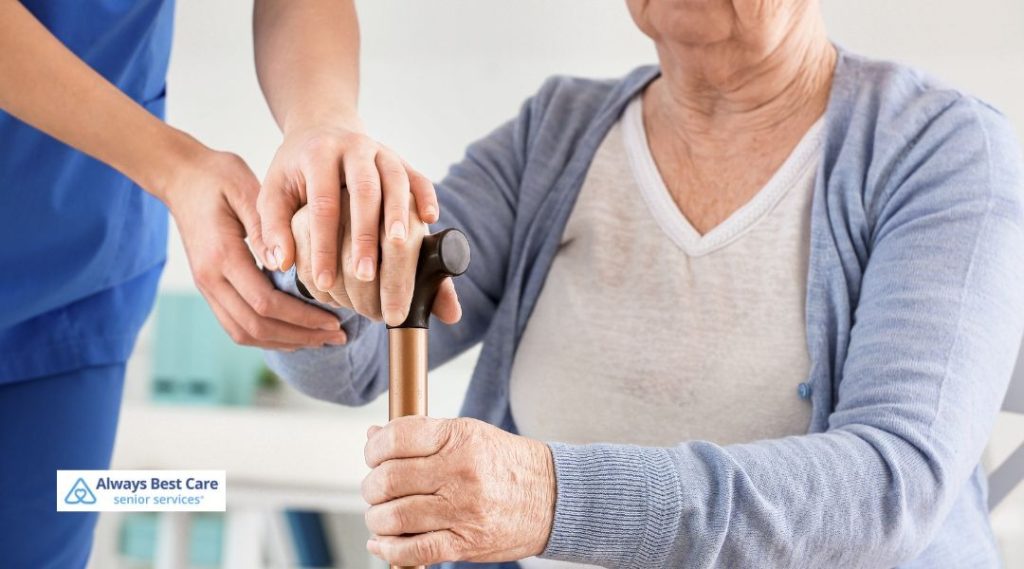
After the initial crisis, recovery becomes the focus, and it can be a winding road. Many people need rehab, home adjustments, and steady support while they rebuild strength and confidence. Progress may feel slow at times, but consistency usually wins.
The First Weeks of Recovery
Early recovery often includes physical therapy for strength and balance, occupational therapy for daily tasks, and speech therapy when needed.
Fatigue is common, and emotions can be intense. A safer routine at home, plus help with mobility and daily needs, can reduce setbacks.
Preventing Another Stroke
Prevention often starts with controlling blood pressure and following medication instructions closely. Managing diabetes, cholesterol, and heart rhythm issues can also lower risk.
Small habits help too: healthier meals, more movement, quitting smoking, and cutting back on alcohol. Keeping follow-up appointments is one of the simplest ways to stay on track.
Support for Families in Nashville
A stroke doesn’t just affect one person, it affects the whole household. Caregiving can be rewarding, but it can also be exhausting. No shame in admitting that.
At-home support may include help with bathing, dressing, meals, mobility, medication reminders, and safe routines. Having another set of hands can reduce falls, missed meds, and caregiver burnout.
Caregiver Support and Respite
Respite care gives families room to breathe, whether that’s running errands, getting sleep, or just having a moment to feel like themselves again. Because, wow, caregiving can be a lot.
Frequently Asked Questions
Q: What are the most common stroke warning signs in Nashville?
A: The most common stroke warning signs in Nashville include facial drooping, arm weakness, slurred speech, sudden confusion, vision changes, severe headache, and sudden dizziness or balance loss.
Q: Should I call 911 even if symptoms go away?
A: Yes. Symptoms that disappear can be a TIA, which is still an emergency warning sign and needs same-day medical evaluation.
Q: What time detail should I tell EMS or the ER team?
A: Share the exact time symptoms started or the last time the person was known to be normal. That timing can affect treatment options.
Q: Can a stroke happen during sleep?
A: Yes. If someone wakes up with symptoms, treat it like an emergency and call 911 immediately.
Q: Is it better to drive to the hospital instead of waiting for an ambulance?
A: In most cases, no. Calling 911 is safer because EMS can begin care on the way and route to the most appropriate facility.

Stay Ready, Stay Supported
Strokes are scary, but knowledge is power, and speed matters. If you remember nothing else, remember FAST and trust your gut when something seems off.
Knowing the stroke warning signs in Nashville can help you act quickly, get the right help, and protect someone you love.
And after the emergency, don’t try to carry everything alone, support at home can make recovery safer, steadier, and a whole lot less overwhelming. If you’d like help supporting a loved one at home after a stroke, contact Always Best Care of Nashville us at (615) 678-0293 for a friendly conversation and next steps.
Link to Markdown file version of the article