Senior Scams: How to Recognize the Warning Signs and Protect Your Loved One in Nashville, TN
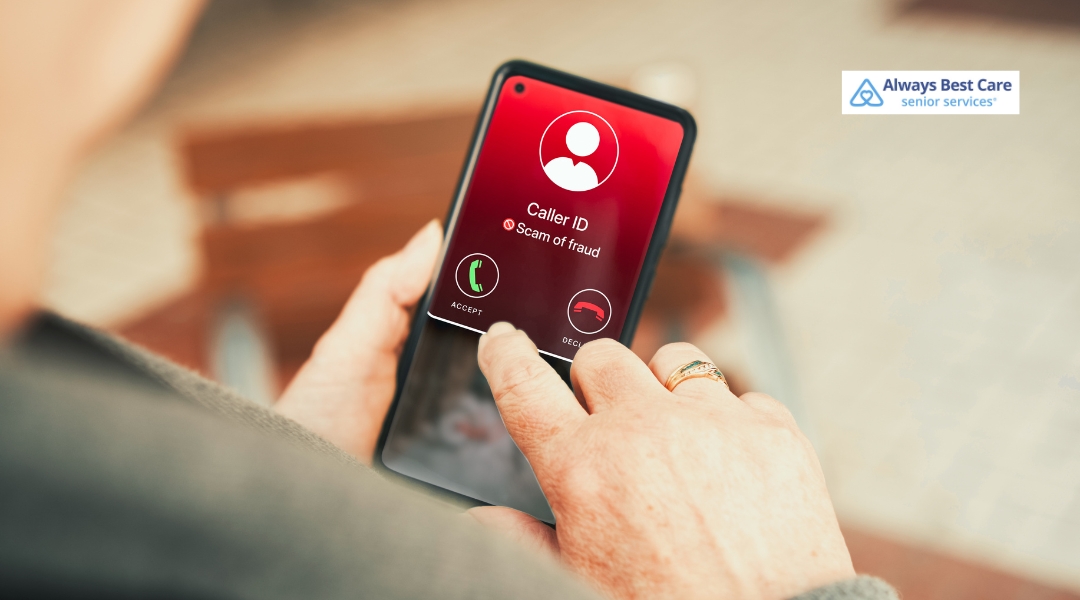
Scams aimed at older adults aren’t just annoying phone calls or odd emails anymore; they’re slick, convincing, and often heartbreakingly effective. In Nashville, many families are shocked to discover that a friendly voice on the phone or a charming “new friend” online was actually a scammer with one goal: their loved one’s money and personal information.
The silver lining? Once we know what to watch for, we’re in a much better position to step in early and keep our loved ones safe. At Always Best Care of Nashville, we talk openly with families about scams because ignoring the problem only gives fraudsters more room to operate.
What you will learn:
- Why older adults are often targeted by scammers and the common situations that can make them more vulnerable.
- The most common senior scams in Nashville, TN and the warning signs families should watch for.
- Simple, caring ways families can help loved ones stay alert, verify requests, and avoid fraud.
- How in-home care and regular companionship can add extra protection and peace of mind at home.
Table of Contents
Why Are Seniors So Often Targeted?
Scammers love easy targets, and they’ve figured out that many older adults can be easier to pressure or confuse. Common reasons include:
- Politeness and trust: Many seniors were raised to be courteous and to give people the benefit of the doubt.
- Stable finances: Retirement savings, home equity, and pensions can make them attractive targets.
- Living alone: Isolation can make someone more likely to answer calls, respond to messages, or believe a friendly stranger.
- Less comfort with technology: Fast-changing digital tools and online platforms can feel overwhelming, making it easier for scammers to slip in unnoticed.
Put all that together, and scammers see seniors as low-hanging fruit, easy to reach and easier to persuade.
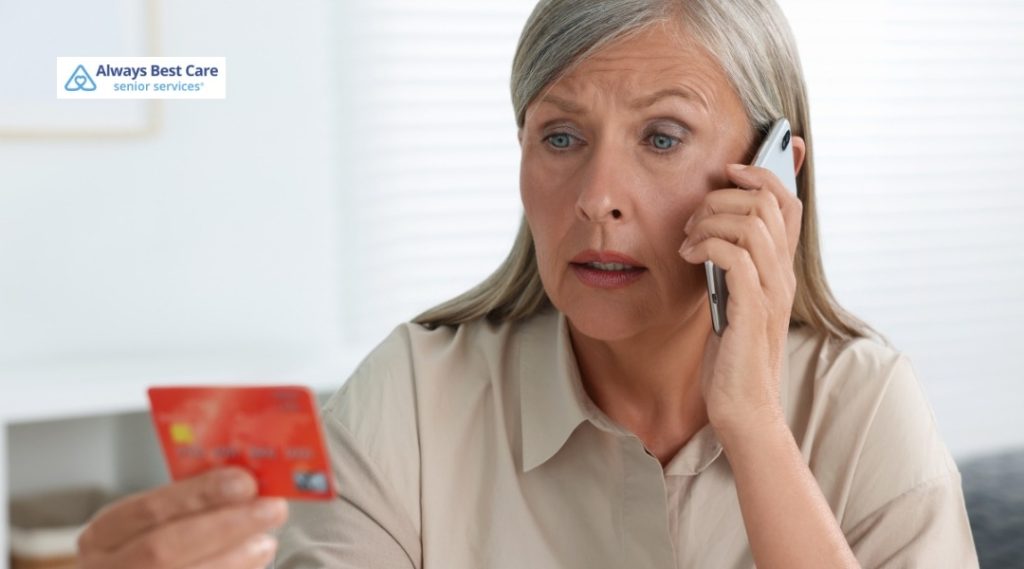
Common Senior Scams in Nashville, TN
Scam artists recycle the same tricks over and over, just dressed up in new clothes. Here are scams we want families in Nashville to know about.
Phone Scams
Phone scammers can sound incredibly convincing. They may claim to be:
- Government agencies (Social Security, IRS, Medicare)
- Utility companies threatening shutoff
- A grandchild or relative in urgent trouble
Their usual game plan? Create panic, demand quick payment, and discourage the person from hanging up or talking to family.
Email and Phishing Scams
Fraudulent emails and texts often:
- Looks like they’re from a bank, clinic, delivery company, or well-known brand
- Contain links that lead to fake websites
- Ask for logins, Social Security numbers, or banking details
One careless click can open the door to stolen identities and emptied accounts.

Sweepstakes and Lottery Scams
“Congratulations, you’ve won!” sounds exciting, until the “prize” requires:
- Upfront fees
- Taxes paid by gift card or wire transfer
- Personal financial information to “release the winnings”
The harsh reality: there’s no prize, only money leaving your loved one’s hands.
Romance Scams
Scammers often target seniors who feel lonely or isolated, especially online. They:
- Build emotional connections over weeks or months
- Share dramatic stories and personal struggles
- Eventually ask for money “just this once” to handle an emergency
By the time money is requested, many people feel emotionally attached and deeply trusting.
Tech Support Scams
A pop-up warning or unexpected call claims:
- “Your computer has a virus.”
- “We detected suspicious activity on your device.”
The scammer then pressures the person to:
- Grant remote access to their computer
- Pay for fake “repairs” or software
Once they’re in, they can steal data, passwords, and more.

Warning Signs of Senior Scams
Most scams share a few telltale red flags. If we keep these in mind, we’re much less likely to be fooled.
Watch for:
- Urgent demands: “Act now or else…”
- Pressure to pay in unusual ways: gift cards, wire transfers, prepaid cards, cryptocurrency
- Unsolicited contact: random calls, emails, texts, or social media messages asking for information or money
- Fear and secrecy: messages that stir up panic and urge the person not to tell family or friends
- Too-good-to-be-true offers: huge prizes, guaranteed returns, miracle products
If something feels off, it probably is. Pausing to double-check can save thousands of dollars and a lot of heartache.
How Families Can Help Protect Loved Ones in Nashville, TN
We’re strongest when we work together. Families in Nashville can build a kind of “scam shield” around their loved ones by:
- Talking openly about scams
Make scam awareness a normal, judgment-free conversation topic, not a lecture. - Encouraging verification
Suggest they hang up, look up the official number, and call back, even if the caller sounds official. - Keeping an eye on finances
With permission, review bank statements or set up alerts for large or unusual transactions. - Using helpful tools
Add call-blocking services, spam filters, and contact lists on phones. - Being a sounding board
Ask them to run big financial decisions by you or another trusted person first.
A supportive, non-judgmental approach makes it more likely your loved one will reach out before a scammer gets too far.

The Role of In-Home Care in Scam Prevention
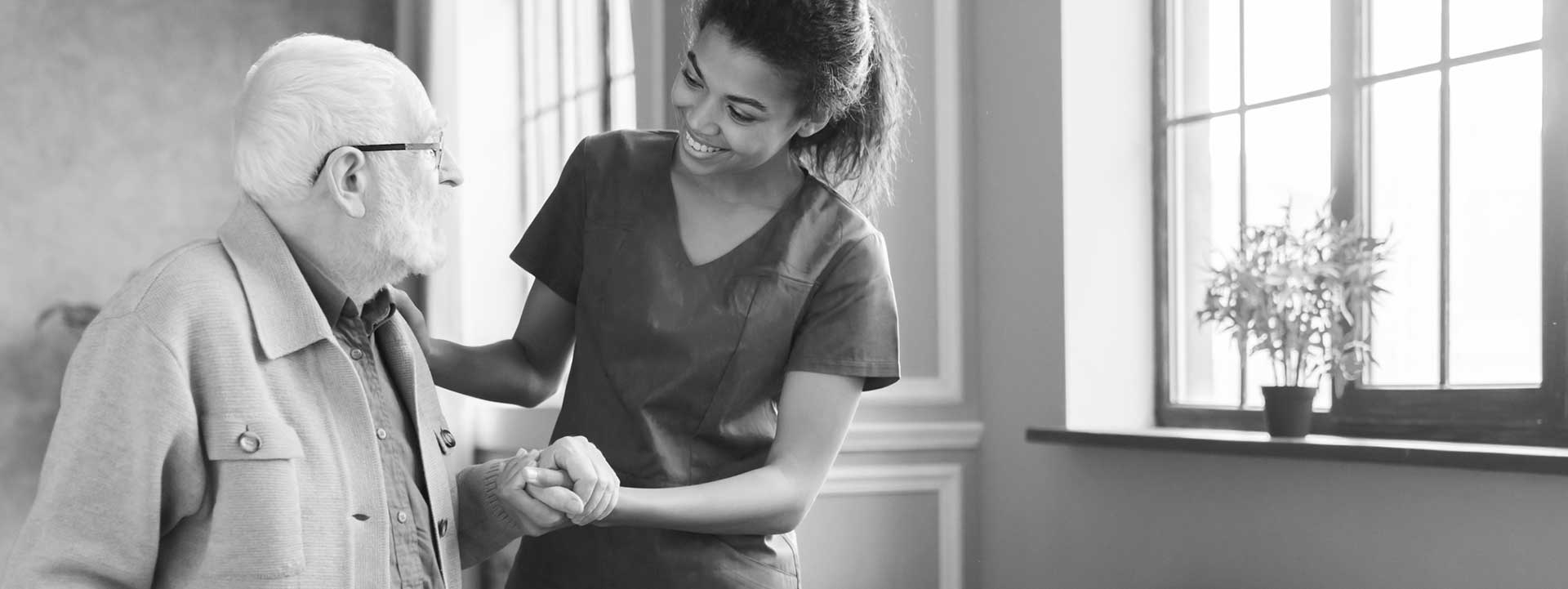
In-home care isn’t just about help with meals, errands, or personal care. It can also be a powerful safeguard against scams.
At Always Best Care of Nashville, we understand how isolation and confusion can make seniors more vulnerable to fraud, so we build everyday safety into our care. We:
- Help with screen phone calls and unexpected visitors
- Notice changes in mood, spending, or talk about “new friends” or “great investments”
- Offer regular companionship so they’re less tempted to seek comfort from strangers online
- Encourage regular communication between seniors and their families
Because we see clients regularly, we can often spot subtle warning signs earlier than others might and raise concerns before bigger damage is done.
What Should You Do If You Suspect a Scam?
If you think a loved one in Nashville has been targeted or already fallen for a scam, take action quickly, but gently.
Here’s a straightforward game plan:
- Contact the bank or credit card company right away
Ask them to stop or reverse the charges, if possible, and monitor accounts closely. - Report the scam
Reach out to local law enforcement and appropriate state or federal agencies. - Watch for ongoing activity
Keep checking accounts and credit reports for new issues. - Offer reassurance, not blame
Many victims feel embarrassed or foolish. Remind them that scammers are highly skilled and that they’re not alone.
A calm, supportive response helps rebuild trust and makes it more likely they’ll speak up quickly if anything strange happens again.

Frequently Asked Questions
Q: How can I bring up the topic of scams without upsetting my loved one?
A: Try framing it as something “we’re all dealing with nowadays,” and share a story you’ve heard in the news. That way, it feels like a shared problem, not a criticism.
Q: Are landlines safer than cell phones for seniors?
A: Not necessarily. Scammers target both. Robocalls and spoofed caller IDs hit landlines and mobile phones alike, so education and call blocking matter more than the type of phone.
Q: What’s one simple rule my loved one can follow to avoid most scams?
A: A helpful rule of thumb: “Never give out personal or financial information to anyone who contacts you first.” If they didn’t start the conversation, they shouldn’t share sensitive details.
Q: Can caregivers really help reduce scam risk?
A: Yes. A caregiver who knows your loved one well can spot unusual behavior, help manage calls and emails, and encourage them to check in with family before making big decisions.
Q: How often should we review finances for red flags?
A: Monthly is a good baseline, but more frequent checks may be useful if you’ve already seen suspicious activity or sudden changes in spending habits.
Staying One Step Ahead in Nashville
Senior scams may be getting more sophisticated, but families in Nashville aren’t powerless. By learning the warning signs, staying connected, and keeping conversations open, we can dramatically cut the risk of fraud.
At Always Best Care of Nashville, we see safety as part of everyday care. We work alongside families to help protect loved ones from scams while supporting their independence, dignity, and confidence at home.
If you’re worried about a loved one’s vulnerability to scams or you just want an extra set of eyes and ears, reach out to us at Always Best Care of Nashville at (615) 752-2097 to schedule a care consultation and learn how we can help keep your loved one safer and more supported right where they’re most comfortable: at home.
Link to the Markdown file version of the article