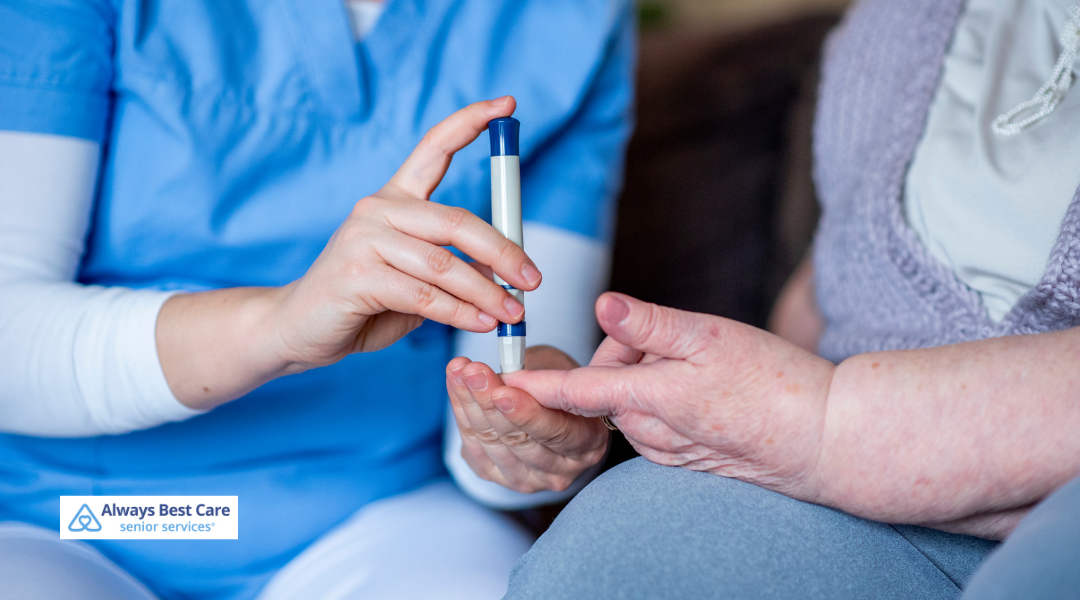

Enhancing Recovery at Home in Nashville: How Cancer Patients Benefit from Personalized In-Home Support

Cancer recovery isn’t just about treatments and appointments; it’s about comfort, familiarity, and dignity. More families in Nashville are recognizing that healing doesn’t have to happen within hospital walls.
Enhancing Recovery at Home in Nashville is changing the experience for patients, offering tailored support that meets physical and emotional needs right where they feel safest: home.
What you will learn:
- How Enhancing Recovery at Home in Nashville supports cancer patients through personalized, in-home care.
- Why recovering at home can improve comfort, emotional well-being, and overall healing.
- The role of caregivers in easing daily challenges and supporting both patients and families.
- When to consider in-home support and how it helps throughout different stages of recovery.
Table of Contents
What Makes In-Home Cancer Support So Effective?
Hospital care plays a critical role, but once patients return home, the real day-to-day recovery begins. That’s where personalized in-home support steps in. Caregivers adapt routines, provide hands-on assistance, and create a calming environment that encourages healing.
Rather than a one-size-fits-all approach, care plans are shaped around each patient’s condition, preferences, and energy levels. Some days call for extra rest, others for light activity, and having that flexibility can make all the difference.

Enhancing Recovery at Home in Nashville Through Personalized Care
No two cancer journeys look the same, and care shouldn’t either. That’s where personalized in-home support plays a meaningful role. Instead of following a rigid routine, caregivers adjust their approach day by day, sometimes hour by hour.
One day might call for extra help with meals and rest, while another might allow for light activity or conversation. This flexibility ensures patients aren’t pushed beyond their limits, yet still feel encouraged to move forward.
Physical Support That Eases the Burden
Cancer treatments can take a toll on the body. Fatigue, nausea, and weakness often make basic tasks feel overwhelming. Having someone there to help with daily activities lifts that weight off the patient’s shoulders.
Caregivers assist with:
- Bathing, grooming, and dressing
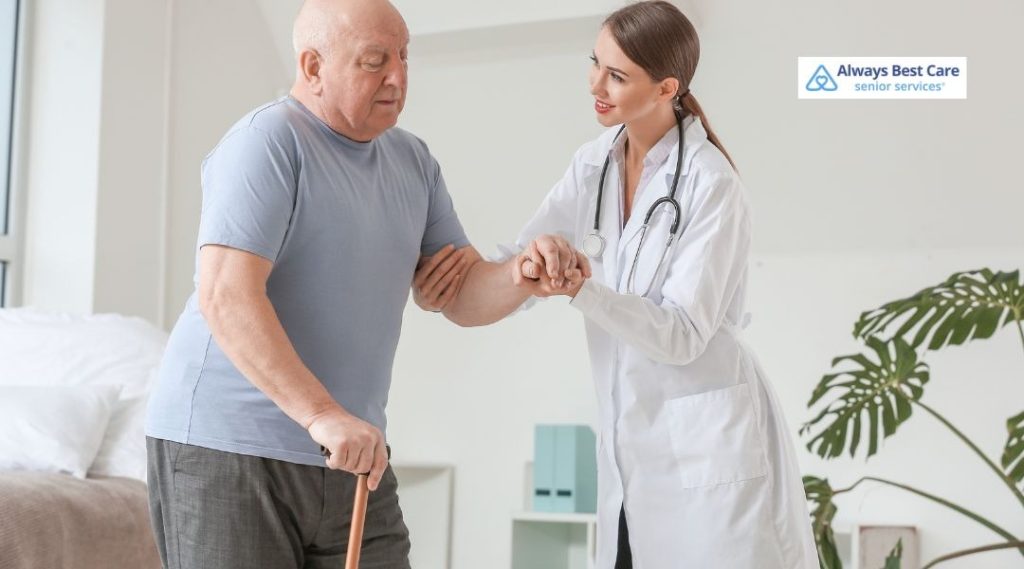
- Safe movement around the home
- Light housekeeping to maintain a clean, stress-free space
With these essentials handled, patients can focus on rest and recovery instead of chores.

Emotional Support: The Often Overlooked Ingredient
Healing isn’t purely physical. Emotional well-being plays a huge role in recovery, yet it’s easy to overlook. Long days at home can feel isolating, especially during intensive treatment phases.
That’s where companionship matters. A friendly face, a conversation over tea, or even quiet presence can lift spirits. Caregivers often become trusted companions, helping patients feel less alone and more supported.
Supporting Families Along the Way
Let’s be honest, family caregivers carry a heavy load. They juggle responsibilities, worry constantly, and often put their own needs last. Personalized in-home care doesn’t replace family involvement; it strengthens it.
Relief comes in the form of:
- Time to rest and recharge
- Confidence that a loved one is in capable hands
- Guidance from experienced caregivers
It’s a team effort, and everyone benefits when support is shared.
A Safer Recovery Environment
Hospitals are essential, but they can expose patients to infections, especially those with weakened immune systems. Recovering at home reduces that risk significantly.
In-home caregivers follow hygiene protocols, monitor changes in health, and help maintain a clean living space. It’s a quieter, safer setting where patients can heal without unnecessary exposure.
When Should Families Consider In-Home Support?
Timing matters. Many families wait until they feel overwhelmed, but early support often leads to better outcomes.
Consider in-home care when:
- Daily tasks become physically exhausting
- Treatment side effects start interfering with routines
- Emotional stress begins to build for the patient or family
- Transitioning from hospital to home care feels uncertain
Starting sooner rather than later can ease the entire journey.

Enhancing Recovery at Home in Nashville After Treatment
Recovery doesn’t stop when treatment ends. In fact, post-treatment care is just as important. Patients may still face fatigue, mobility challenges, or emotional ups and downs.
Personalized in-home care helps bridge that gap by:
- Encouraging gradual return to normal activities
- Monitoring lingering side effects
- Supporting long-term wellness habits
It’s about rebuilding strength step by step, without rushing the process.
Frequently Asked Questions
Q: What is personalized in-home cancer care?
A: Personalized in-home cancer care refers to non-medical support tailored to a patient’s unique needs, including help with daily activities, emotional companionship, and routine assistance during recovery.
Q: How does in-home care improve cancer recovery?
A: It promotes comfort, reduces stress, and allows patients to heal in a familiar environment while receiving one-on-one attention suited to their condition.
Q: Is in-home care only for advanced cancer patients?
A: No. Patients at any stage, during treatment, recovery, or remission, can benefit from additional support at home.
Q: Can in-home caregivers assist with medication?
A: Caregivers provide reminders and help maintain schedules, but medical administration depends on regulations and care provider qualifications.
Q: How do I know if my loved one needs in-home care?
A: Signs include difficulty managing daily tasks, increased fatigue, emotional distress, or the need for consistent support after hospital discharge.

Comfort, Care, and a Better Path to Recovery
Enhancing Recovery at Home in Nashville offers more than convenience; it brings comfort, dignity, and personalized attention into the healing process. With the right support system in place, cancer patients can focus on what truly matters: regaining strength, maintaining hope, and moving forward one day at a time.
If you or a loved one could benefit from compassionate, personalized care, don’t wait to explore your options. Reach out to Always Best Care of Nashville at (615) 752-2097 today to learn how in-home support can make recovery safer, smoother, and more comfortable, right where it matters most.
Link to the Markdown File version of the article