

Aging in Place with a Chronic Illness: How In-Home Care Promotes Independence in Nashville, TN

Living at home is about more than convenience. For most seniors, it means staying connected to the life they have built — familiar surroundings, personal routines, and a sense of control. A chronic illness diagnosis does not have to change that.
Conditions like heart disease, diabetes, COPD, arthritis, and Parkinson’s disease affect millions of older adults. While these conditions require ongoing management, they do not automatically mean a move to assisted living or a nursing facility. With the right in-home support, many seniors in Nashville can continue living safely and independently where they feel most comfortable.
What You Will Learn
- Why aging in place can help Nashville seniors with chronic illnesses feel safe, comfortable, and independent.
- How personalized in-home care supports everyday routines, health needs, and mobility at home.
- How consistent care and early awareness of health changes can help prevent avoidable setbacks.
- Why companionship and compassionate support can bring reassurance to seniors and their families.
Table of Contents
Why Aging in Place Matters for Seniors with Chronic Illness
Research consistently shows that seniors who remain in their own homes tend to experience better emotional health and, in many cases, better physical outcomes. Familiar environments reduce stress, support cognitive function, and give seniors a greater sense of dignity.
For those managing a chronic condition, that stability matters even more. Disrupting routines — moving to a new setting, adjusting to unfamiliar caregivers, losing personal space — can worsen symptoms and increase anxiety. Aging in place, supported by professional in-home care, offers a more consistent and comfortable path forward.

The Real Challenges Seniors Face at Home
Managing a chronic illness at home is not without difficulty. Many seniors juggle multiple medications, frequent medical appointments, dietary restrictions, and physical limitations — often while dealing with fatigue or pain that makes even simple tasks feel overwhelming.
Common challenges include:
- Keeping track of multiple medications and dosage schedules
- Reduced mobility or persistent chronic pain
- Fatigue that limits the ability to complete household tasks
- Higher risk of falls, especially in seniors with balance or vision issues
- Getting to and from medical appointments without reliable transportation
- Social isolation and feelings of loneliness
Left unaddressed, these challenges can compound over time — leading to missed medications, skipped meals, delayed medical care, and avoidable hospitalizations. In-home care helps prevent that cycle before it starts.
How In-Home Care Supports Daily Life
One of the greatest strengths of in-home care is that it is built around the individual. There is no one-size-fits-all approach. Caregivers work alongside seniors — not in place of them — helping where support is needed while encouraging as much independence as possible.
Practical support may include:
- Assistance with bathing, dressing, and personal hygiene
- Meal planning and preparation tailored to dietary needs
- Light housekeeping and laundry
- Grocery shopping and running errands
- Transportation to medical appointments and follow-up visits
- Medication reminders to support consistent treatment plans
This kind of hands-on help allows seniors to conserve their energy for the things that matter most to them, whether that is spending time with family, pursuing hobbies, or simply resting comfortably at home.

Consistency Is the Foundation of Chronic Illness Management
Managing a chronic condition well depends heavily on routine. Missing a dose of medication, skipping a meal, or failing to attend a follow-up appointment can trigger setbacks that are difficult to reverse.
In-home caregivers help seniors maintain the daily habits that keep symptoms under control:
- Following prescribed medication schedules without gaps
- Eating balanced, nutritious meals that align with health guidelines
- Staying properly hydrated throughout the day
- Participating in physician-approved physical activity
- Attending all scheduled medical appointments
Over time, this consistency can make a meaningful difference in a senior’s overall health trajectory and quality of life.
Catching Problems Before They Become Emergencies
One of the most valuable — and often overlooked — benefits of in-home care is early observation. Caregivers spend significant time with seniors and are often the first to notice subtle changes that family members or physicians might miss.
Warning signs caregivers are trained to watch for include:
- Changes in appetite or sudden weight loss
- Increased fatigue or unusual lethargy
- Difficulty walking or new balance issues
- Shortness of breath or labored breathing
- Swelling in the legs or feet
- Confusion, disorientation, or behavioral changes
When these signs are caught early, families can contact healthcare providers before a manageable issue becomes a medical emergency. This proactive approach is one of the key reasons in-home care helps reduce hospital readmissions among seniors with chronic conditions.
The Emotional Side of Chronic Illness
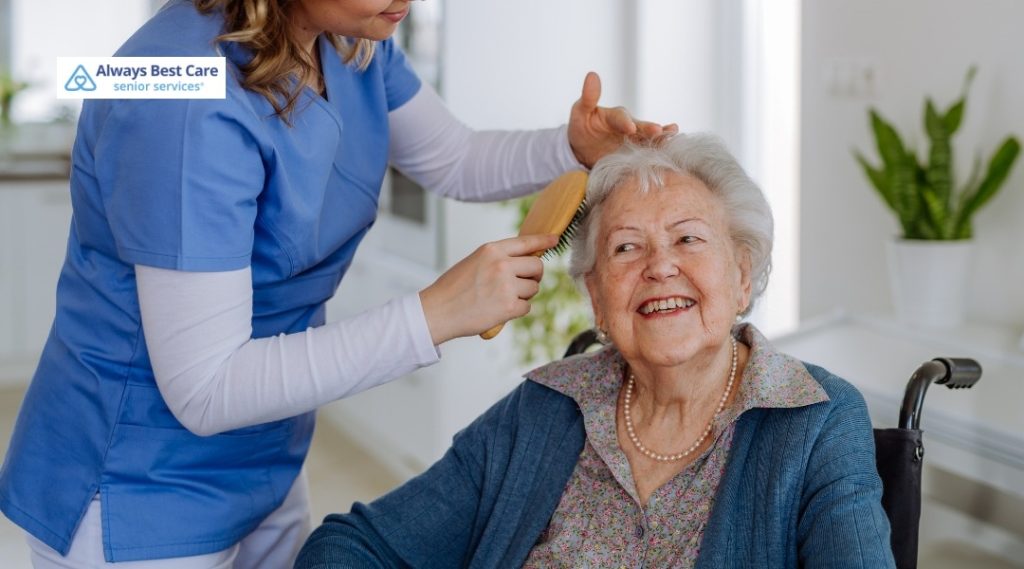
Physical symptoms are only part of the picture. Chronic illness often brings frustration, grief, anxiety, and loneliness — especially as seniors adjust to new limitations and reduced independence.
Companionship is a core component of quality in-home care. Having a consistent caregiver to talk with, share meals, take walks, or simply sit with can significantly reduce feelings of isolation. For seniors, that human connection supports emotional resilience and a more positive outlook on daily life.
For families, in-home care also provides peace of mind. Knowing that a trusted professional is present and attentive allows family members to step back from the role of primary caregiver without guilt or worry.
How Always Best Care of Nashville Helps
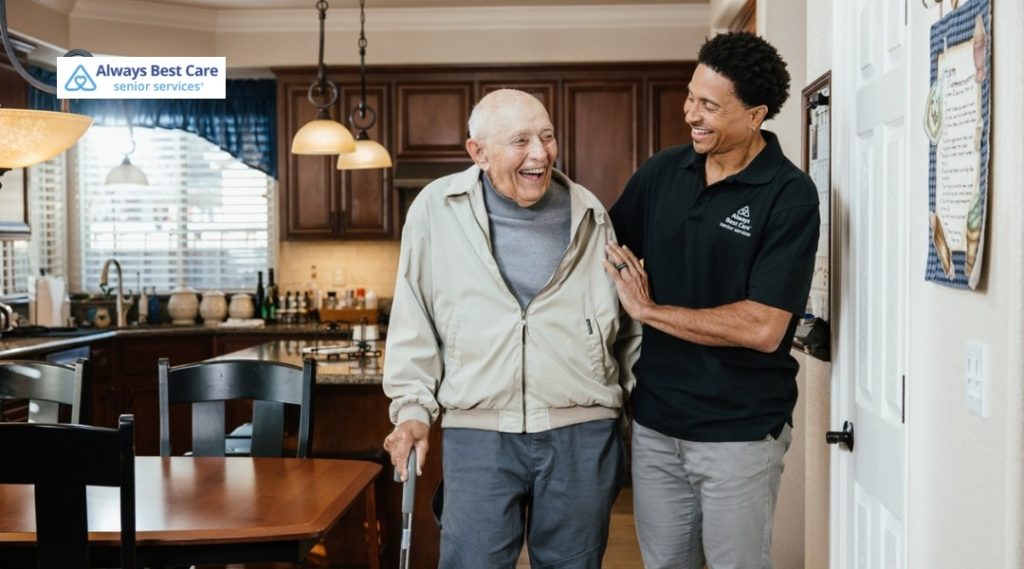
At Always Best Care of Nashville, we understand that no two seniors are alike. Our team works closely with families to develop personalized care plans that reflect each individual’s health needs, daily routines, and personal goals.
Whether your loved one is managing diabetes, recovering from a stroke, living with COPD, or navigating multiple chronic conditions, our caregivers provide compassionate, consistent support — from medication reminders and meal preparation to transportation and companionship.
Frequently Asked Questions
Q: What types of chronic illnesses can in-home care support?
A: In-home care can support a wide range of chronic conditions, including heart disease, diabetes, COPD, arthritis, Parkinson’s disease, and stroke recovery. Care plans are tailored to each individual’s specific health needs and daily challenges.
Q: Is in-home care a replacement for medical treatment?
A: No. In-home caregivers are not medical professionals and do not replace physicians or clinical care. They provide non-medical support — such as medication reminders, personal care, and companionship — that complements a senior’s existing treatment plan.
Q: How do I know if my loved one needs in-home care?
A: Signs that in-home care may be beneficial include difficulty managing medications, trouble with daily tasks like cooking or bathing, increased fall risk, missed medical appointments, or noticeable social withdrawal. A care consultation can help assess the right level of support.
Q: Can in-home care help prevent hospitalizations?
Yes. Consistent in-home care helps seniors maintain healthy routines and allows caregivers to identify early warning signs of health changes. This proactive monitoring can reduce the likelihood of avoidable emergency visits and hospital readmissions.
Q: How is a care plan created?
A: Always Best Care of Nashville works with the senior and their family to assess needs, preferences, and health goals. From there, a personalized care plan is developed and adjusted over time as needs change.
Q: Is in-home care available on a flexible schedule?
A: Yes. In-home care can be arranged on a part-time, full-time, or as-needed basis, depending on the senior’s situation and the family’s preferences.
The Right Care Helps Home Remain Home
A chronic illness may change how a senior lives day to day, but it does not have to determine where they live. With the right care in place, independence at home is not just possible — it is sustainable.
Call Always Best Care of Nashville at (615) 752-2097 to schedule a care consultation and learn how we can help your loved one stay safe, comfortable, and confident at home.
Link to the Markdown File version of the article