
How Physical Therapy Helps Nashville Stroke Survivors Regain Strength and Mobility

A stroke can turn familiar movements into frustrating hurdles. Getting out of bed, standing at the kitchen counter, walking to the mailbox, or stepping into the shower may suddenly require far more effort than before. That’s a tough adjustment, no doubt about it.
Still, recovery isn’t an all-or-nothing proposition. With medical guidance, consistent practice, and the right support system, many survivors make meaningful progress over time. How Physical Therapy Helps Nashville Stroke Survivors Regain Strength and Mobility comes down to one practical goal: helping people safely relearn movements that matter in everyday life.
Physical therapy is usually part of a wider rehabilitation plan that may also include occupational therapy, speech therapy, nursing care, and support from family caregivers. Rehabilitation should begin once a person is medically stable, with goals tailored to their physical, communication, cognitive, and emotional needs.
What You Will Learn
- How physical therapy can help stroke survivors rebuild strength, balance, and everyday mobility
- Why consistent movement practice and professional rehabilitation matter during stroke recovery
- Ways a safer home environment and supportive daily routines can encourage progress
- How in-home care can help Nashville families support a loved one after a stroke
Table of Contents
How Physical Therapy Helps Nashville Stroke Survivors Regain Strength and Mobility
A stroke may affect strength, balance, coordination, sensation, endurance, and muscle control. Some survivors experience weakness or paralysis on one side of the body, while others may struggle with foot drop, unsteady walking, stiffness, or fatigue. The details vary, which is why therapy plans shouldn’t be one-size-fits-all.
A physical therapist starts by assessing how a person moves, transfers, stands, walks, and manages daily tasks. From there, treatment may focus on the movements that have the greatest impact on safety and independence.
Building strength and control
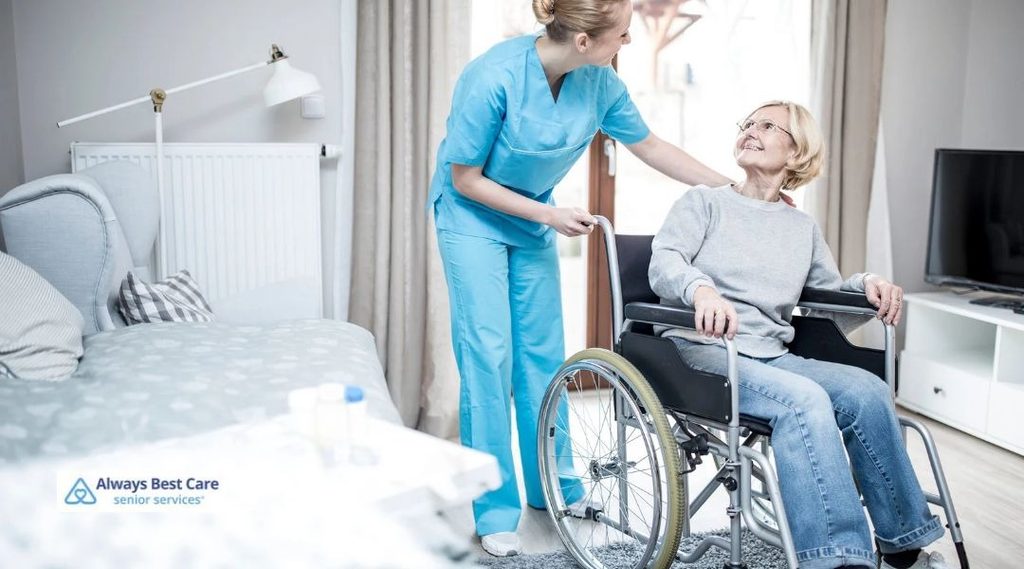
Weakness after a stroke can make even simple actions feel like heavy lifting. Physical therapy uses safe, progressive exercises to strengthen affected muscles and improve control. Depending on the survivor’s abilities, therapy may involve seated exercises, supported standing, resistance work, stepping practice, or repeated movements of the arms and legs.
The aim isn’t merely to build muscle. It’s to help the body use that strength in practical ways, such as rising from a chair, maintaining balance while reaching, or standing long enough to prepare a meal.
Improving balance and preventing falls
Balance problems are common after a stroke, and a fall can set recovery back in a hurry. Therapists may guide survivors through weight-shifting, standing, turning, reaching, and stepping exercises that match their current abilities.
They can also teach safer ways to move through tight spaces, navigate uneven surfaces, and use mobility devices when needed. Canes, walkers, and other assistive devices may improve balance, walking efficiency, and safety for people with gait impairments.
Relearning how to walk
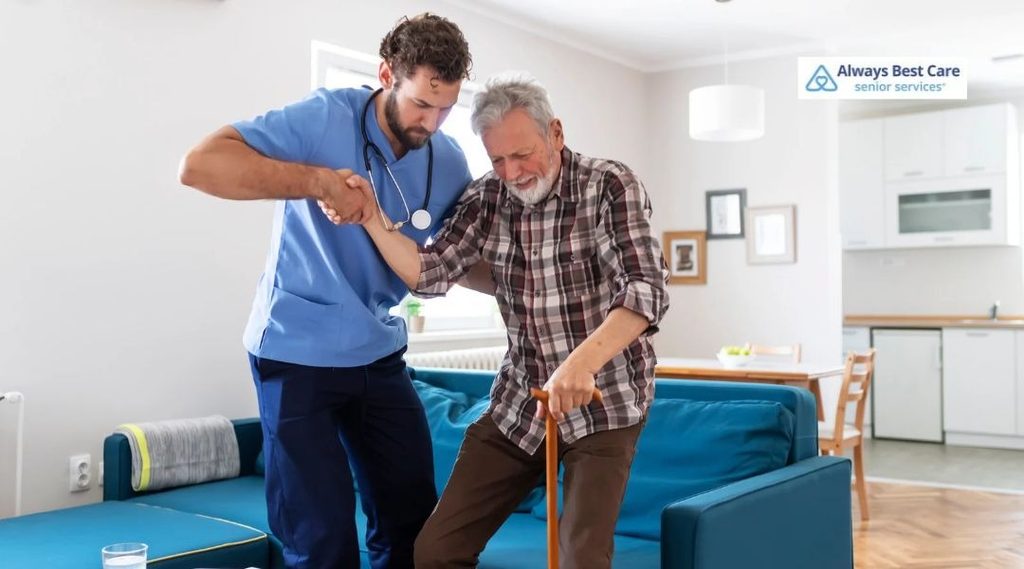
For many survivors, walking again is a major recovery milestone. Gait training helps a person practice the pattern, timing, posture, and endurance needed for safer movement. Therapy might involve walking with support, practicing turns, stepping over small obstacles, using a treadmill, or working on stairs.
The work can feel repetitive, and frankly, that’s part of the point. Repeated, task-focused practice is a key part of mobility rehabilitation after stroke. One day, the goal may be taking a few steady steps from the sofa to the bathroom. Later, it may be walking safely through a Nashville grocery store or visiting a favorite park.
Supporting the brain’s relearning process
After a stroke, the brain may need to form new pathways to support movement. This capacity is often called neuroplasticity. In plain English, it means the brain can adapt through focused, repeated practice.
Progress may be slow, uneven, and full of good days and off days. That’s normal. A person may master one task before another, or notice that fatigue makes movement harder later in the day. Consistent therapy helps turn small gains into useful routines.

Making Progress at Home
Therapy sessions are vital, yet recovery continues between appointments. Home is where survivors practice the movements that shape daily life: getting dressed, reaching for a glass, sitting down safely, and moving from room to room.
A safer home environment can make a real difference. Families may need to remove loose rugs, clear pathways, improve lighting, secure cords, or add grab bars where recommended by a healthcare professional. Keeping commonly used items within easy reach can reduce unnecessary strain and risky stretching.
Caregivers can help by encouraging prescribed exercises, allowing the survivor adequate time to complete tasks, and avoiding the temptation to do everything for them. It’s a balancing act. Too much assistance can limit practice, while too little may compromise safety.
The Role of In-Home Care
Physical therapists direct rehabilitation, while in-home caregivers can provide practical support around the therapy plan. For a stroke survivor, that support may include help with bathing, dressing, meal preparation, light housekeeping, medication reminders, mobility assistance, and transportation to appointments.
For families, reliable care can ease the pressure of managing every task alone. It also helps create a consistent routine, which can be especially helpful during the ups and downs of recovery.
Always Best Care of Nashville can support families as they coordinate daily care needs for a loved one recovering from stroke. In-home care does not replace prescribed therapy or medical treatment. Rather, it can complement those services by helping a survivor stay safer, more comfortable, and more supported at home.
Frequently Asked Questions
Q: How soon should physical therapy begin after a stroke?
A: Stroke rehabilitation generally begins in the hospital once the survivor is medically stable. Current American Stroke Association guidance says rehabilitation should ideally start within 48 hours when appropriate, while avoiding moderate- to high-intensity exercise and task practice during the first 24 hours after a stroke.
Q: Can physical therapy help a stroke survivor walk again?
A: Physical therapy may help improve walking ability by addressing leg strength, balance, coordination, endurance, and gait mechanics. Recovery varies based on the type and severity of the stroke, overall health, and consistency of rehabilitation.
Q: How long does physical therapy last after a stroke?
A: There is no universal timeline. Some people need therapy for weeks, while others benefit from rehabilitation over months or longer. Stroke recovery can continue for months or years, and therapy goals may change as a survivor’s abilities evolve.
Q: Can a family caregiver help with physical therapy exercises?
A: Family members can encourage and assist with exercises that a licensed therapist has specifically recommended. They should not introduce new exercises or push through pain, dizziness, or sudden changes in symptoms without professional guidance.
Q: What support can Always Best Care of Nashville provide after a stroke?
A: Always Best Care of Nashville can provide non-medical in-home support with daily routines, personal care, meal preparation, companionship, mobility assistance, and respite for family caregivers. Services should be coordinated with the stroke survivor’s healthcare and rehabilitation team.
Every Step Forward Matters
Stroke recovery rarely follows a straight line. There may be setbacks, breakthroughs, and plenty of “not quite there yet” moments. Even so, steady physical therapy can help survivors rebuild strength, improve mobility, reduce fall risks, and regain confidence in the routines that make a home feel like home.
If your loved one needs compassionate, non-medical assistance while recovering from a stroke, reach out to Always Best Care of Nashville at (615) 678-0293 today to learn how personalized in-home care can support a safer, more comfortable recovery journey.
Link to the Markdown File version of the article