
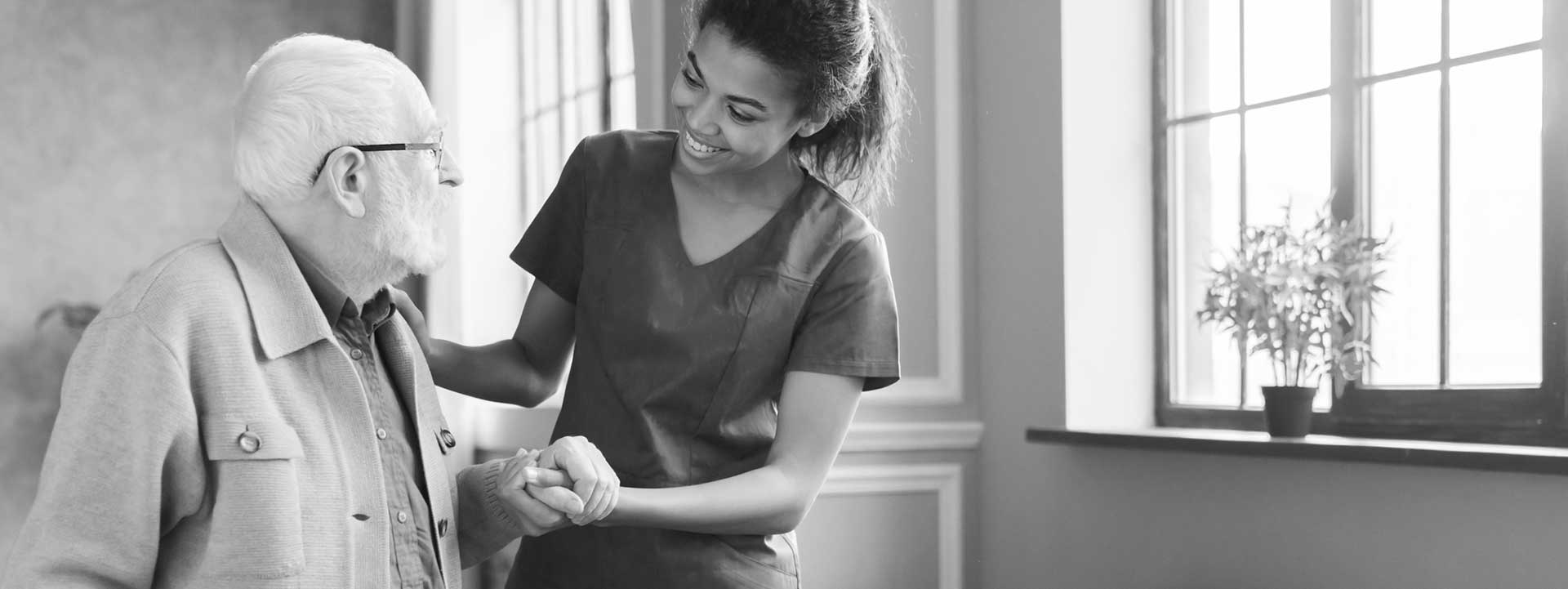
Why Having Something to Look Forward to Matters for Senior Mental Health in Greater Nashville

The week can feel different when a small plan is waiting at the end of it. For older adults in Greater Nashville, looking forward to a visit or an activity may be especially helpful during retirement, after the loss of a spouse, or while managing changes in health and mobility. Enjoyable routines and connection with others can add motivation and fulfillment when days seem too much alike.
What you will learn:
- Why having something to look forward to matters for senior mental health.
- How meaningful hobbies and small commitments can bring joy and purpose after retirement.
- Ways to nurture social connections through shared activities and companionship.
- How to plan enjoyable activities with your loved one while leaving room for rest.
Table of Contents
Why anticipation matters for Senior Mental Health
An upcoming event gives a person something to think about and prepare for before it happens. A weekly lunch, a visit from grandchildren, a community event, or a book club can bring a pleasant point of focus. Choosing a plan, keeping track of dates, and organizing the details also engage the mind.
Activities are not a guarantee against depression or memory loss. They can, however, make daily life more interesting and emotionally rewarding.

Finding a sense of purpose after retirement
Work often supplies structure, responsibilities, social time, and the satisfaction of getting something done. Retirement may open up new freedom, but stepping away from familiar routines can leave a person with less structure. The same gap can arise when driving ends, physical challenges limit outings, or community involvement changes.
Volunteering, mentoring younger people, participating in a religious group, or helping with family traditions can create ways to contribute. Gardening, looking after plants, learning, or doing a creative project may be meaningful, too. Big commitments aren’t necessary; the best activity is one that matters to the senior and keeps them involved.
Hobbies make room for enjoyment
A hobby can offer a chance to learn, create, solve a problem, or focus on something enjoyable. Someone who likes cooking could try a new recipe. A person drawn to family history might organize photographs or research relatives. Music, painting, woodworking, puzzles, and writing are other possibilities. The pleasure is in taking part, not in getting everything just right.
If a favorite activity feels harder because of vision, arthritis, or lower energy, consider a simpler version. A small adjustment can help make the hobby enjoyable again.

Plan time with other people
Social circles may shrink when friends move, loved ones pass away, or transportation and mobility become more challenging. Regular plans help seniors keep relationships going and create opportunities to meet others. Consider arranging:
- A weekly coffee date or lunch with a friend
- Visits with grandchildren or other relatives
- A community class or group activity
- A regular phone or video call
- A faith gathering or volunteer activity
Even a familiar visit at home can give someone a welcome moment to anticipate.
Choose small plans and leave room to rest
Going out often isn’t necessary. A favorite television show, a Sunday call, a library trip, or an afternoon spent baking may mean just as much. Ask your loved one what they’d enjoy rather than arranging everything on their behalf. Choosing activities together respects independence and keeps plans connected to their interests.
A full calendar can be tiring. Leave space for quiet time and adjust the pace if activities start to feel like too much.
How Always Best Care of Greater Nashville can help
For an older adult who lives alone or has difficulty leaving home, staying socially active may take extra effort. Family members often balance their loved one’s needs with work and other duties.
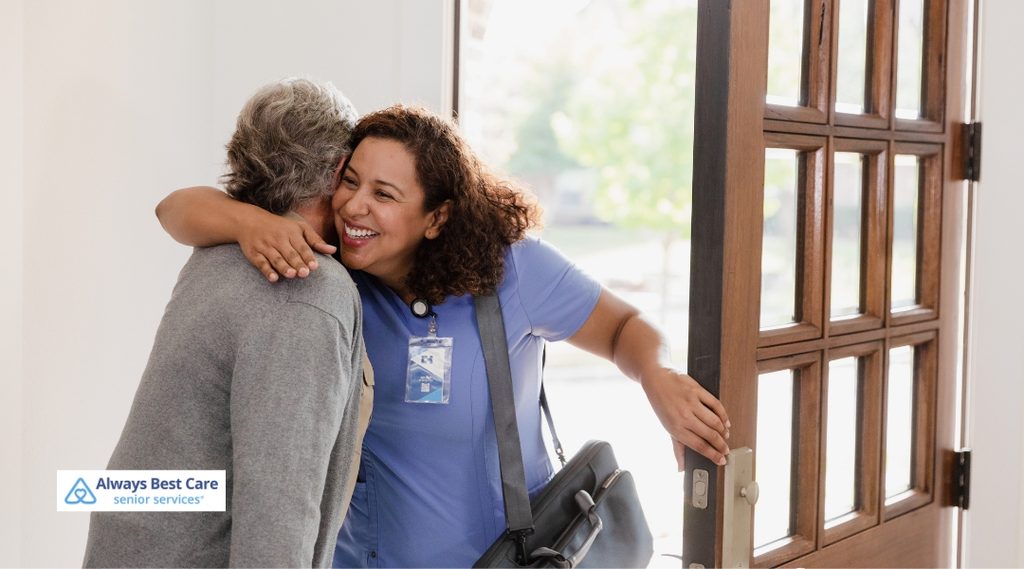
Our caregivers can provide companionship and practical help, such as a ride to a social event, company on an outing, assistance with a favorite hobby, or a conversation over coffee. We respect each person’s interests and abilities. Regular companionship can give seniors a familiar, enjoyable part of the week to anticipate.
Frequently Asked Questions
A: What can we plan if an older adult doesn’t want to go out?
Q: Home-based activities can still give the week a pleasant focus, such as a phone call, baking, a favorite show, or time with a hobby. Ask what your loved one enjoys and keep the plan comfortable for them.
A: How can someone find purpose after leaving work?
Q: Consider interests that offer structure or a way to contribute, such as volunteering, mentoring, gardening, learning, or family traditions. The activity can be small if it feels worthwhile to the person.
A: What should we do if a hobby becomes difficult?
Q: Try adapting it if changes in vision, arthritis, or energy make the usual version frustrating. A simpler version may help your loved one continue enjoying the activity.
A: How often should we schedule social activities?
Q: There’s no single right amount. Ask your loved one what feels manageable and keep room in the week for rest and quiet.
A Little Anticipation, a Lot of Meaning
A good reason to look forward can be as simple as a familiar visit or a hobby that still brings joy. In Greater Nashville, families can help older adults support senior mental health by keeping relationships strong, making space for purpose, and choosing plans together.
If your loved one could use companionship and help staying connected, call Always Best Care of Greater Nashville at (615) 678-0293 to discuss a care consultation.
Link to the Markdown File version of the article