

Why Seniors Don’t Always Feel Thirsty: Understanding the Importance of Staying Hydrated in Nashville

Thirst doesn’t always keep up with age, and that can catch families off guard. For many older adults, the body’s natural reminder to drink water becomes less reliable over time. A senior may go through much of the day without feeling particularly thirsty, even when their body is already starting to run low on fluids.
That can make dehydration easy to miss. What may begin as a little tiredness, dry mouth, or dizziness can quickly affect comfort, energy, balance, and clear thinking. With a few steady routines, hydrating food choices, and caring support from family or caregivers, seniors can stay more comfortable and better prepared for each day.
What You Will Learn
- Why older adults may not always feel thirsty, even when they need more fluids.
- The common warning signs of dehydration that families should notice early.
- Simple, everyday ways to make hydration a comfortable part of a senior’s routine.
- How caring family members and caregivers can help seniors stay healthy, supported, and independent at home.
Table of Contents
Why Seniors Don’t Always Feel Thirsty
As the body gets older, the built-in thirst alarm can get a bit fuzzy. Seniors may not notice they need fluids until they’re already running low, which is why waiting for thirst isn’t always the best game plan.
The brain may not signal thirst as quickly as it once did. Kidney function can slow, making it harder for the body to manage fluids. Some medicines, like water pills, can affect fluid balance, while chronic health issues may create additional challenges. Moving around may make it harder to grab a drink, and some seniors may drink less to avoid extra bathroom trips.
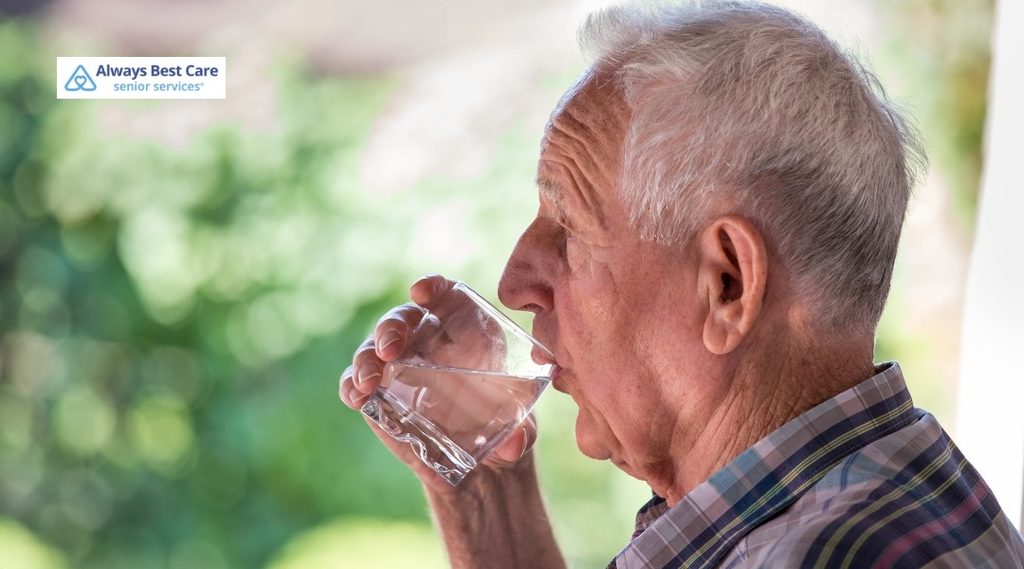
Why Hydration Matters So Much
Water helps the body do its daily work without grumbling. It supports digestion, temperature control, blood pressure, and clear thinking, which means even a short stretch without enough fluids can throw things off.
At Always Best Care of Nashville, TN, we often see how a simple habit like sipping water regularly can make a real difference in comfort and energy.
Signs of Dehydration Families Should Notice
Dehydration can sneak up slowly, so it pays to keep an eye out for changes. A dry mouth one day or a little confusion the next may not sound dramatic, but together they can point to trouble.
Dry lips or mouth can be an early sign that a senior needs more fluids. Dark urine or fewer bathroom trips may also indicate dehydration. Dry skin, weakness, dizziness, low energy, less interest in food, confusion, and forgetfulness are other changes that families should notice.
If these signs appear quickly or worsen, contact a healthcare provider.

Easy Ways to Build Better Hydration Habits
A good routine can take the guesswork out of drinking enough. Instead of waiting for thirst to show up, seniors can sip throughout the day and make hydration part of everyday life.
Drinking a glass of water with meals can make fluids part of a familiar routine. Keeping a water bottle within reach makes it easier to sip throughout the day. Setting a reminder on a phone or clock can offer a gentle nudge, while choosing drinks before heading outside can help seniors stay ahead of their needs. Taking small sips often can also be more comfortable and manageable than chugging a lot at once.
Food Can Help Too
Water isn’t the only source of fluids, and that’s good news for picky eaters or seniors who don’t love drinking plain water all day long. Plenty of foods add extra hydration without much fuss.
Watermelon, cucumbers, strawberries, oranges, and lettuce can all add fluids to meals and snacks. Broth-based soups, yogurt, herbal tea, and low-fat milk can also help support daily hydration.

How Caregivers Can Lend a Hand
A little support goes a long way, especially for seniors living alone or managing health concerns. Caregivers and family members can help make hydration feel easy instead of like a chore.
Offering drinks throughout the day can support a steadier fluid intake. Serving meals with hydrating foods gives seniors another enjoyable way to get fluids. Watching for early warning signs, encouraging fluids during hot weather, keeping hydration supplies nearby, and noticing changes early can all make a meaningful difference.
At Always Best Care of Nashville, TN, we use these everyday habits to help us support comfort, routine, and peace of mind at home.
Frequently Asked Questions
Q: Why don’t seniors feel thirsty as often?
A: The body’s thirst signals can become less reliable with age, so seniors may not feel thirsty even when they need fluids.
Q: What is the easiest way for seniors to stay hydrated?
A: Sipping water often throughout the day and pairing drinks with meals is one of the simplest ways.
Q: Can food really help with hydration?
A: Yes. Foods with lots of water, like fruit, soups, and yogurt, can add to daily fluid intake.
Q: What should families do if they suspect dehydration?
A: If signs like confusion, dizziness, or very dark urine appear, contact a healthcare provider promptly.

Small Sips, Happier Days
Thirst may fade with age, but the need for fluids doesn’t. With steady habits, hydrating foods, and caring support, seniors can stay more comfortable, more alert, and better prepared for each day.
If your loved one could use extra help with daily routines, nourishing meals, and healthy hydration at home, reach out to Always Best Care of Nashville at (615) 752-2097 today. Our compassionate caregivers are here to support your family and help your loved one remain comfortable and independent at home.
Link to the Markdown File version of the article