Speech Therapy at Home: How It Supports Seniors With Stroke or Neurological Conditions
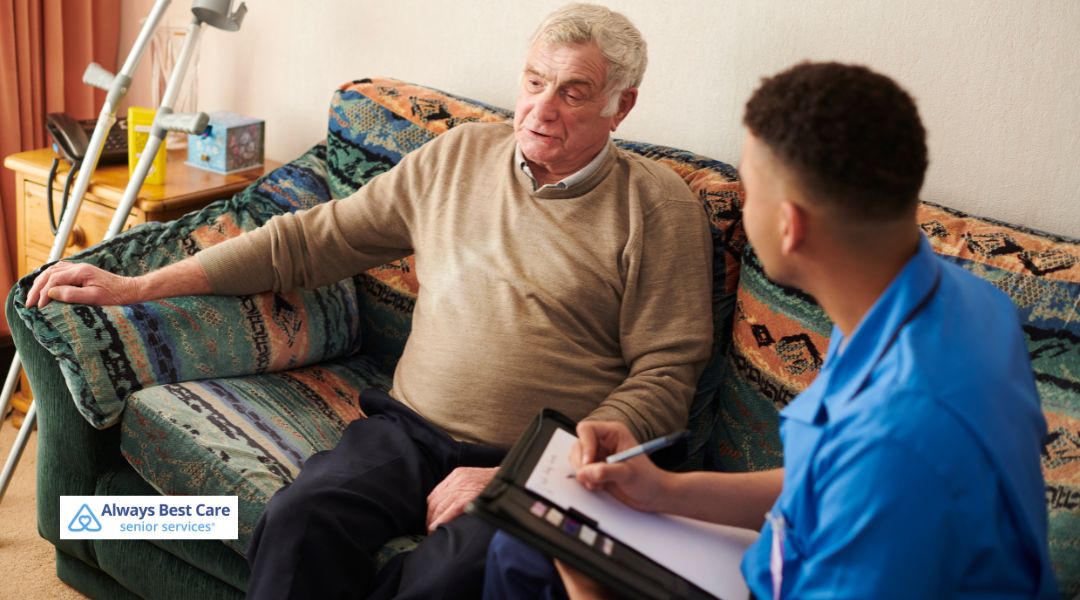
A stroke or neurological condition can change how a person speaks, thinks, and connects with others, sometimes overnight. Conversations that once felt effortless may suddenly require patience, guesswork, or even silence. That shift can be frustrating not just for seniors, but for everyone around them.
That’s where *Speech Therapy at Home: How It Supports Seniors With Stroke or Neurological Conditions* makes a real difference. By bringing therapy into a familiar environment, seniors at Always Best Care of Nashville can rebuild skills in a way that feels natural, supportive, and, believe it or not, encouraging.
What you will learn:
- How Speech Therapy at Home supports seniors recovering from stroke or neurological conditions.
- The key communication, cognitive, and swallowing challenges therapy can help improve.
- What to expect from in-home speech therapy sessions and how progress is guided.
- Simple ways caregivers and families can support success and boost confidence at home.
Table of Contents
Understanding Speech Therapy at Home
Speech therapy isn’t just about speaking clearly. It addresses a wide range of challenges tied to communication, cognition, and swallowing. After a stroke or with conditions like Parkinson’s disease or dementia, the brain and muscles involved in these functions may not work the same way they used to.
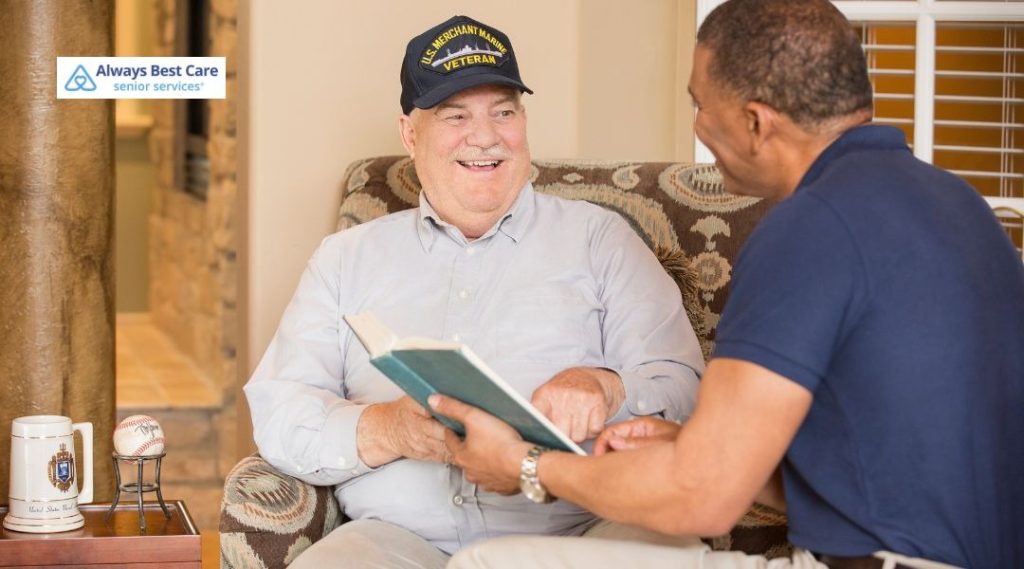
In a home setting, therapy becomes more than scheduled exercises. It blends into everyday life. A therapist might practice word recall during a casual chat or work on swallowing techniques during mealtime. That kind of real-world application helps skills stick and grow.
How Stroke and Neurological Conditions Affect Communication
The effects of a stroke or neurological disorder can vary widely, but communication is often one of the first areas impacted. Some seniors struggle to form words, while others may understand less of what’s being said. In some cases, both are affected.
Beyond speech, there may also be cognitive challenges, such as memory loss or difficulty focusing. Swallowing issues can also develop, making eating and drinking risky without proper guidance.
These changes can feel overwhelming at first. But with the right support, many seniors regain meaningful abilities over time.
Why In-Home Therapy Makes a Difference
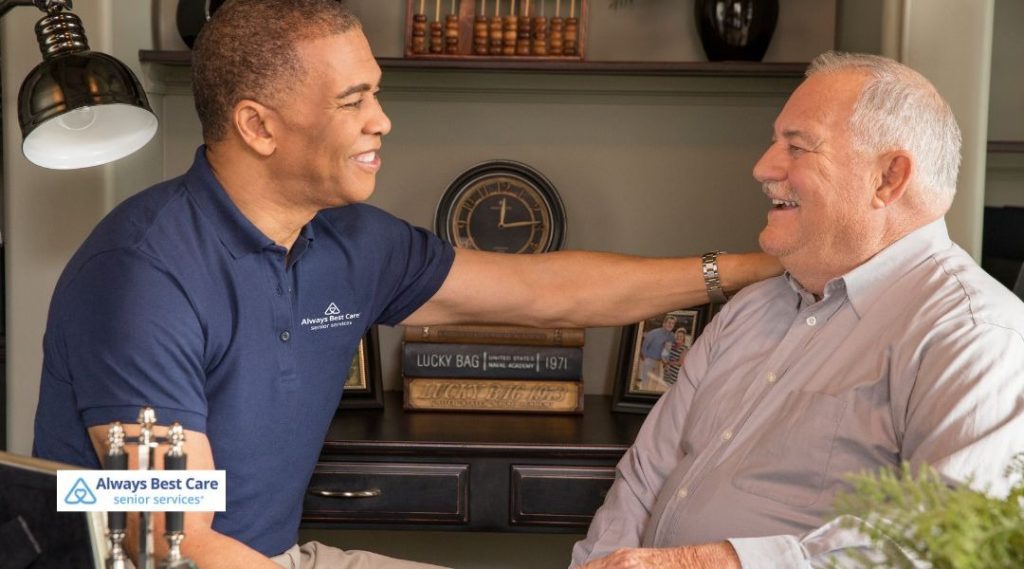
There’s something powerful about being in a familiar space. At home, seniors are typically more relaxed, which can make them more open to practicing and participating.
In-home therapy also allows sessions to reflect real-life situations. Instead of rehearsing generic phrases, seniors practice the conversations they actually have, whether that’s talking with family, answering the phone, or ordering a meal.
Another big plus? Family involvement. Loved ones can see techniques firsthand and help reinforce them throughout the day, turning small moments into opportunities for progress.
What Speech Therapy Helps Improve
Speech therapy supports several key areas, all of which contribute to a senior’s independence and quality of life.
Communication skills often improve first, including pronunciation, sentence structure, and language comprehension. Alongside that, therapists work on cognitive abilities such as memory, attention, and problem-solving.
Swallowing is another critical focus. With proper techniques and exercises, seniors can eat more safely and comfortably, reducing the risk of choking or aspiration.
Taken together, these improvements help seniors feel more confident in daily life.

What to Expect During Sessions
No two therapy sessions are exactly alike, and that’s by design. Each plan is tailored to the individual’s needs, abilities, and goals.
A therapist will usually begin with an assessment, then build a structured plan that evolves over time. Some sessions may focus on specific exercises, while others feel more conversational and relaxed.
Progress is tracked consistently, with adjustments made as needed. It’s not always a straight line, but steady improvement is the goal.
The Caregiver’s Role in the Process
Caregivers play a huge role in reinforcing what happens during therapy sessions. Even small efforts, like giving a senior extra time to respond or encouraging them to practice, can have a lasting impact.
Creating a calm, supportive environment helps too. Reducing distractions, maintaining routines, and celebrating small wins all contribute to better outcomes.
It’s a team effort, and when everyone’s involved, progress tends to follow.

Signs It May Be Time for Speech Therapy
Sometimes the need for speech therapy is obvious. Other times, it shows up in subtle ways.
A senior might struggle to find the right words, repeat themselves often, or have trouble following conversations. Changes in voice quality or difficulty swallowing are also important signs to watch for.
Addressing these early can make the road to improvement much smoother.
Frequently Asked Questions
Q: What is Speech Therapy at Home: How It Supports Seniors With Stroke or Neurological Conditions?
A: It refers to professional speech therapy services delivered in a senior’s home to improve communication, cognitive function, and swallowing abilities after a stroke or due to neurological conditions.
Q: How often should seniors receive speech therapy at home?
A: Frequency depends on the individual’s needs. Many benefit from sessions two to three times per week, with practice in between.
Q: Can speech therapy help with swallowing problems?
A: Yes. Speech therapists are trained to address dysphagia, helping seniors eat and drink more safely.
Q: How long does it take to see improvement?
A: Progress varies. Some seniors show improvement within weeks, while others may need ongoing therapy over several months.
Q: Do caregivers need special training?
A: Not formal training, but guidance from a speech therapist helps caregivers support exercises and communication strategies effectively.
Rebuilding Confidence Through Every Conversation
Rebuilding communication after a stroke or neurological condition takes time, patience, and the right kind of support. *Speech Therapy at Home: How It Supports Seniors With Stroke or Neurological Conditions* offers a practical, compassionate approach that meets seniors where they are, literally and figuratively.
And while progress may come in small steps, those steps can lead to something powerful: renewed confidence, stronger connections, and a voice that feels like their own again. If your loved one could benefit from support like this, reach out to Always Best Care of Nashville today, at (615) 678-0293, to learn how we can help bring care home.
Link to the Markdown File version of the article