
Aging in Place with a Chronic Illness: How In-Home Care Promotes Independence in Guilford

Home is more than four walls. For most seniors, it represents decades of memories, cherished routines, and a deep sense of belonging. A chronic illness diagnosis can shake that foundation, but it does not have to uproot it.
Conditions like heart disease, diabetes, COPD, Parkinson’s, and arthritis affect millions of older adults. Yet many continue to live safely and comfortably at home with the right support in place. In-home care bridges the gap between managing a health condition and maintaining the life a senior has built.
What You Will Learn
- How personalized in-home care helps Guilford seniors manage chronic illnesses while remaining independent at home.
- The practical daily support that can make routines safer, smoother, and more manageable.
- How consistency and early awareness of health changes can help families respond with confidence.
- Why compassionate companionship and flexible care plans bring comfort to seniors and peace of mind to families.
Table of Contents
When Chronic Illness Makes Daily Life Harder
Living with a chronic condition is rarely straightforward. It is not a single challenge but a layered set of demands that shift over time, and that is what makes it so difficult to manage alone.
Seniors often face:
- Juggling multiple medications and follow-up appointments
- Chronic pain or reduced mobility that limits daily activity
- Fatigue that turns simple tasks into exhausting ones
- A higher risk of falls, especially in homes not designed for aging
- Transportation barriers that make medical visits difficult
- Social withdrawal and feelings of isolation
These challenges compound each other. When fatigue sets in, medication routines slip. When mobility decreases, social connection fades. In-home care addresses these issues together rather than in isolation.
A Personalized Approach to Independence
One of the most important distinctions of in-home care is what it is not it is not about taking over. It is about filling the gaps.
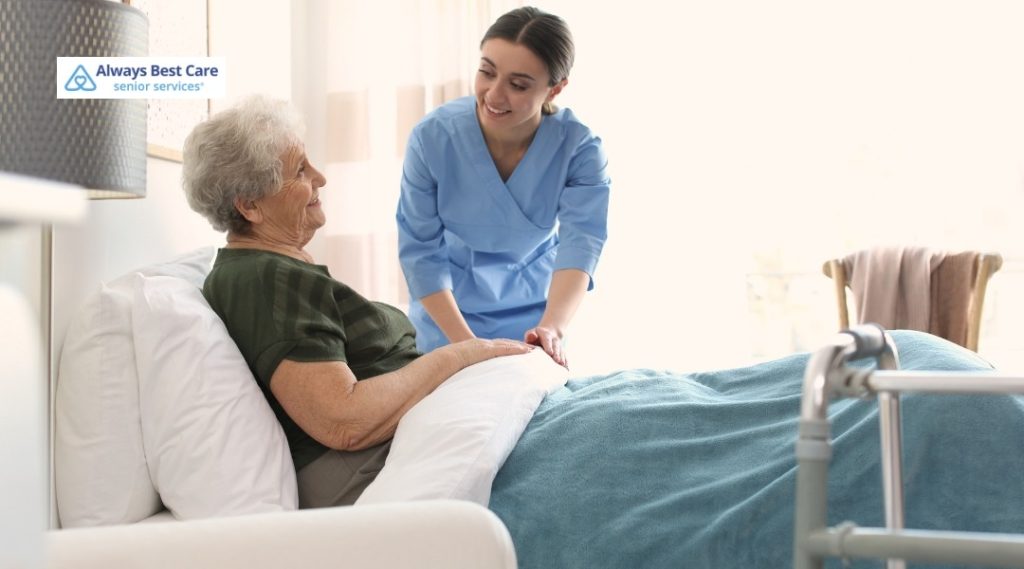
Caregivers work alongside seniors, encouraging them to do what they can independently while providing hands-on help where it is genuinely needed. This approach preserves dignity and builds confidence, which matters enormously for seniors adjusting to new health realities.
Care plans are tailored to each individual. A senior managing early-stage Parkinson’s has different needs than one recovering from a stroke or living with advanced diabetes. In-home care adapts accordingly.
Practical Support That Makes a Real Difference in Guilford
Day-to-day tasks that once felt effortless can become significant obstacles for someone living with a chronic illness. In-home caregivers provide consistent, reliable help so seniors can direct their energy toward what matters most — their health and quality of life.
Support typically includes:
- Personal care such as bathing, grooming, and dressing
- Meal planning and preparation aligned with dietary needs
- Light housekeeping and laundry
- Grocery shopping and running errands
- Transportation to medical appointments and therapy sessions
- Medication reminders to keep treatment plans on track
This kind of practical, day-to-day support reduces stress for both seniors and their families.

Consistency Is the Cornerstone of Chronic Illness Management
Managing a chronic illness is not about dramatic interventions; it is about showing up every day. Missed medications, skipped meals, or a lapse in hydration can quietly escalate into a serious health event.
In-home caregivers help seniors maintain the routines that keep them stable:
- Adhering to prescribed medication schedules
- Eating nutritious, condition-appropriate meals
- Staying properly hydrated throughout the day
- Engaging in physician-approved physical activity
- Attending follow-up appointments without disruption
These may seem like small things. Over time, they are the difference between managed health and preventable decline.
Catching Warning Signs Before They Become Emergencies
Frequent hospital readmissions are one of the most significant risks for seniors with chronic conditions. Often, the warning signs appear days before a crisis, but only if someone is paying close attention.
In-home caregivers spend meaningful time with seniors and are well-positioned to notice subtle changes that family members or occasional visitors might miss.
Early warning signs caregivers watch for include:
- Decreased appetite or sudden weight changes
- Unusual fatigue or low energy
- Difficulty walking or increased unsteadiness
- Shortness of breath or labored breathing
- Swelling in the legs or feet
- Confusion, disorientation, or behavioral changes
When these signs are caught early and communicated to healthcare providers, families can intervene before a manageable issue becomes a medical emergency.

The Emotional Side of Chronic Illness
Physical symptoms are visible. Emotional ones often are not — but they are just as real.
Many seniors living with chronic illness experience grief over lost abilities, anxiety about the future, and a creeping sense of isolation. These feelings, left unaddressed, can worsen physical health outcomes and accelerate decline.
In-home caregivers offer more than task completion. They offer companionship — someone to share a meal with, take a walk alongside, or simply sit with during a difficult day. That human connection is not a bonus feature of in-home care. It is a core part of what makes it effective.
For families, having a trusted professional present also provides genuine peace of mind.
How Always Best Care of Guilford Supports Seniors Living with Chronic Illness
At Always Best Care of Guilford, we understand that no two seniors are alike. We work closely with families to develop individualized care plans that reflect each person’s health needs, personal preferences, and long-term goals.
Whether your loved one is managing diabetes, living with COPD, recovering from a stroke, or navigating multiple conditions at once, our caregivers provide compassionate, consistent support — helping seniors remain safe, comfortable, and in control of their lives at home.

Frequently Asked Questions
Q: Can a senior with a serious chronic illness really stay safely at home?
A: Yes, in many cases. The key is having the right level of support in place. In-home care is designed to adapt to a senior’s specific condition and needs, making it possible for many older adults to remain at home safely — even with complex health challenges.
Q: How is in-home care different from a nursing home or assisted living?
A: In-home care allows seniors to remain in their own homes while receiving personalized, one-on-one support. Nursing homes and assisted living facilities offer a shared environment with standardized care. In-home care is built around the individual, not the institution.
Q: What if my loved one’s condition changes over time?
A: In-home care is flexible by design. As a senior’s needs evolve, the care plan can be adjusted, increasing support during difficult periods or scaling back when things stabilize. Regular check-ins with the care team help ensure the plan stays current.
Q: How do caregivers coordinate with doctors and other healthcare providers?
A: Caregivers are not medical professionals, but they play an important role in the care team. They observe and report changes in a senior’s condition, help ensure appointments are kept, and support adherence to treatment plans, all of which keeps healthcare providers better informed.
Q: How do I know if in-home care is the right choice for my family?
A: If your loved one is struggling to manage daily tasks, missing medications, feeling isolated, or has recently been hospitalized, in-home care is worth exploring. A free consultation with Always Best Care of Guilford is a good first step toward understanding your options.
The Right Support Helps Home Stay Home
From medication reminders and meal preparation to transportation and companionship, we are here for the full picture.
A chronic illness changes how a senior lives. With the right care, it does not have to change where they live.
Contact Always Best Care of Guilford at (203) 998-0704 to schedule a free care consultation and learn how we can help your loved one thrive at home.
Link to the Markdown File version of the article