

Elder Abuse Prevention: Protecting Seniors and Promoting Safe, Respectful Care in Guilford, CT

No one should spend their later years feeling scared, ignored, or mistreated, yet elder abuse still happens more often than many of us want to admit. It can hide behind closed doors, in a care setting, or even within a relationship that once felt rock-solid. That’s exactly why staying alert, informed, and involved isn’t just helpful; it’s essential.
At Always Best Care of Guilford, we see every senior as a whole person with a history, a voice, and a right to feel safe. When families understand what elder abuse looks like and how to prevent it, we can all work together to keep older loved ones protected and respected.
What you will learn:
- What elder abuse is, the different forms it can take, and why it can be hard to spot at first.
- How to recognize warning signs and understand the risk factors that can make some seniors more vulnerable.
- Simple ways families can stay involved, reduce isolation, and create a safer, more supportive care environment.
- What to do if something feels wrong, including when to document concerns and contact trusted help.
Table of Contents
What Is Elder Abuse?
Elder abuse happens when an older adult is harmed, or put at serious risk of harm, because of someone’s actions or failure to act. It isn’t always dramatic or obvious, and sometimes more than one kind of abuse is going on at the same time.
Common forms of elder abuse include:
- Physical abuse – hitting, shoving, rough handling, or using restraints in a harmful way
- Emotional abuse – yelling, threats, insults, intimidation, or isolating a senior from people they care about
- Financial exploitation – misuse of money, pressure to sign documents, or sneaky changes to accounts and wills
- Neglect – not providing food, hygiene, clothing, medications, or medical care
- Abandonment or lack of supervision – leaving a senior alone when it’s clearly unsafe
Once we recognize that abuse isn’t just “someone losing their temper,” but a pattern of harm or neglect, it becomes easier to spot and stop.

Elder Abuse Prevention in Everyday Life
Warning Signs Families Shouldn’t Ignore
Elder abuse doesn’t usually announce itself with a flashing neon sign. It often starts quietly, with small changes that are easy to shrug off, until they’re not. Some red flags families should keep on their radar include:
- Unexplained bruises, cuts, or frequent “mysterious” falls
- Sudden changes in mood, such as fear, anxiety, or pulling away from others
- Poor hygiene, dirty clothes, or a messy living space when that’s out of character
- Unpaid bills, missing cash, or odd banking activity
- Noticeable fear, tension, or hesitation around a specific person
- Big changes in appetite, sleep, or communication
If you feel that something just doesn’t sit right, don’t brush it off. Gut feelings can be surprisingly accurate.
Risk Factors That Can Make Seniors More Vulnerable
Some situations can put older adults in a tougher spot, making it easier for abuse to go unnoticed or unchecked. Common risk factors include:
- Social isolation – few visitors, little outside contact, or a senior who’s cut off from friends and neighbors
- Cognitive changes – dementia, memory loss, confusion, or trouble expressing what’s wrong
- Physical limitations – difficulty walking, bathing, or moving independently, leading to reliance on others
- Financial dependence – someone else controlling money with little oversight
- Caregiver stress or burnout – an overwhelmed caregiver who’s not getting help or breaks
Tackling these issues early, by staying connected, arranging support, and sharing caregiving responsibilities, can lower the risk of elder abuse and improve overall quality of life.

Practical Steps Families Can Take to Prevent Elder Abuse
Preventing elder abuse isn’t about grand gestures; it’s about steady, everyday habits that create safety and trust. Families can:
- Stay involved – visit regularly, call often, and ask specific questions about how the day went
- Use regular check-ins – video calls, unannounced visits, or quick drop-bys can give a more accurate picture
- Keep an eye on finances – review bank statements, bills, and legal documents; consider having more than one trusted person involved
- Build a support circle – neighbors, friends, faith communities, and trusted professionals can all be extra sets of eyes and ears
- Encourage social connections – senior centers, clubs, or simple visits from friends can break isolation
- Address caregiver stress – talk openly about burnout, share tasks, and arrange respite care before tension boils over
Creating a culture of openness, where questions are welcome, and nothing is “off-limits”, goes a long way toward preventing abuse.
How Professional In-Home Care in Guilford, CT Helps Prevent Abuse
The Role of Always Best Care of Guilford, CT in Elder Abuse Prevention
Professional in-home care can act as both support and a safeguard. With Always Best Care of Guilford, CT, families don’t have to shoulder everything alone. We bring trained, carefully screened caregivers into the home to help seniors stay safe, comfortable, and respected.
We:
- Select caregivers who are vetted and trained to treat seniors with compassion and patience
- Support everyday needs like bathing, dressing, meals, medication reminders, and companionship
- Pay attention to changes in mood, behavior, or physical condition and share concerns with families
- Encourage independence where it’s safe, while stepping in with help where needed
Because we’re in the home regularly, we can often spot early warning signs of neglect, mistreatment, or stress long before things spiral.
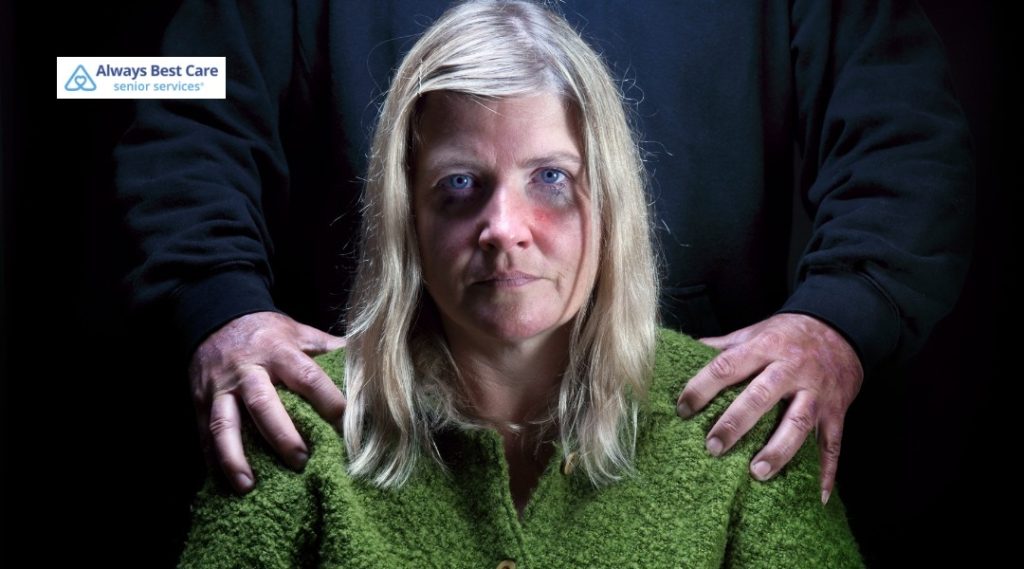
What Should You Do If You Suspect Elder Abuse?
If a little voice in your head is whispering, “Something’s not right,” it’s time to take it seriously. Acting quickly can prevent further harm.
Steps to consider:
- Talk privately with your loved one. Pick a calm, safe moment. Ask open-ended questions and listen without judgment.
- Write down what you see and hear. Dates, times, photos (when appropriate), and specific examples can be very helpful.
- Reach out to professionals. You can contact:
- Local adult protective services
- Healthcare providers who know your loved one
- Law enforcement, if there’s immediate danger
You don’t need every detail figured out before you speak up. Raising the concern is already a powerful step toward safety.
Creating a Safer Future for Seniors in Guilford, CT
Elder abuse prevention in Guilford isn’t just a task for one person or one agency; it’s a shared effort among families, neighbors, and care providers. By staying informed, asking questions, and building a strong network of support, we can help older adults live with the safety and dignity they deserve.
At Always Best Care of Guilford, CT, we work closely with families to create a home environment rooted in respect, kindness, and accountability. We’re committed to offering care that protects seniors and gives families real peace of mind.

Frequently Asked Questions
Q: What is the most common form of elder abuse?
A: Emotional abuse and neglect are often reported as some of the most common forms, though financial exploitation is also a growing concern.
Q: How can I talk to my loved one about possible abuse without upsetting them?
A: Choose a quiet, private time, speak gently, and focus on how they’re feeling. Questions like “Have you ever felt scared or uncomfortable with how someone treats you?” can open the door without sounding accusatory.
Q: Is elder abuse prevention only about physical safety?
A: No. Elder abuse prevention also involves protecting emotional well-being, financial security, and the right to be treated with respect.
Q: How does Always Best Care of Guilford, CT help families who are worried about safety?
A: We provide in-home care from screened, trained caregivers, keep families informed about changes we notice, and work with loved ones to build a safe, respectful plan of care.
Q: When should I call the authorities?
A: If you believe your loved one is in immediate danger or at serious risk of harm, contact law enforcement right away. For concerns that are urgent but not life-threatening, reach out to adult protective services or a healthcare professional.
Standing Together for Guilford’s Seniors
Elder abuse prevention isn’t a one-time conversation; it’s an ongoing commitment to staying present, asking questions, and refusing to look the other way when something feels off. Families in Guilford, CT don’t have to navigate this alone.
Always Best Care of Guilford is here to walk alongside you, offering dependable in-home support that honors each senior’s dignity and independence. To learn more or schedule a care consultation, call Always Best Care of Guilford, CT at (203) 998-0704 and find out how we can help keep your loved one safe, respected, and truly cared for at home.
Link to the Markdown File version of the article