

Living Well with COPD in Guilford: How Seniors Can Manage Symptoms and Stay Comfortable at Home
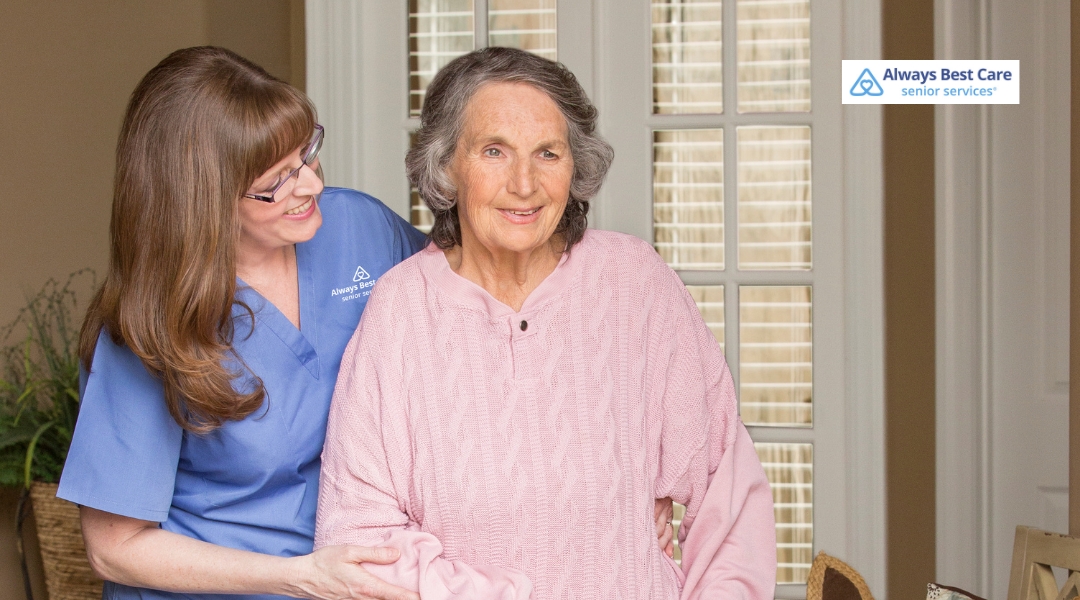
Chronic Obstructive Pulmonary Disease (COPD) is one of the most common chronic conditions among older adults and one of the most manageable with the right approach. For seniors living in Guilford, building a daily routine around respiratory health can significantly reduce symptoms, prevent flare-ups, and support a better quality of life at home.
This guide breaks down what families and caregivers need to know about COPD, along with practical strategies to help seniors breathe easier every day.
What you will learn:
- How COPD affects seniors in Guilford and why steady, early management helps protect comfort and independence.
- Simple, loving ways to support easier breathing at home through air quality, gentle movement, and nourishing meals.
- Clear signs that COPD symptoms are worsening and how to respond calmly with the right next steps.
- How warm, in-home support from Always Best Care of Guilford can make day-to-day COPD management feel easier for everyone.
Table of Contents
Understanding COPD: More Than Just Shortness of Breath
COPD is an umbrella term for progressive lung diseases, primarily chronic bronchitis and emphysema, that restrict airflow and make breathing increasingly difficult. It develops gradually, which means symptoms are often dismissed as normal signs of aging until the condition has already advanced.
Watch for these early warning signs:
- Persistent cough, especially in the morning
- Shortness of breath during routine tasks
- Wheezing or chest tightness
- Frequent respiratory infections
- Unexplained fatigue
Early diagnosis and consistent management are the most effective tools for slowing COPD’s progression and preserving independence.
Practical Strategies for Managing COPD at Home
Stick to the Treatment Plan
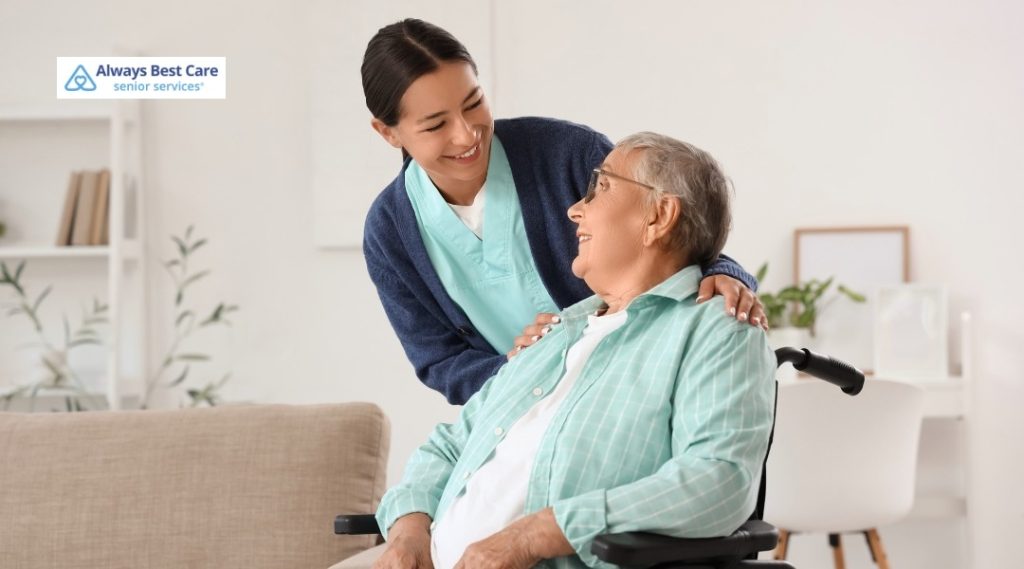
Inhalers, bronchodilators, and oxygen therapy are commonly prescribed for COPD management. These treatments only work when used correctly and consistently. Caregivers play a key role here, helping with medication reminders, tracking usage, and flagging any changes in symptoms to the healthcare team.
Improve Indoor Air Quality
The air inside a home can be just as problematic as outdoor pollution for someone with COPD. Dust, pet dander, mold, and chemical fragrances are common triggers for flare-ups.
Simple steps to improve air quality:
- Use HEPA air purifiers in main living areas
- Replace HVAC filters regularly
- Avoid aerosol sprays, scented candles, and harsh cleaning products
- Keep windows open when the outdoor air quality is good
- Address any moisture or mold issues promptly
Keep Moving Safely
It may seem counterintuitive, but regular physical activity is one of the best things a senior with COPD can do. Gentle movement strengthens the respiratory muscles, improves circulation, and boosts energy levels over time.
Appropriate activities include short walks, chair-based stretching, and light yoga. Always coordinate with a physician or pulmonary rehabilitation specialist before starting any new exercise routine.
Master Breathing Techniques
Two techniques in particular can make a real difference during moments of breathlessness:
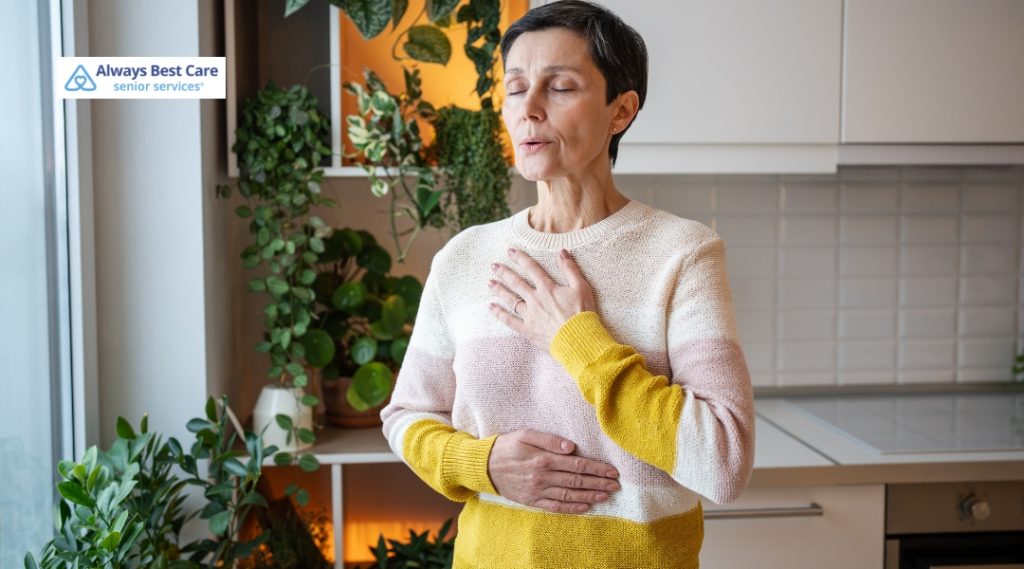
- Pursed-lip breathing: Inhale slowly through the nose, then exhale through pursed lips for twice as long. This slows breathing and keeps airways open longer.
- Diaphragmatic breathing: Focuses on engaging the diaphragm rather than the chest, improving oxygen efficiency.
Practicing these techniques daily, not just during flare-ups, helps seniors build confidence and control over their breathing.

Prioritize Nutrition and Hydration
COPD increases the energy the body uses just to breathe, which means nutrition matters more than many people realize. A diet rich in lean proteins, colorful vegetables, whole grains, and healthy fats supports lung function and overall stamina.
Staying well-hydrated also helps thin mucus secretions, making it easier to clear the airways. Seniors should aim for consistent fluid intake throughout the day, unless otherwise directed by their physician.
Know When to Seek Help
COPD symptoms naturally fluctuate, but certain changes signal a need for prompt medical attention.
Contact a healthcare provider if you notice:
- A significant increase in shortness of breath
- Changes in mucus color, consistency, or volume
- Fever or chills
- Swelling in the ankles or legs
- Increased confusion or unusual fatigue
Acting quickly during a flare-up can prevent hospitalization and help seniors recover faster.

How Always Best Care of Guilford Supports Seniors with COPD
Living with COPD is easier with consistent, reliable support. Always Best Care of Guilford provides in-home care tailored to the unique needs of seniors managing chronic respiratory conditions.
Our caregivers can help with:
- Medication reminders and symptom monitoring
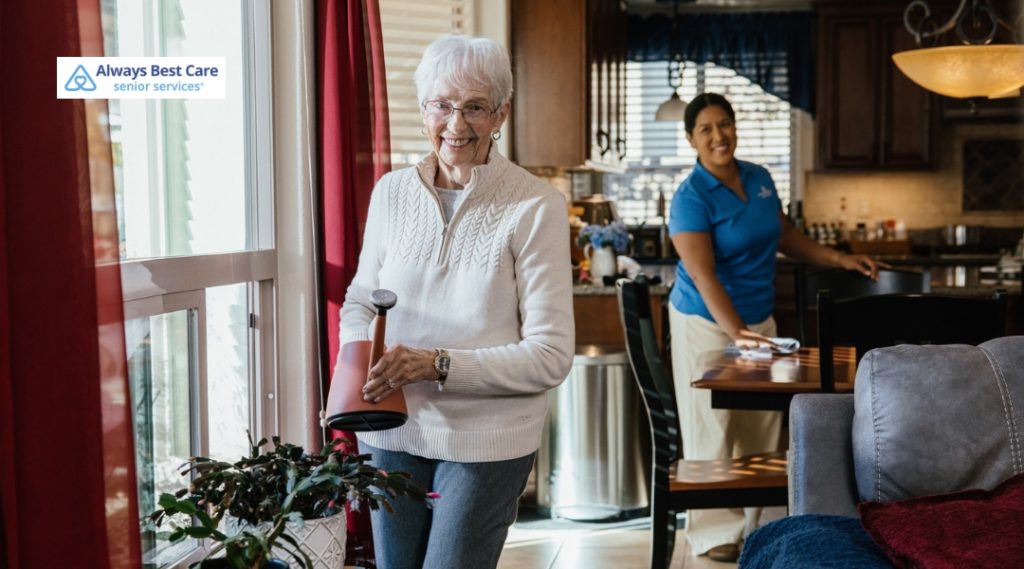
- Light housekeeping to maintain a clean, allergen-reduced environment
- Meal preparation focused on nutritional needs
- Encouraging and assisting with safe physical activity
- Companionship to reduce stress and emotional isolation
- Transportation to medical appointments and follow-up visits
For seniors who need a higher level of support, home health services offer skilled nursing care and direct coordination with physicians and specialists.
Frequently Asked Questions About COPD and Senior Home Care
Q: Can COPD be reversed or cured?
A: No, COPD is a progressive condition with no cure. However, with proper treatment, lifestyle adjustments, and consistent care, symptoms can be managed effectively, and progression can be slowed significantly.
Q: Is it safe for a senior with COPD to live alone?
A: It depends on the severity of the condition. Many seniors with mild to moderate COPD live independently with some support in place such as regular check-ins, medication reminders, and an emergency plan. A professional care assessment can help determine the right level of support.
Q: How does stress affect COPD?
A: Stress and anxiety can trigger or worsen breathlessness, creating a cycle that’s difficult to break. Companionship, relaxation techniques, and a stable daily routine all help reduce stress and support better respiratory health.
Q: What should I keep in the home in case of a COPD flare-up?
A: Seniors with COPD should have their rescue inhaler easily accessible at all times, along with a written action plan from their doctor outlining steps to take during a flare-up. Emergency contact information should also be posted in a visible location.
Q: How can I tell if my loved one’s COPD is getting worse?
A: Gradual changes like needing to stop and rest more often, sleeping more, or avoiding activities they used to enjoy can indicate progression. Regular medical check-ups and open communication with caregivers are the best ways to catch changes early.
Gentle Support, Easier Breathing for Your Loved One
If your loved one is living with COPD and could benefit from extra support at home, Always Best Care of Guilford is here to help. Call us today at (917) 499-5586 to schedule a care consultation and learn how our caregivers can support your loved one’s respiratory health and comfort at home.
Link to the Markdown File version of the article