

Stroke Prevention Tips for Seniors in Guilford, CT: Protecting Brain Health Through Healthy Habits
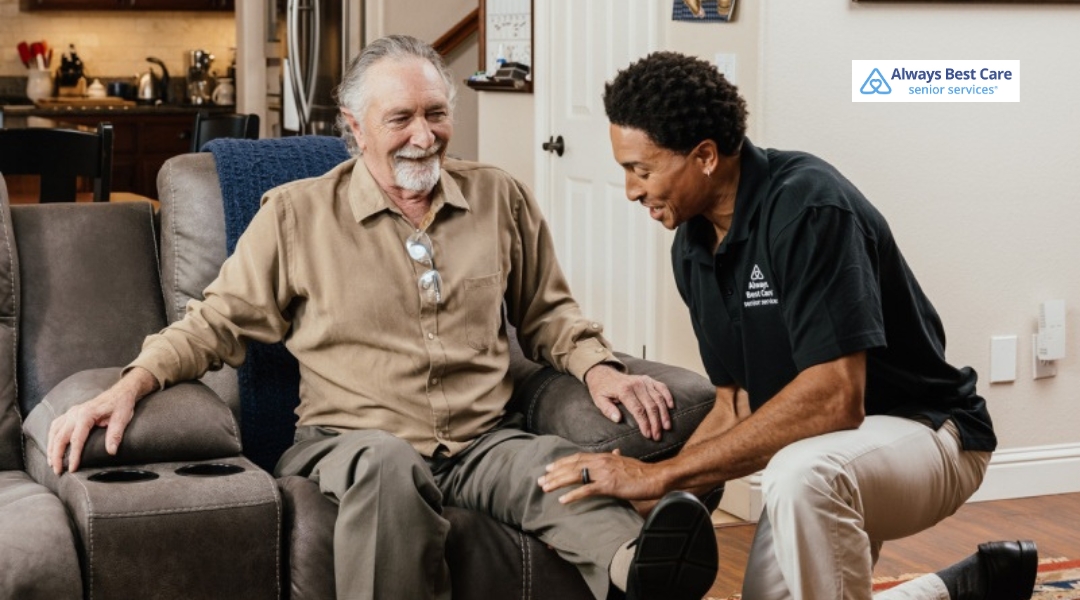
Stroke is one of the leading causes of disability and death among older adults in the United States. For seniors in Guilford, CT, understanding how to reduce stroke risk isn’t just a medical concern; it’s a quality-of-life issue. The good news is that most strokes are preventable. With consistent healthy habits and the right support, older adults can protect their brain health and maintain their independence for years to come.
What you will learn:
- Why stroke risk increases with age, and how conditions like high blood pressure, diabetes, and high cholesterol affect brain health.
- The everyday healthy habits that help protect seniors’ brains and hearts include regular physical activity, nutritious foods, and good control of blood pressure and blood sugar.
- How caring, consistent support from family and caregivers in Guilford, CT makes it easier for seniors to maintain prevention routines and stay independent.
Table of Contents
Why Stroke Risk Rises with Age
The brain relies on a steady supply of oxygen-rich blood. A stroke occurs when that supply is interrupted, either by a blockage (ischemic stroke) or a burst blood vessel (hemorrhagic stroke). As we age, blood vessels naturally become less flexible, and the likelihood of underlying conditions like high blood pressure or diabetes increases.
What makes stroke particularly dangerous is how quickly it strikes. Symptoms can appear without warning, which is why prevention, not just reaction, must be the priority.
Control Blood Pressure Before It Controls You
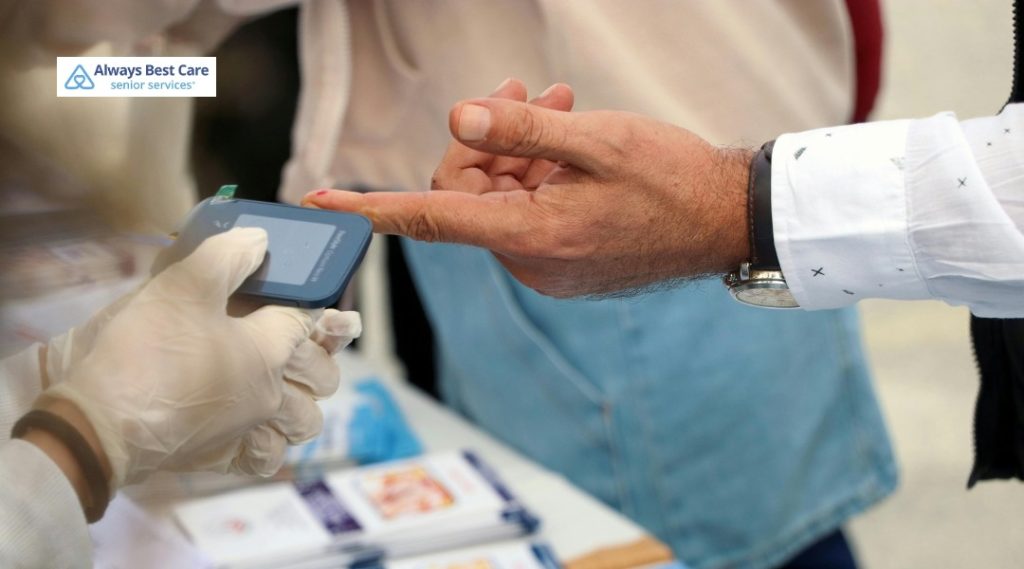
High blood pressure is the single most significant modifiable risk factor for stroke. When arterial pressure remains elevated over time, it quietly damages arterial walls and sets the stage for a blockage or rupture in the brain.
For seniors, keeping blood pressure in a healthy range requires a consistent, multi-layered approach:
- Check blood pressure regularly at home and during medical visits
- Take prescribed medications without skipping doses
- Cut back on sodium, especially in processed and packaged foods
- Maintain a healthy weight through diet and movement
- Limit alcohol consumption
Small, sustained changes in these areas can produce meaningful reductions in blood pressure over time.
Manage Diabetes to Protect Your Blood Vessels
Diabetes and stroke share a direct connection. Chronically elevated blood sugar damages the walls of blood vessels, making them more vulnerable to blockages. Seniors with diabetes face a significantly higher stroke risk than those without it.
Effective diabetes management includes:
- Monitoring blood sugar levels daily
- Following a meal plan that limits refined sugars and simple carbohydrates
- Staying physically active to improve insulin sensitivity
- Taking medications as directed and attending regular endocrinology or primary care appointments
Keeping blood sugar stable doesn’t just reduce stroke risk; it also protects kidney function, vision, and nerve health.

Don’t Ignore Cholesterol
High LDL cholesterol contributes to plaque buildup inside the arteries a condition called atherosclerosis. Over time, this narrowing restricts blood flow to the brain and dramatically increases stroke risk.
Seniors can support healthier cholesterol levels by:
- Prioritizing fiber-rich foods like oats, legumes, and leafy greens
- Replacing saturated fats with heart-healthy options like olive oil, avocado, and fatty fish
- Avoiding trans fats found in many packaged snacks and fried foods
- Following prescribed statin or cholesterol-lowering medication regimens
Annual blood panels help track cholesterol trends and allow physicians to adjust treatment plans as needed.
Move More; Even a Little Goes a Long Way
Regular physical activity is one of the most powerful tools for stroke prevention. Exercise strengthens the heart, improves circulation, helps regulate blood pressure and blood sugar, and supports a healthy weight.
Seniors don’t need to run marathons to benefit. Consistent, low-impact movement is highly effective:
- Daily walks through the neighborhood or a local park
- Chair-based stretching or light yoga
- Swimming or water aerobics
- Tai chi, which also improves balance and reduces fall risk
- Gardening or other moderate outdoor activities
Aim for at least 30 minutes of moderate movement most days of the week. Even breaking that into two or three shorter sessions still delivers real cardiovascular benefits.
Eat to Protect Your Brain
Diet has a direct and measurable impact on stroke risk. A nutrient-dense eating pattern supports healthy blood vessels, reduces inflammation, and helps manage blood pressure and cholesterol simultaneously.
A brain-protective diet for seniors includes:
- A wide variety of colorful fruits and vegetables
- Whole grains over refined carbohydrates
- Lean proteins such as fish, poultry, eggs, and legumes
- Healthy fats from nuts, seeds, and olive oil
- Minimal processed foods, added sugars, and excess sodium
The Mediterranean diet, in particular, has been extensively studied and consistently linked to reduced stroke risk. Staying well-hydrated throughout the day also supports healthy circulation.
The Support Factor: Why It Matters in Guilford, CT
Knowing what to do and consistently doing it are two very different things, especially for seniors managing multiple health conditions or living alone. This is where caregiver support becomes genuinely valuable.
A dedicated caregiver can help seniors:
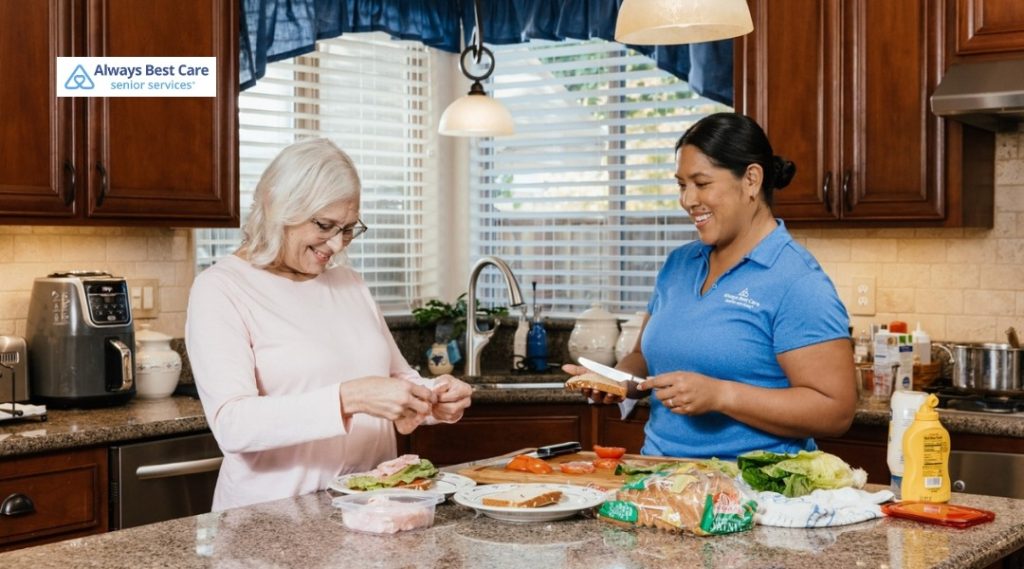
- Plan and prepare nutritious meals that align with dietary guidelines
- Stay on schedule with medications and doctor appointments
- Engage in daily physical activity safely
- Monitor for early warning signs of health changes
- Maintain routines that reduce stress and support overall well-being
For families in Guilford, CT, having a trusted caregiver involved in a loved one’s daily life provides both practical assistance and peace of mind.

Frequently Asked Questions
Q: What are the most common warning signs of a stroke?
A: The acronym FAST is a helpful guide: Face drooping, Arm weakness, Speech difficulty, Time to call 911. Other symptoms may include sudden confusion, vision changes, severe headache, or loss of balance.
Q: At what age does stroke risk increase significantly?
A: Stroke risk increases with age, and the risk roughly doubles every decade after age 55. However, lifestyle factors can either accelerate or significantly reduce that risk at any age.
Q: Can stroke be prevented if there’s a family history of it?
A: A family history of stroke does raise your risk, but it doesn’t make stroke inevitable. Managing controllable risk factors, such as blood pressure, cholesterol, diabetes, diet, and activity level, can substantially offset genetic predisposition.
Q: How does smoking affect stroke risk?
A: Smoking damages blood vessel walls, raises blood pressure, and reduces oxygen in the blood, all of which increase stroke risk. Quitting smoking at any age reduces that risk, often significantly within just a few years.
Q: Is it safe for seniors with heart conditions to exercise?
A: In most cases, yes, but the type and intensity of exercise should be guided by a physician. Low-impact activities like walking, swimming, and chair yoga are generally well-tolerated and highly beneficial for cardiovascular health.
Helping Seniors Stay Healthy and Independent in Guilford, CT
Stroke prevention is not a single action; it’s a daily commitment to healthy living. For seniors in Guilford, CT, that commitment is much easier to maintain with the right support in place.
At Always Best Care of Guilford, our compassionate caregivers help older adults build and sustain the routines that protect their health and independence. From meal preparation and medication reminders to companionship and daily activity support, we’re here to help your loved one thrive.
Call Always Best Care today at (917) 499-5586 to schedule a care consultation and learn how we can help your loved one stay healthy, active, and independent.
Link to the Markdown file version of the article