

Senior Scams: How to Recognize the Warning Signs and Protect Your Loved One in Guilford, CT
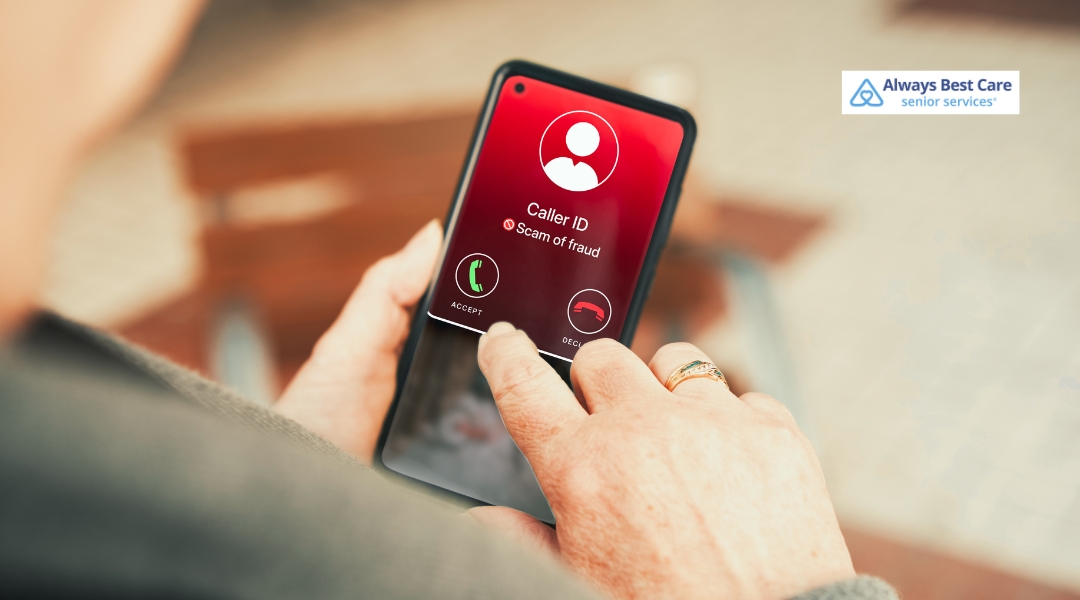
Scams targeting older adults aren’t just annoying; they can be downright devastating. Between clever phone calls, fake emails, and “too good to be true” offers, it’s easy for a trusting senior to get roped in before anyone realizes what’s happening.
In Guilford, CT, many families are juggling a simple but stressful question: how do we keep Mom, Dad, or a beloved neighbor safe from scammers without making them feel controlled or talked down to?
That’s where awareness, steady support, and trusted in-home care come in. At Always Best Care of Guilford, CT, we help families spot the warning signs early and put simple, practical safeguards in place so seniors can stay both safe and independent.
What you will learn:
- Why seniors in Guilford are often targeted by scams and what makes them more vulnerable.
- The most common scam tactics used against older adults and the warning signs to watch for.
- Simple ways families can help protect loved ones while supporting their independence.
- How in-home care can provide extra safety, companionship, and peace of mind.
Table of Contents
Why Seniors Are Often Targeted
Scammers aren’t picking names out of a hat. They know exactly why older adults can be easier to trick. Many seniors:
- Are naturally polite and trusting, so they’re less likely to hang up or say “no” abruptly.
- Have savings, pensions, or a steady income, making them appealing targets.
- Live alone or feel isolated, which may mean they welcome any call or visitor who seems friendly.
- Aren’t as comfortable with technology, making online and phone scams harder to spot.
Mix a trusting nature with high-pressure tactics, and it’s no surprise some seniors get pulled into situations that quickly spin out of control.

Common Senior Scams in Guilford, CT
Scams come in many flavors, but a few patterns recur.
Phone Scams
Scammers might call pretending to be:
- A government agency
- A utility company
- A bank
- A grandchild or relative in trouble
They often use scare tactics or urgency: “Pay now or your account will be frozen,” or “I need money today, or I’ll be arrested.” They may demand payment right away or ask for personal details like Social Security numbers or bank info.
Email and Phishing Scams
Suspicious emails or texts might look like they’re from:
- A bank or credit card company
- A doctor’s office or insurance provider
- A well-known store or delivery service
They usually:
- Ask the senior to “verify” or “confirm” information
- Include links to fake websites that steal passwords or financial details
- Use logos and language that look real at first glance
One quick click, and personal data can land in the wrong hands.
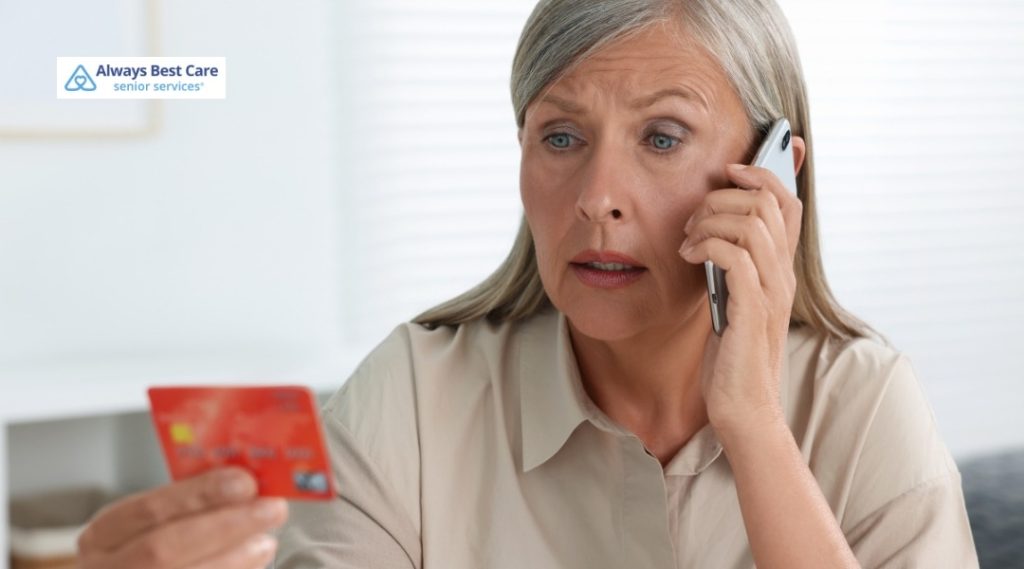
Sweepstakes and Lottery Scams
Here’s a classic trap:
“You’ve won a huge prize, just pay the taxes or fees first.”
The catch? There is no prize. Once money is sent, the scammer disappears. Seniors may be told to keep it “confidential,” which makes it even harder for the family to catch the problem in time.
Romance Scams
Online friendships or romances can be heartwarming, but they can also be a gold mine for scammers. Over time, the scammer builds emotional trust, then asks for money for:
- A sudden emergency
- Travel
- Medical bills
- “Business problems”
By the time the story stops adding up, thousands of dollars may be gone.
Tech Support Scams
A pop-up appears on the screen, or a caller claims:
“Your computer is infected. We can fix it, just give us remote access or pay a fee.”
Once they get access, scammers can:
- Lock the computer
- Steal information
- Charge for fake “repairs”
It sounds helpful on the surface, but it’s anything but.

Warning Signs a Scam May Be in Play
Scams often share the same red flags. If you notice any of these, it’s time to hit the brakes.
Watch for:
- Urgent demands: “Act now or there’ll be serious consequences.”
- Requests for unusual payment methods: Gift cards, wire transfers, cash, or cryptocurrency.
- Unsolicited contact asking for personal or financial information.
- Messages that stir up fear, guilt, or panic, pressuring quick decisions.
- Requests for secrecy: “Don’t tell your family; they’ll only worry.”
If a request seems odd, rushed, or secretive, it’s worth double-checking with someone you trust before doing anything.
How Families Can Help Protect Loved Ones in Guilford, CT
Family involvement is one of the strongest defenses against scammers. A few simple habits can go a long way.
Consider:
- Talking openly about common scams so they’re less mysterious and less embarrassing to mention.
- Encouraging seniors to verify anything that feels off by calling the real company or asking a trusted friend or relative.
- Watching bank and credit card statements for odd charges or new accounts.
- Setting up call blocking and email filters to cut down on spam and robocalls.
- Creating a “double-check” rule: before making large payments or sharing financial details, the senior talks with a trusted family member.
The goal isn’t to micromanage, but to build a partnership, “we’re in this together,” rather than “you can’t be trusted with your money.”

The Role of In-Home Care in Senior Scam Prevention
Here’s where in-home care can quietly make a big difference. Having a trusted caregiver around means there’s someone else keeping an eye out for trouble.
At Always Best Care of Guilford, we train caregivers to notice small changes and potential red flags. We:
- Help screen phone calls and visitors, gently steering seniors away from suspicious contacts.
- Spot unusual behavior or financial worries, such as new “friends” asking for money or sudden secrecy.
- Offer steady companionship, which reduces loneliness, a big risk factor for scams.
- Encourage regular communication with family so concerns are shared early rather than bottled up.
We and the families we serve, and we often work as a team; together, we build a safety net that protects both dignity and well-being.
What to Do If You Suspect a Scam
Think a loved one in Guilford, CT might have been targeted, or already lost money? Don’t panic, but don’t wait either.
Steps to take
- Contact the bank or financial institution right away to report the issue and try to stop or reverse transactions.
- Report the scam to local law enforcement or adult protective services, depending on the situation.
- Keep a close eye on accounts and credit reports for ongoing or repeated activity.
- Offer calm reassurance, not blame. Many seniors feel embarrassed and may shut down if they sense criticism.
A caring, nonjudgmental approach helps them speak up sooner next time, which can prevent even bigger losses.

Frequently Asked Questions
Q: How can I talk to my parent about scams without making them feel insulted?
A: Try framing it as something we’re all dealing with: “Scammers are going after everyone these days, even smart people. Can we come up with a plan together so we both feel better about it?” That keeps the focus on teamwork, not fault-finding.
Q: Are landline phones safer than cell phones for seniors?
A: Not really. Scammers target both. Robocalls and spoofed numbers hit landlines and cell phones alike, so education and call screening matter more than the type of phone.
Q: What’s one simple rule that can stop many scams?
A: A great rule of thumb: No giving out personal or financial information, and no paying unexpected bills, without checking with a trusted family member or Always Best Care of Guilford, CT, first. That pause can be a lifesaver.
Q: How can Always Best Care of Guilford, CT help my loved one stay safe from scams?
A: We provide in-home support, companionship, and an extra set of eyes and ears. We help monitor for suspicious calls or visitors, encourage open conversations about money concerns, and keep families in the loop so problems get caught early.
Staying One Step Ahead of Senior Scams in Guilford
Senior scams aren’t going away, but they don’t have to rule the day. With clear communication, simple safety steps, and support from trusted in-home care, families in Guilford, CT can give their loved ones the confidence to say “no” to fraud and “yes” to living safely at home.
If you’d like to learn how we at Always Best Care of Guilford can help protect your loved one from scams while supporting their independence, call us at (203) 998-0704 to schedule a care consultation and talk through your options.
Link to the Markdown File version of the article