

Alzheimers Care at Home in Hollywood: Everyday Help That Feels Like Home

A familiar kitchen. A favorite sweater. A quick chat over coffee before the day gets rolling. For a senior living with Alzheimers, these ordinary moments can carry real comfort.
As memory loss progresses, however, everyday tasks may become confusing, tiring, or unsafe. Bathing, preparing lunch, taking medication on schedule, and getting to a doctor’s appointment can turn into hurdles. That’s where Alzheimers care at home in Hollywood can lend a steady hand. The goal isn’t to take over someone’s life. It’s to provide thoughtful support that helps them stay safe, comfortable, and connected in the place they know best.
What You Will Learn
- How Alzheimers can affect everyday routines and why compassionate, familiar support at home can make a meaningful difference.
- The types of daily assistance that can help seniors stay comfortable and safe, including personal care, meal support, fall prevention, medication reminders, and light housekeeping.
- How transportation, surgery preparation, and transitional support after a hospital or skilled nursing stay can make care needs easier to manage.
- Why companionship and professional in-home support can give family caregivers greater peace of mind while helping their loved one maintain dignity and connection.
Table of Contents
Alzheimers Care at Home in Hollywood and Daily Routines
Alzheimers affects more than memory. It can change a senior’s ability to follow steps, recognize hazards, communicate needs, and manage personal routines. Some days may go smoothly; on others, even getting dressed can feel like a tall order.
Caregivers can help make the day feel less overwhelming by keeping routines predictable and using calm, simple communication. Rather than rushing through a task, it helps to break it into small steps and offer choices whenever possible. A little patience can go a long way.
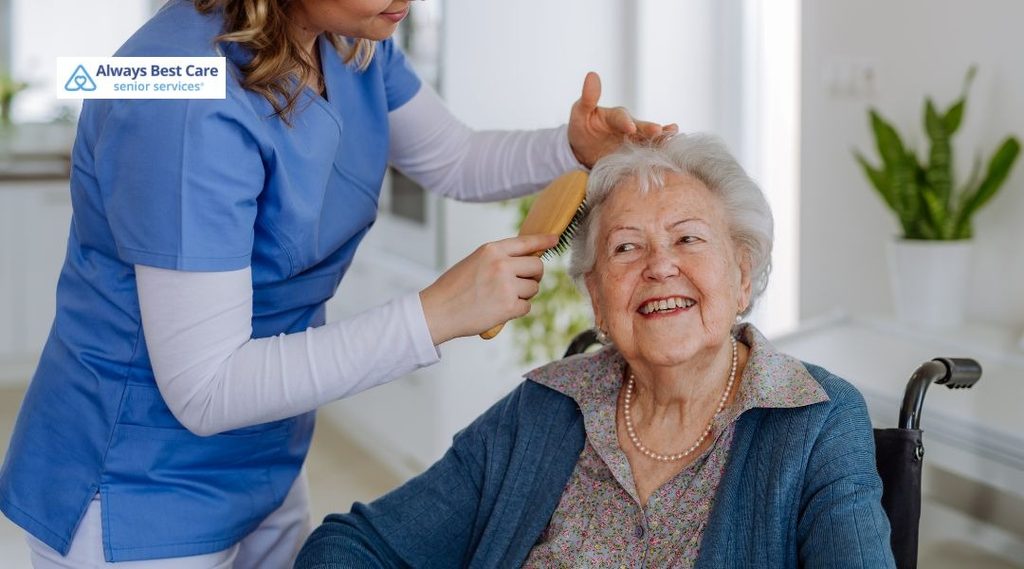
Support with activities of daily living may include bathing, grooming, dressing, toileting, and safe transfers. These personal tasks call for sensitivity. A caregiver’s encouraging tone, respect for privacy, and familiarity with the senior’s preferences can help preserve dignity while making care more manageable.
Making Bathing and Grooming Safer
Bathing can be a tricky subject for a person with Alzheimers. They may feel cold, embarrassed, confused by the process, or worried about losing control. No wonder the bathroom sometimes becomes a source of stress.
Preparation helps. Having towels, soap, clean clothes, and other supplies ready before starting can keep the experience calmer. A warm, well-lit room, a non-slip mat, grab bars, and a shower chair or bath bench may reduce hazards and improve comfort. Caregivers should never leave an unsteady person alone in the bathroom.
Gentle one-step prompts can be easier to follow than a string of directions. For example, “Here’s the washcloth” is often more effective than explaining the entire bathing routine at once. Keeping the same bathing time and using familiar products may also help the routine feel more natural.
Fall Prevention Starts at Home
A fall can throw a family’s routine for a loop, so prevention matters. Cognitive changes, balance concerns, unfamiliar objects, poor lighting, clutter, and loose rugs may all raise the risk.
A few practical adjustments can make a home safer:
- Keep walkways clear and well lit.
- Remove loose cords, slippery rugs, and clutter.
- Use grab bars and non-slip surfaces in bathrooms.
- Encourage supportive, non-slip footwear.
- Provide help with walking, transfers, and getting in or out of bed or chairs.
- Keep frequently used items within easy reach.
For someone with Alzheimers, a safer home is about more than equipment. Familiar layouts, predictable routines, and watchful support can lessen confusion and help the person move through the day with greater confidence.
Meals, Housekeeping, and Medication Reminders
A nutritious meal doesn’t have to be fancy. A warm bowl of soup, a familiar sandwich, or a favorite fruit may feel far more inviting than a complicated recipe. Caregivers can help with meal preparation, grocery shopping, hydration reminders, and kitchen cleanup while keeping the senior involved in simple, safe ways.
Light housekeeping matters, too. Fresh linens, laundry, dishes, and tidy pathways create a more comfortable home and reduce everyday risks. Small details add up.
Medication routines can become complicated as well. A caregiver may provide reminders, help maintain a schedule, and alert family members to concerns. Families should keep an up-to-date medication list with the prescribed timing, dosage, and purpose, and use tools such as calendars, timers, or pill organizers as appropriate. Always follow directions from the prescribing clinician or qualified medical professional for medication administration or changes.
Help With Appointments and Transitions
Getting to medical appointments can feel like a major production for a senior with memory loss. Transportation support can help with doctor’s visits, outpatient surgery appointments, grocery trips, and necessary errands. A familiar companion can also make check-in, waiting rooms, and the ride home a little less nerve-racking.
Transitional support can be especially valuable after a hospital stay or skilled nursing discharge. Picking up a loved one, helping them return home safely, preparing simple meals, completing household tasks, and arranging non-medical support can ease a stressful change.
Before outpatient surgery, families may benefit from help with food shopping, transportation planning, light housekeeping, and preparing a comfortable home for recovery. It’s one less thing to juggle during an already busy time.
Companionship Matters, Too
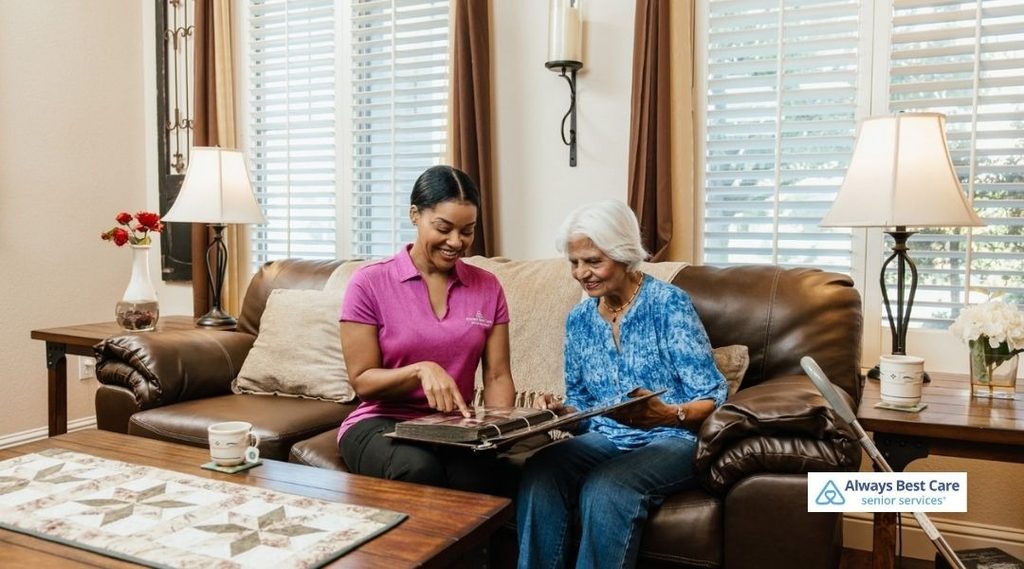
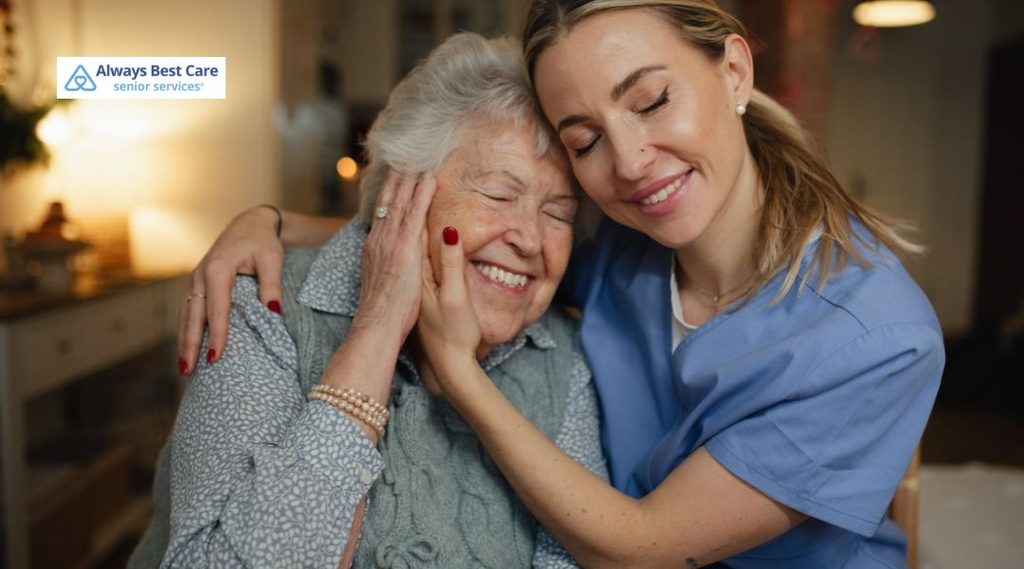
Care is more than a checklist. It’s sharing a laugh over an old photo, folding towels together, enjoying music, or taking a quiet walk around the neighborhood. Those moments can support a sense of belonging and purpose.
A daily care plan may include personal care, meals, household tasks, social time, creative activities, physical activity, and periods of rest. Building enjoyable activities around the senior’s abilities and lifelong interests can make routines feel less clinical and more like life.
Frequently Asked Questions
Q: What is Alzheimers care at home?
A: Alzheimers care at home is non-medical support that helps a person living with memory loss manage everyday routines safely and comfortably in familiar surroundings. Services may include personal care assistance, meal preparation, medication reminders, companionship, transportation, errands, light housekeeping, and respite for family caregivers.
Q: Can a caregiver help prevent falls for someone with Alzheimers?
A: Yes. A caregiver can help lower fall risks by keeping paths clear, providing support during transfers and walking, supervising bathroom routines when needed, and helping create a safer, more organized home environment.
Q: Can caregivers provide transportation to medical appointments?
A: Yes. Non-medical caregivers may provide transportation and accompaniment for doctor appointments, outpatient procedures, grocery shopping, errands, and scheduled follow-up visits, depending on the service plan and local availability.
Q: Can in-home care help after hospital discharge?
A: Yes. Alzheimers care at home in Hollywood can support a smoother transition after hospitalization or skilled nursing care by helping with transportation home, daily routines, meals, errands, light housekeeping, and non-medical recovery support.
A Little Help Today, More Peace of Mind Tomorrow
Living with Alzheimers changes daily life, but it doesn’t erase the need for comfort, familiarity, and connection. With the right help, seniors can continue enjoying meaningful routines while families gain breathing room and peace of mind.
Always Best Care Hollywood provides personalized in-home senior support designed to help older adults remain safely at home, with services that can include personal care, meal support, companionship, respite care, and other everyday assistance. A conversation about care today may make tomorrow feel much more manageable.
Reach out to Always Best Care Hollywood today to discuss your loved one’s needs and learn how personalized Alzheimers care at home can support a safer, more comfortable daily routine. Call 954-281-8221 or request a consultation to get started.
Link to the Markdown File version of the article