Elder Abuse Prevention: Protecting Seniors and Promoting Safe, Respectful Care in Hollywood, FL
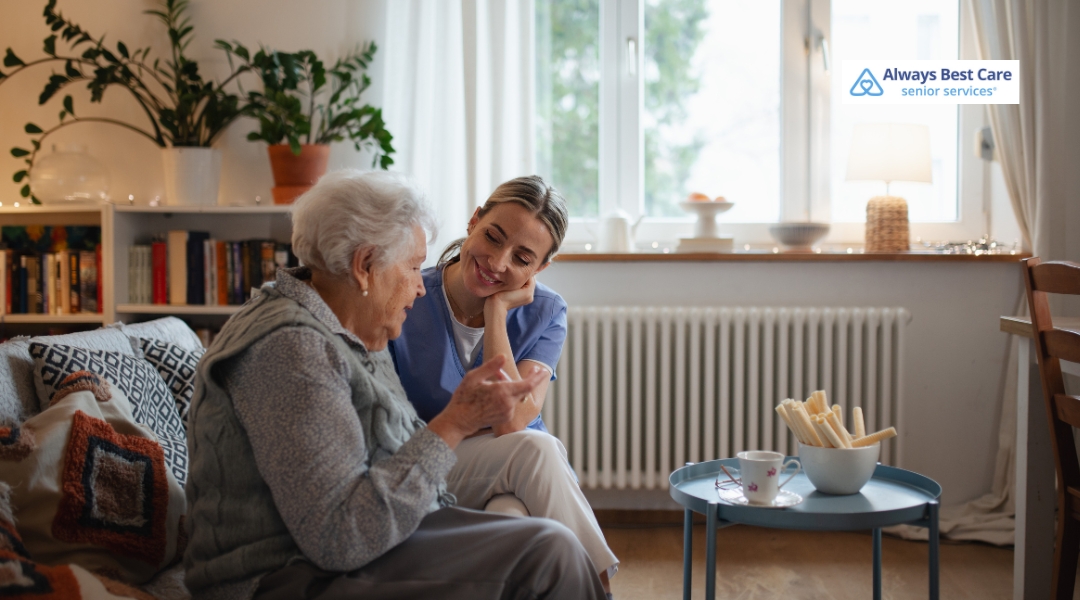
Elder abuse is one of the most underreported public health concerns in the United States. Across Florida, thousands of older adults experience some form of mistreatment each year, often at the hands of someone they trust. In Hollywood, FL, where a significant portion of the population is 65 and older, awareness and prevention are not just important; they are essential.
Families, caregivers, and communities all have a role to play. Understanding what elder abuse looks like, why it happens, and how to stop it can make a real difference in the lives of seniors.
What you will learn:
- What elder abuse is, the many forms it can take, and how common it truly is among older adults.
- The key warning signs, risk factors, and situations that can increase a senior’s vulnerability to mistreatment.
- Practical, caring steps families can take to stay involved, protect loved ones, and respond if they suspect abuse.
- How professional in-home caregivers in Hollywood, FL can support safer, more respectful daily care for seniors.
Table of Contents
Elder Abuse Is More Common Than Most People Realize
According to the National Council on Aging, approximately 1 in 10 Americans aged 60 and older has experienced some form of elder abuse. Many cases are never reported, either because the victim fears retaliation, feels ashamed, or is unable to communicate what is happening.
Elder abuse does not only occur in nursing homes or assisted living facilities. It happens in private residences, within families, and through professional relationships. Recognizing this reality is the first step toward meaningful prevention.
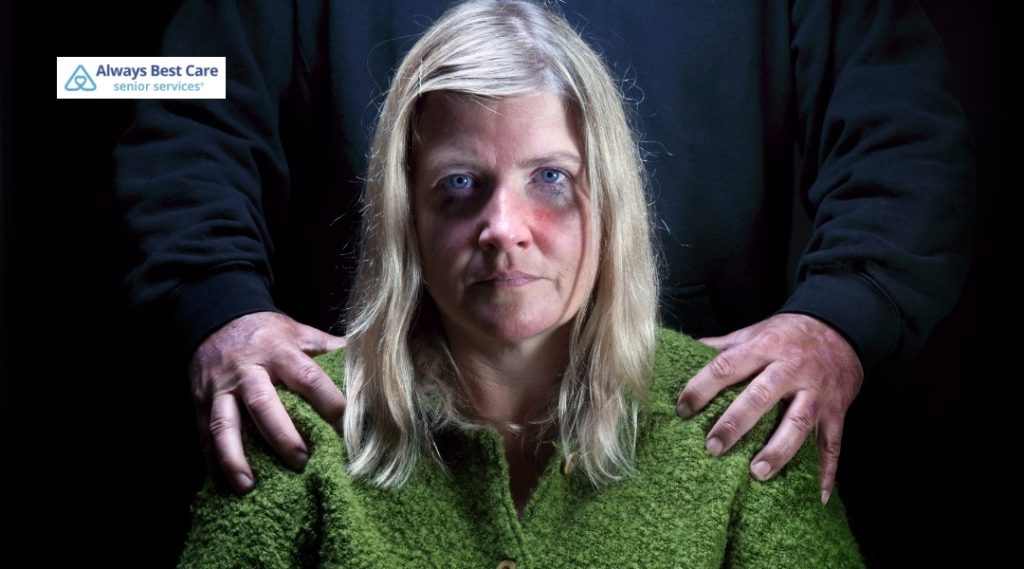
The Different Forms Elder Abuse Can Take
Elder abuse is not limited to physical harm. It encompasses a wide range of behaviors that cause distress, injury, or loss to an older adult.
Types of elder abuse include:
- Physical abuse — hitting, pushing, inappropriate restraint, or causing bodily harm
- Emotional abuse — verbal threats, humiliation, manipulation, or deliberate isolation
- Financial exploitation — unauthorized use of funds, forging signatures, or pressuring seniors into financial decisions
- Neglect — failing to provide adequate food, hygiene, medical care, or supervision
- Abandonment — leaving a dependent senior without appropriate care or support
In many situations, more than one type of abuse occurs simultaneously, which can make it harder to identify and address.
Warning Signs Families Should Not Ignore
Because elder abuse is often hidden, families need to stay observant. Changes in a senior’s physical condition, behavior, or finances can indicate that something is wrong.
Watch for the following:
- Unexplained bruises, burns, or injuries
- Sudden withdrawal from family, friends, or activities they once enjoyed
- Visible signs of poor hygiene or malnutrition
- Unusual bank transactions, missing money, or unpaid bills
- Anxiety, fearfulness, or reluctance to speak openly around certain individuals
- Significant changes in mood, sleep, or appetite
A single sign may not confirm abuse, but a pattern of changes warrants a closer look and a direct conversation.

Who Is Most at Risk?
While any older adult can experience abuse, certain risk factors increase vulnerability. Understanding these can help families take targeted preventive steps.
Higher-risk situations include:
- Social isolation with limited outside contact
- Cognitive decline, including dementia or Alzheimer’s disease
- Physical dependence on a caregiver for daily activities
- Financial dependence or lack of oversight over personal accounts
- Caregiver burnout or untreated mental health challenges
Seniors living alone or with a single caregiver who has no external accountability are particularly vulnerable. Regular family involvement is one of the most effective protective factors available.
Practical Steps to Protect Your Loved One
Prevention does not require dramatic action; it requires consistent attention and involvement.
Families can make a meaningful difference by:
- Staying actively involved in the seniors’ daily routine and care decisions
- Scheduling regular visits, calls, or video check-ins — and varying the timing
- Reviewing financial statements and setting up account alerts for unusual activity
- Ensuring multiple trusted people are involved in the senior’s care network
- Encouraging social engagement through community programs, faith groups, or senior centers in Hollywood, FL
- Having open, honest conversations with caregivers about expectations and boundaries
Transparency and regular communication create an environment where abuse is far less likely to go unnoticed.
How Professional In-Home Care Supports Elder Abuse Prevention
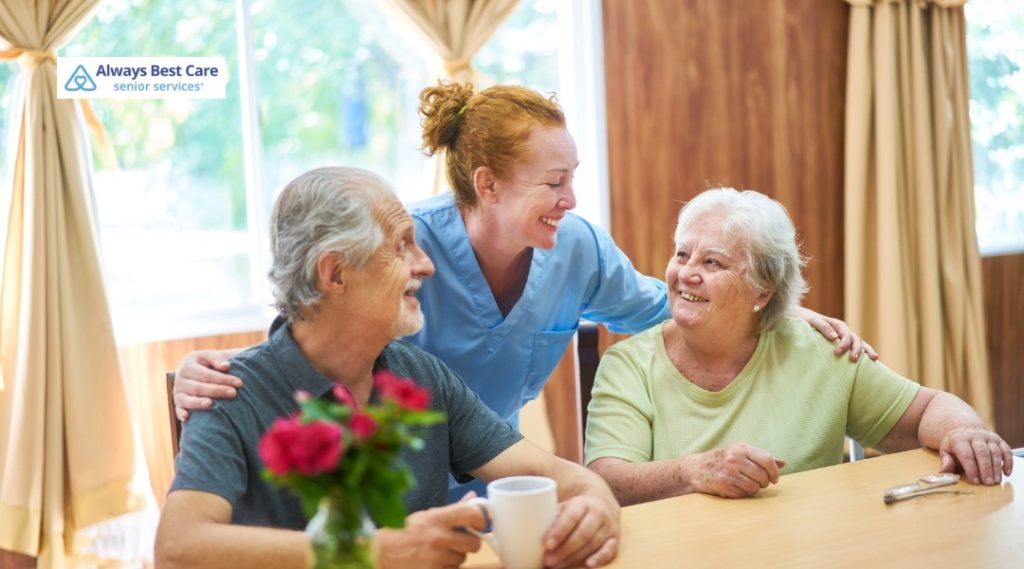
One of the most effective ways to reduce the risk of elder abuse is to ensure that care is provided by trained, accountable professionals. At Always Best Care of Hollywood, FL, caregivers are thoroughly screened, background-checked, and trained to deliver compassionate, respectful support.
Professional caregivers do more than assist with daily tasks; they serve as an additional set of eyes and ears. They are trained to recognize early warning signs and promptly communicate concerns to family members, enabling faster intervention when something does not seem right.
Choosing professional in-home care also reduces the burden on family caregivers, thereby lowering the risk of stress-related mistreatment. A well-supported care team benefits everyone involved.
What to Do If You Suspect Abuse
If you believe a loved one is being abused, do not wait. Early action can prevent further harm.
Steps to take immediately:
- Speak privately with the senior in a calm, non-judgmental setting
- Document what you observe — dates, behaviors, physical signs, and financial irregularities
- Contact local Adult Protective Services in Broward County
- Reach out to the senior’s healthcare provider for a professional assessment
- Call law enforcement if there is immediate danger
You do not need to have all the answers before acting. Reporting a concern is not an accusation; it is a step toward protecting someone you care about.
Frequently Asked Questions
Q: What is the most common type of elder abuse?
A: Financial exploitation is among the most prevalent forms of elder abuse, often because it can be carried out remotely and may go undetected for extended periods. Emotional abuse and neglect are also widely reported.
Q: Can elder abuse happen even when the family is involved in care?
A: Yes. Family members can be perpetrators of elder abuse, particularly in situations involving financial stress, caregiver burnout, or unresolved family conflict. Involvement alone is not a guarantee of safety — the quality and nature of that involvement matters.
Q: How do I report elder abuse in Hollywood, FL?
A: You can contact the Florida Department of Children and Families’ Abuse Hotline at 1-800-962-2873. Reports can be made anonymously, and trained professionals will assess the situation and determine next steps.
Q: What if the senior denies the abuse?
A: It is common for seniors to deny or minimize abuse out of fear, loyalty, or shame. If you have a strong reason to believe abuse is occurring, report your concerns to the appropriate authorities regardless. Professionals are trained to handle these sensitive situations.
Q: How can professional caregivers help prevent elder abuse?
A: Professional caregivers provide consistent, accountable care and are trained to identify warning signs early. Their presence also reduces isolation and caregiver burnout, two of the most significant risk factors for abuse.
Compassionate Care You Can Count On in Hollywood, FL
Protecting seniors from abuse requires a community-wide commitment, and it starts with the people closest to them. At Always Best Care of Hollywood, we are dedicated to providing safe, dignified, and trustworthy care that gives families peace of mind.
Call Always Best Care of Hollywood at (954) 281-8221 to schedule a care consultation and learn how our team can support your loved one’s safety, independence, and well-being.
Link to the Markdown File version of the article