Senior Scams: How to Recognize the Warning Signs and Protect Your Loved One in Hollywood, FL
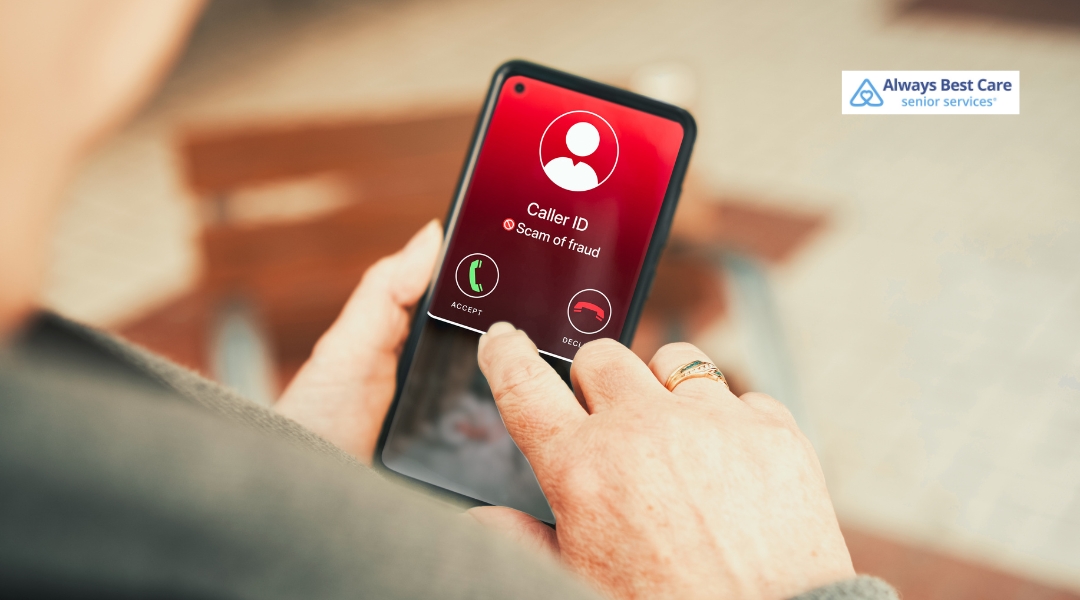
Scams targeting older adults are not a new problem, but they are a growing one. Each year, seniors lose billions of dollars to fraud, and the tactics used by scammers are becoming harder to detect. In Hollywood, FL, families are increasingly looking for ways to protect their loved ones from financial exploitation and emotional harm.
The most powerful defense is not a piece of software or a phone filter. It is knowledge. When seniors and their families understand how scams work, they are far less likely to fall for them.
What You Will Learn
- Why seniors are often targeted by scammers and which everyday situations can increase their risk.
- The most common types of scams affecting older adults in Hollywood, FL, and the red flags that matter most.
- Simple, loving ways families can help protect a loved one through awareness, conversation, and prevention habits.
- How in-home caregivers can provide extra support, companionship, and peace of mind in scam prevention.
The Real Reason Seniors Are Targeted
It is easy to assume that scammers target seniors simply because they are older. The reality is more specific. Scammers look for opportunities, and certain circumstances create them.
Older adults are more likely to:
- Answer calls from unknown numbers
- Have accessible savings or retirement income
- Experience social isolation, which increases vulnerability to manipulation
- Be less accustomed to recognizing digital fraud tactics
Isolation, in particular, is a significant risk factor. When someone has limited daily contact with trusted people, a scammer who calls regularly can begin to feel like a familiar voice—even a friend.
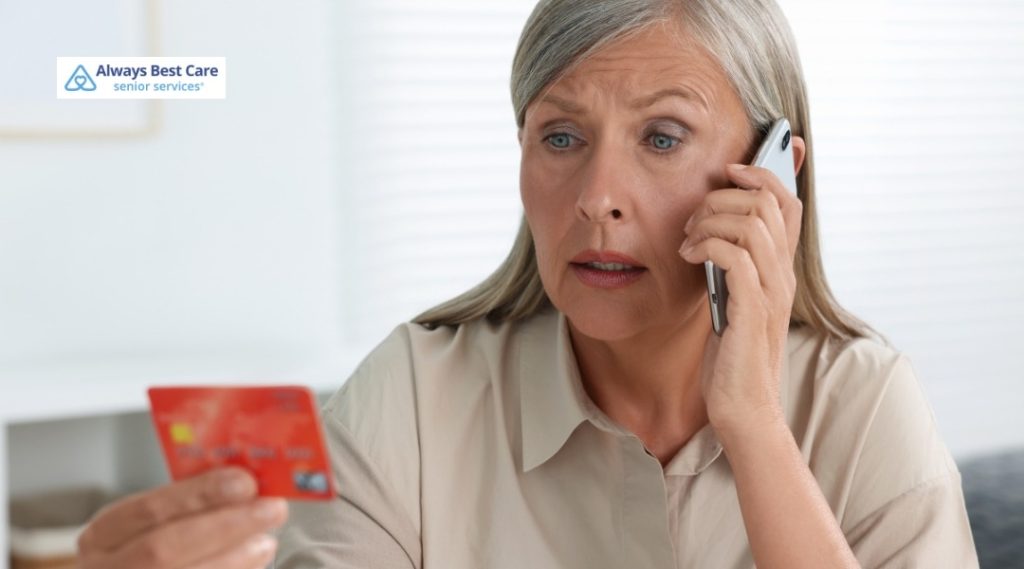
Table of Contents
Scams That Commonly Affect Seniors
Understanding the most common types of scams helps families recognize them before real damage is done.
Grandparent Scams
A caller claims to be a grandchild in trouble, arrested, in an accident, or stranded abroad. They beg for money and ask the senior not to tell anyone. The urgency and emotional pressure are designed to bypass rational thinking.
Government Impersonation
Scammers pose as IRS agents, Social Security Administration representatives, or Medicare officials. They may threaten legal action or benefit suspension unless immediate payment is made.
Tech Support Fraud
A pop-up or phone call warns of a virus on the senior’s device. The “technician” requests remote access or payment for unnecessary repairs—and may use that access to steal financial information.

Romance Scams
These are among the most financially devastating. A scammer builds a relationship online over weeks or months, then introduces a crisis requiring money. Victims often send thousands of dollars before realizing what has happened.
Lottery and Prize Scams
The senior is told they have won a prize but must pay fees or taxes to claim it. No prize exists, only repeated requests for payment.
Red Flags Every Family Should Know
Scams follow patterns. Once you know what to look for, they become easier to spot.
Be alert when:
- Someone demands immediate action or payment
- Payment is requested via gift cards, wire transfer, or cryptocurrency
- A caller asks for personal information you did not initiate sharing
- Someone instructs your loved one to keep a transaction secret
- An offer sounds too good to be true, because it is
Scammers rely on urgency and secrecy. If your loved one feels pressured to act fast or hide something, that is a serious warning sign.

How Families Can Build a Stronger Defense
Protecting a senior from scams is not a one-time conversation. It is an ongoing practice built on trust and open communication.
Practical steps to take:
Have regular, judgment-free conversations about scams and how they work
- Encourage your loved one to pause and call you before responding to any unusual request
- Set up call-blocking tools or spam filters on their phone and devices
- Review financial statements together periodically to catch unusual activity early
- Establish a simple rule: no one legitimate will ever ask for payment via gift card
The goal is not to make seniors feel incapable of making decisions. It is to give them a trusted sounding board before acting on something that feels off.
The Role of In-Home Caregivers in Scam Prevention
Family members cannot always be present, but a professional caregiver can be. In-home caregivers provide more than physical assistance. They offer daily companionship and an attentive presence that can make a meaningful difference in scam prevention.
At Always Best Care of Hollywood, FL, caregivers are trained to notice changes in behavior, flag unusual phone calls or visitors, and gently encourage seniors to consult family members before making financial decisions. They also help reduce the isolation that makes seniors more susceptible to manipulation in the first place.
A caregiver who is present and engaged can serve as an informal first line of defense, not by controlling decisions, but by providing connection and support.

What to Do If You Suspect a Scam
If you believe your loved one has been targeted or has already lost money to a scam, act quickly and calmly.
Immediate steps:
- Contact their bank or financial institution to report the situation and prevent further loss
- File a report with local law enforcement and adult protective services
- Report the scam to the FTC at reportfraud.ftc.gov
- Monitor all accounts closely for additional suspicious activity
- Offer reassurance, many victims feel ashamed and may be reluctant to talk
Shame is one of the biggest barriers to getting help. Approaching the situation with empathy rather than frustration will make it easier for your loved one to open up and cooperate with next steps.
Protecting Seniors Starts with Awareness
Scammers are persistent, but they are not unstoppable. Awareness, communication, and consistent support are the most effective tools available to families. When seniors feel connected, informed, and supported, they are far less likely to become victims.
At Always Best Care of Hollywood, FL, we are committed to helping seniors live safely and confidently at home. Our caregivers provide daily support alongside an added layer of awareness and protection that gives families peace of mind.

Frequently Asked Questions
Q: What is the most common scam targeting seniors?
A: Government impersonation scams and grandparent scams are among the most frequently reported. However, romance scams tend to result in the highest financial losses per victim.
Q: How do I talk to my parent about scams without making them feel patronized?
A: Frame the conversation around information, not capability. Share a news story or example and ask for their thoughts. This opens a dialogue without implying they are vulnerable or unable to protect themselves.
Q: What should a senior do if they receive a suspicious call?
A: Hang up without engaging. Do not provide any personal information, and do not call back using a number the caller provides. Contact a trusted family member or look up the organization’s official number independently.
Q: Are seniors required to report scams?
A: There is no legal requirement, but reporting helps authorities track fraud patterns and may prevent others from being targeted. Reports can be filed with local police, adult protective services, or the FTC.
Q: Can in-home caregivers help prevent financial exploitation?
A: Yes. Caregivers who are regularly present can notice behavioral changes, flag unusual activity, and provide the companionship that reduces isolation, one of the key risk factors for scam vulnerability.
Q: How can Always Best Care help protect my loved one?
A: Our caregivers are trained to recognize warning signs of exploitation and to support seniors in making safe, informed decisions. We also work closely with families to ensure open communication and consistent oversight.
Protecting the Ones We Love
Watching a loved one become the target of a scam can feel upsetting, personal, and deeply unfair. The good news is that seniors do not have to face these risks alone. With compassion, regular communication, and the right support at home, families can help older adults feel safer, more confident, and more connected every day
Call Always Best Care of Hollywood, FL at (954) 281-8221 to schedule a care consultation and learn how our caregivers can help protect your loved one while supporting their independence and well-being at home.
Link to the Markdown file version of the article