Wound Care at Home: When Is Skilled Nursing Needed in Hollywood?
Healing from a wound at home sounds simple enough: keep it clean, cover it up, and let the body do its work. But for older adults, wound care is rarely that straightforward. Aging skin, chronic health conditions, and slower recovery times can turn a minor injury into a serious medical concern faster than most families expect.
Understanding when a wound can be managed at home and when it requires skilled nursing care is one of the most important things a caregiver can know. This guide breaks down the risks, the warning signs, and how professional home health services in Hollywood can help seniors heal safely, without leaving the comfort of home.
What You Will Learn
- Why older adults may face extra challenges with wound healing at home.
- Which wound types and warning signs may mean skilled nursing or prompt medical attention is needed.
- How home health nurses and in-home caregivers can support a safer, more comfortable recovery.
- Simple ways to help prevent pressure injuries and protect a loved one’s skin each d
Table of Contents
How Aging Changes the Way Wounds Heal
The skin does a lot more than most people realize. It acts as a barrier against bacteria, regulates temperature, and signals pain when something is wrong. As we age, each of those functions weakens.
Older skin becomes thinner and loses elasticity, making it more prone to tears, bruising, and pressure injuries. Blood flow to the skin decreases, which slows the delivery of oxygen and nutrients that tissues need to repair themselves. The immune system also becomes less efficient at fighting off infection, meaning a wound that a younger person might shake off in days can linger for weeks — or worsen — in a senior.
Several chronic conditions compound these challenges:
- Diabetes damages blood vessels and nerves, reducing circulation and sensation in the extremities. Seniors with diabetes may not notice a wound on their foot until it has already become infected.
- Heart disease and peripheral artery disease restrict blood flow, depriving wounds of the oxygen needed for healing.
- Malnutrition and dehydration are more common in older adults than many families realize, and both significantly impair the body’s ability to regenerate tissue.
- Limited mobility increases the risk of pressure injuries, which develop when sustained pressure cuts off circulation to the skin over bony areas like the heels, hips, and tailbone.
Types of Wounds That Typically Require Skilled Nursing
Not every cut or scrape needs a nurse. But certain wound types carry enough complexity and risk that professional oversight is not just helpful — it is essential.
Skilled nursing care is commonly recommended for:
- Surgical incisions that need monitoring for proper closure and signs of infection post-discharge
- Pressure injuries (bedsores) at Stage 2 or higher, which involve open skin and require specialized dressing protocols
- Diabetic foot ulcers, which have a high risk of infection and can progress to limb-threatening complications
- Venous and arterial ulcers caused by poor circulation, often requiring compression therapy and careful wound management
- Skin tears in fragile older adults that do not close easily on their own
- Burns beyond minor, superficial injuries
- Chronic wounds that have not shown measurable improvement after two to four weeks of standard care
A physician will typically determine whether skilled nursing is medically necessary and issue orders outlining the care plan.
Warning Signs That a Wound Needs Immediate Attention
Families and caregivers should monitor wounds closely and know when to escalate. Contact a healthcare provider promptly if you notice:
- Increasing redness, warmth, or swelling around the wound site
- Pus, cloudy drainage, or a foul odor — all signs of possible infection
- Wound edges that are separating rather than closing
- Skin that is turning dark or black around the wound, which may indicate tissue death
- Fever above 100.4°F, chills, or increased confusion in the senior
- A wound that has not improved after one to two weeks of home care
For seniors with diabetes or circulatory conditions, do not wait for multiple symptoms to appear. A single concerning sign warrants a call to the doctor.
What a Skilled Home Health Nurse Does for Wound Care in Hollywood
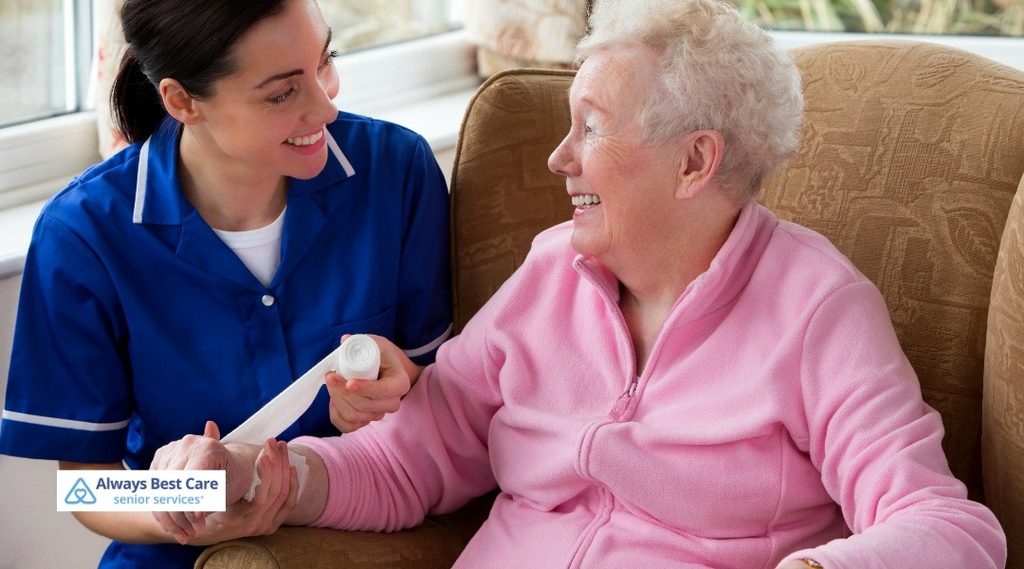
When a physician orders skilled nursing as part of a home health plan, a licensed nurse visits the senior at home and provides clinical-level wound care based on the treatment protocol.
Depending on the wound type and physician orders, skilled nursing services may include:
- Conducting a thorough wound assessment and documenting changes over time
- Cleaning and debriding the wound to remove damaged tissue
- Applying and changing specialized dressings appropriate to the wound type
- Monitoring for signs of infection or complications
- Coordinating with the physician and other members of the care team
- Educating the senior and family members on home wound care between visits
Having a skilled nurse involved is especially valuable after a hospital discharge, surgery, or rehabilitation stay, times when wounds are still healing and the risk of complications is highest.
Preventing Pressure Injuries Before They Start
For seniors with limited mobility, prevention is just as important as treatment. Pressure injuries can develop in as little as a few hours when circulation is cut off to vulnerable areas of skin.
Effective prevention strategies include:
- Repositioning regularly — at least every two hours for bed-bound seniors, and every hour for those in a wheelchair
- Using pressure-relieving equipment such as specialized mattresses, cushions, and heel protectors
- Keeping skin clean and dry, particularly in areas prone to moisture like skin folds
- Ensuring adequate nutrition and hydration to support skin integrity
- Inspecting high-risk areas daily — heels, ankles, hips, tailbone, shoulder blades, and the back of the head
Caregivers who know what to look for can catch early-stage skin changes before they become open wounds.
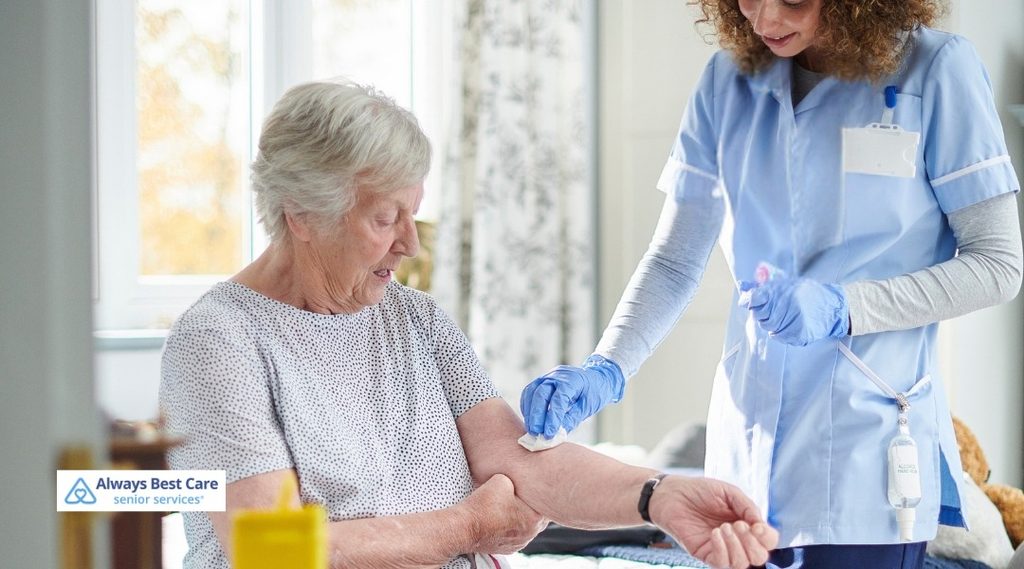
How In-Home Caregivers Support the Healing Process
Skilled nursing addresses the clinical side of wound care, but healing at home involves much more than dressing changes. Seniors recovering from wounds often need consistent support with daily tasks that become harder when mobility is limited or energy is low.
An in-home caregiver in Hollywood can assist with:
- Meal preparation to ensure the senior is eating a nutritious, protein-rich diet that supports healing
- Hydration reminders throughout the day
- Personal hygiene and bathing assistance to keep the skin clean
- Mobility support and repositioning to reduce pressure injury risk
- Medication reminders
- Light housekeeping to maintain a safe, clean environment
- Observing and reporting any changes in the senior’s condition to family or the care team
When skilled nursing and in-home caregiving work in tandem, seniors receive both the medical oversight and the day-to-day support they need to recover well.
Frequently Asked Questions
Q: How do I know if a wound needs a nurse or if I can treat it at home?
A: Minor wounds — small cuts, superficial scrapes, or minor skin irritation — can often be managed at home with proper cleaning and bandaging. However, if the wound is deep, not healing within one to two weeks, showing signs of infection, or is associated with a chronic condition like diabetes, it is best to consult a healthcare provider. A physician can determine whether skilled nursing care is medically necessary.
Q: Does Medicare cover skilled nursing for wound care at home?
A: Medicare Part A may cover home health services, including skilled nursing for wound care, if the senior meets certain criteria: they must be homebound, the care must be medically necessary, and it must be ordered by a physician. A home health agency can help families understand eligibility and navigate the coverage process.
Q: How often will a nurse visit for wound care?
A: Visit frequency depends on the wound type, severity, and the physician’s orders. Some wounds require daily nursing visits, while others may only need a nurse two to three times per week. The care plan is typically reassessed as the wound progresses.
Q: Can pressure injuries be treated at home, or do they always require hospitalization?
A: Many pressure injuries, particularly early-stage ones, can be treated effectively at home with skilled nursing care. Advanced-stage pressure injuries may require more intensive treatment, and in some cases, hospitalization. Early detection and intervention are key to avoiding more serious outcomes.
Q: What should I do if I notice a wound changing between nursing visits?
A: Contact the home health agency or the senior’s physician right away. Do not wait for the next scheduled visit if you observe increased redness, swelling, drainage, odor, or if the senior develops a fever or seems more confused than usual. Prompt communication can prevent minor changes from becoming serious complications.
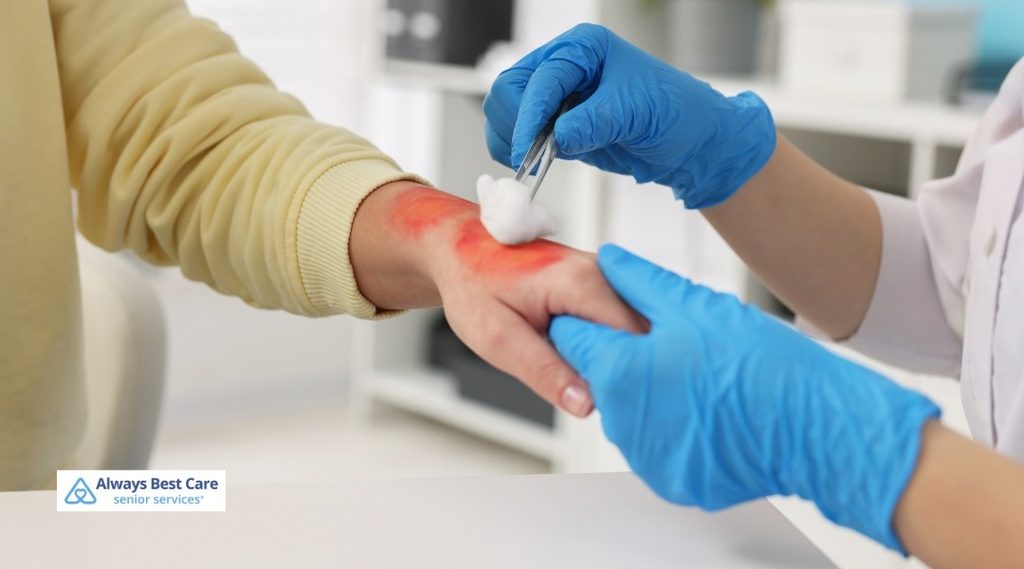
Supporting Safer Recovery at Home in Hollywood
Wound care does not have to be a source of anxiety for families. With the right professional support in place, seniors can heal effectively at home — avoiding unnecessary hospitalizations and maintaining their quality of life.
Always Best Care of Hollywood offers services designed to meet older adults where they are. Depending on your loved one’s needs and what is available in your area, home health services may include skilled nursing care, and in-home caregivers can provide the daily assistance that makes recovery more manageable.
If your loved one is dealing with a wound, recovering from surgery, or managing a condition that affects healing, reach out to Always Best Care of Hollywood at (954) 281-8221 to schedule a care consultation and explore your options.
Link to the Markdown File version of the article