
Staying Safe and Supported: A Practical Dementia Care Guide for Irvine Families

A dementia diagnosis can flip life upside down overnight. One day you’re trading stories over coffee, and the next you’re double-checking stove knobs, medications, and locked doors. For many Irvine families, moving a loved one out of their home feels like a last resort. They’d much rather keep them surrounded by familiar rooms, neighbors, and memories.
That’s where thoughtful dementia care at home comes in—blending safety, structure, and compassion so seniors with memory loss can stay in the place they love while family caregivers feel a little less alone.
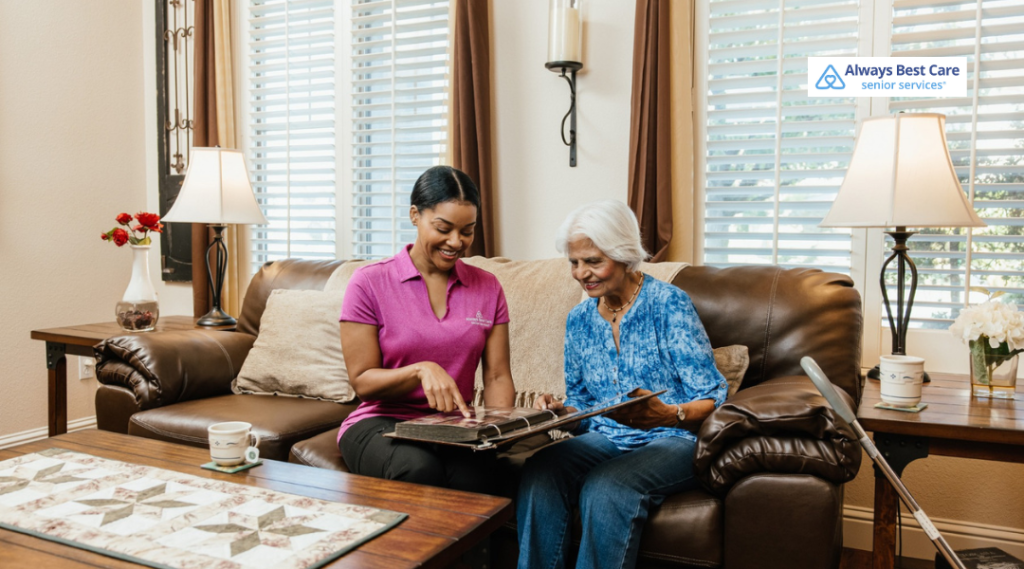
Table of Contents
Understanding Dementia and Alzheimer’s in Everyday Life
Dementia isn’t just “getting forgetful.” It’s a group of conditions that affect memory, thinking, and daily functioning. Alzheimer’s disease is the most common type, but there are others, including vascular dementia and Lewy body dementia. Over time, dementia can affect:
- Short-term memory and planning
- Judgment and problem-solving
- Mood, personality, and behavior
- Ability to manage everyday tasks
Knowing this doesn’t remove the heartbreak, but it can make the changes feel less mysterious and frightening.
Early Signs Irvine Families Often Notice
The earliest changes can be subtle, and easy to brush off. Families might see:
- Repeating the same questions or stories
- Getting lost on familiar routes in Irvine neighborhoods
- Struggling with bills, medications, or appointments
- Mood swings, anxiety, or withdrawal from favorite activities
Catching these signs early gives families more time to plan, ask questions, and tap into memory care support before a crisis hits.
Why Home-Based Dementia Care Matters
Home isn’t just four walls—it’s that favorite chair by the window, the smell of a well-loved kitchen, and the routine of morning coffee in the same mug. For a person living with dementia, familiar surroundings can:
- Reduce confusion and agitation
- Make it easier to find the bathroom, bedroom, and kitchen
- Offer a sense of security, even as memory changes
Staying in a known environment can feel grounding in a world that’s slowly becoming harder to navigate.
The Balance Between Independence and Safety
Families walk a fine line: they want loved ones to keep doing what they can, but they also need to prevent falls, wandering, and other emergencies. Dementia care at home focuses on:

- Supporting independence in small ways
- Stepping in where safety’s on the line
- Adjusting as abilities change over time
It’s an ongoing balancing act—but with the right strategies, it’s manageable.
Creating a Safer Home for Dementia Care
A few thoughtful tweaks can make a big difference:
- Kitchen: Store sharp knives and cleaning products out of reach. Use automatic shut-off devices for stoves or rely more on microwave and slow cooker meals.
- Bathroom: Add grab bars, non-slip mats, and a raised toilet seat. Keep medications secured and clearly labeled.
- Hallways and stairs: Improve lighting, remove loose rugs, and clear clutter. Handrails on both sides of stairs can be a game-changer.
- Bedroom: Keep pathways wide and well lit for nighttime trips to the bathroom. Consider night-lights and simple bedside organization.
Small changes, done early, can prevent big emergencies down the road.
Reducing Wandering Risks
Wandering can be one of the scariest parts of dementia care. Helpful strategies include:
- Installing door chimes or alarms
- Using visual cues like “STOP” signs on exits
- Keeping recent photos, ID, and emergency contacts handy
- Creating a safe outdoor space—a patio or yard—so movement is guided, not restricted
The goal isn’t to “lock someone in,” but to steer movement in safer directions.
Supporting Daily Routines and Activities
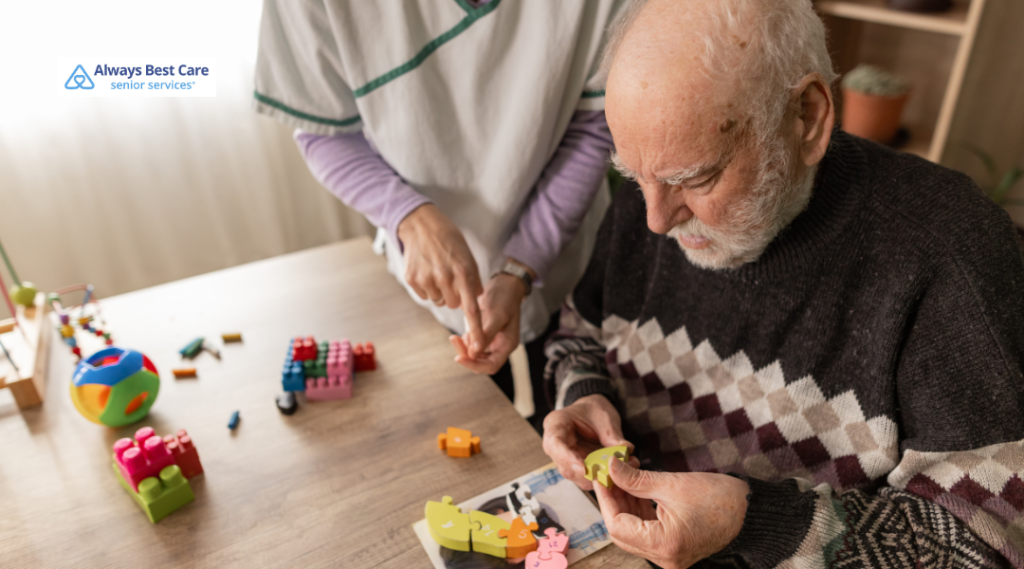
Dementia often brings more peace when the day has a gentle rhythm. Many Irvine families find it helpful to:
- Keep wake-up and bedtime fairly consistent
- Anchor the day around meals, medications, and short activities
- Schedule more demanding tasks (bathing, appointments) during the person’s “best” time of day
Think of it less like a strict schedule and more like a familiar pattern the brain can lean on.
Meaningful Engagement, Not Just “Keeping Busy”
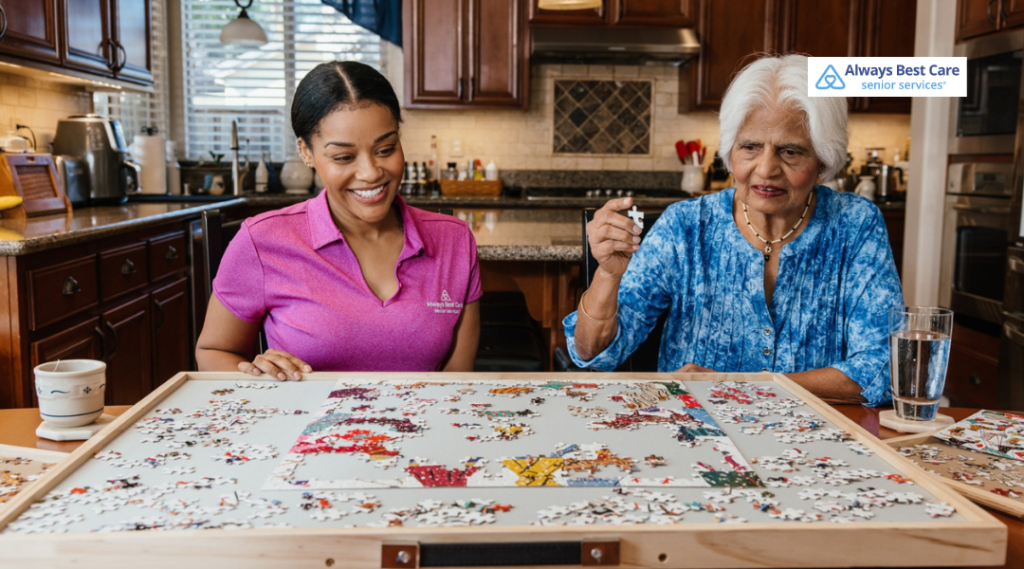
Activities don’t have to be elaborate to be valuable. Consider:
- Folding towels, matching socks, or sorting items by color
- Listening to favorite music, especially from earlier decades
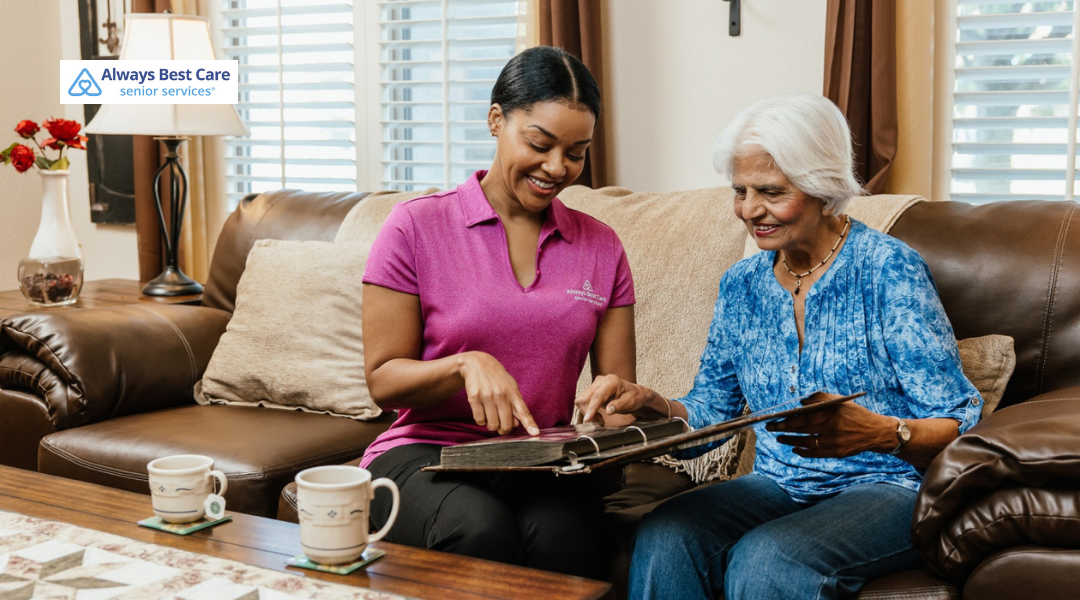
- Looking through photo albums or talking about “the old days”
- Short walks, light stretching, or simple chair exercises
The key is to focus on what feels familiar, enjoyable, and achievable—not perfection.
Communication Tips for Dementia Caregivers
Communication can become tricky, yet a few adjustments go a long way:
- Use short, clear sentences and one question at a time
- Maintain eye contact and speak calmly
- Give extra time for responses—silence doesn’t mean they didn’t hear you
- Offer choices, but keep them limited: “Would you like tea or water?”
The goal is to invite cooperation, not push compliance.
Handling Tough Moments
Agitation, fear, or refusal to bathe or eat can crop up out of nowhere. In those moments, it often helps to:
- Pause and take a breath before responding
- Acknowledge feelings: “It seems like you’re upset. I’m here with you.”
- Change the environment—turn down noise, move to a quieter room, or shift to a different activity
- Try again later instead of forcing the issue
Sometimes, the most powerful tool is a calm presence and a soft tone.
Caring for the Caregiver in Irvine
Caregivers are often the last to admit they’re running on fumes. Red flags include:
- Constant exhaustion, even after sleep
- Irritability or snapping at loved ones
- Feeling guilty whenever you take a break
- Losing interest in your own hobbies and relationships
Needing help doesn’t mean you’re failing; it means you’re human.
Finding Support and Respite
In and around Irvine, caregivers can look into:
- In-home respite care to cover a few hours or days
- Adult day programs for structured social time
- Caregiver support groups—online or in person
- Professional dementia care services that share the load
The sooner support is in place, the easier it is to sustain care over the long haul.
FAQs About Dementia Care at Home in Irvine
Q: How can I tell if my loved one is safe at home with dementia?
A: Safety depends on factors like mobility, wandering risk, judgment, and ability to manage tasks. A home safety review and consultation with a dementia care professional can help you assess current risks.
Q: What are the most important home changes for dementia care?
A: Common priorities include better lighting, removing tripping hazards, securing medications and sharp objects, and adding grab bars or railings in bathrooms and on stairs.
Q: How do I make daily routines easier for someone with dementia?
A: Keep routines predictable, break tasks into small steps, and schedule activities for the time of day when your loved one is usually calmest and most alert.
Q: How can I reduce agitation and confusion?
A: A calm voice, simple choices, familiar activities, and a quieter environment often help. Sudden changes in routine or surroundings can increase agitation, so gradual transitions tend to work better.
Q: Where can Irvine caregivers find dementia support?
A: Caregivers in Irvine can reach out to local senior care agencies, memory care programs, support groups, and healthcare providers for guidance, respite options, and community resources.

You Don’t Have to Navigate Dementia Care Alone
Dementia care at home is a marathon, not a sprint. Some days feel smooth and hopeful; others feel messy, heartbreaking, and exhausting. Still, with a safer home, gentler routines, better communication, and the right support network, families in Irvine can create an environment where their loved one is protected, respected, and surrounded by love.
No caregiver should have to figure all of this out in isolation. Reaching out for help—whether for a safety check, respite support, or ongoing dementia care services—can turn a frightening journey into one that’s shared, supported, and a little more manageable, one day at a time. Contact Always Best Care of Irvine at (949) 705-6501 to learn more and schedule your free consultation.