

Blood Sugar Changes in Older Adults: Warning Signs Families Should Know in Irvine, CA
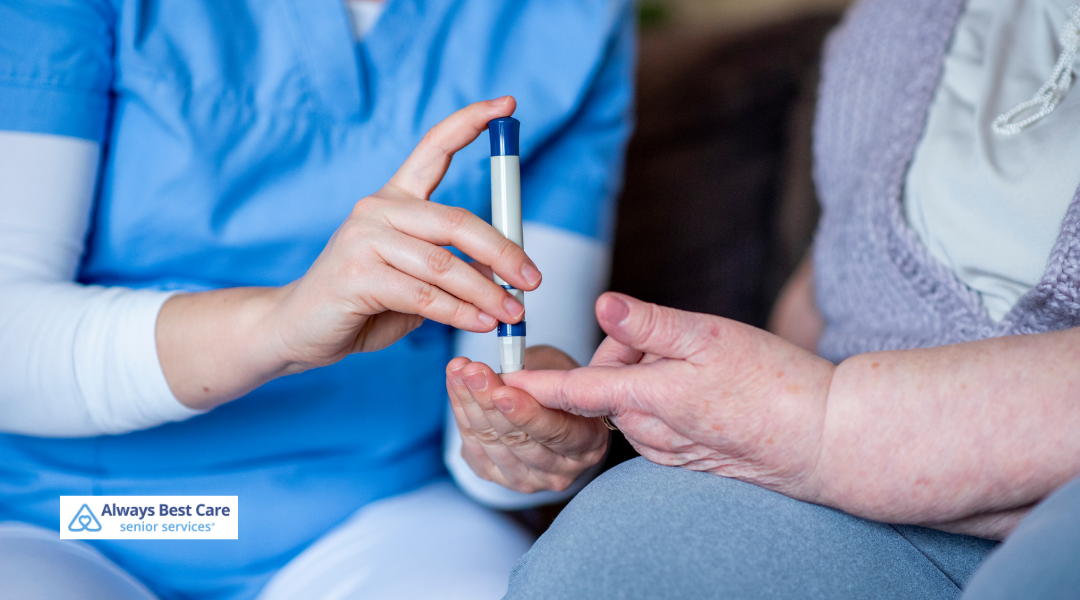
Blood sugar can shift fast in older adults, and those changes can sneak up on families. A little extra awareness goes a long way, especially when your loved one lives alone or doesn’t always notice what’s going on.
Table of Contents
What You Will Learn
- Why blood sugar can become harder to manage as older adults experience changes in appetite, medication routines, illness, memory, mobility, vision, activity level, and other health conditions.
- Common warning signs of low blood sugar, including shaking, sweating, dizziness, weakness, hunger, headaches, irritability, trouble concentrating, confusion, and clumsy movement.
- Common signs of high blood sugar include increased thirst, frequent urination, blurred vision, fatigue, unexplained weight loss, headaches, and slow-healing cuts or wounds.

Why Blood Sugar Can Change More Easily With Age
As people get older, managing diabetes can get trickier. Appetite may drop, routines may change, and other health issues can pile on. On top of that, medications, memory problems, and less activity can all throw blood sugar off balance.
A senior might skip meals, forget medicine, or eat differently during illness. Even small changes can cause blood sugar to swing higher or lower than usual.

Blood Sugar Changes in Older Adults: Low Blood Sugar Warning Signs
Low blood sugar, also called hypoglycemia, can hit quickly. It may happen after too much diabetes medicine, a missed meal, extra exercise, or poor food intake.
Watch for these signs:
- Shaking or sweating
- Dizziness or weakness
- Hunger
- Headache
- Irritability or anxiety
- Trouble focusing
- Confusion
- Clumsy movement
Some of these signs can look a lot like “just getting older,” but don’t brush them off. Sudden confusion, weakness, or odd behavior deserves attention.
Severe low blood sugar can lead to passing out or seizures, and that’s an emergency.

Blood Sugar Changes in Older Adults: High Blood Sugar Warning Signs
High blood sugar, or hyperglycemia, usually builds more slowly, so it can be easy to miss. That’s part of the trouble.
Common signs include:
- Increased thirst
- Frequent urination
- Blurred vision
- Fatigue
- Headache
- Unexplained weight loss
- Cuts that heal slowly
If high blood sugar sticks around, it can harm the eyes, kidneys, nerves, heart, and blood vessels. Major confusion, trouble breathing, severe weakness, or fainting call for urgent medical help right away.

Pay Attention to What’s Not Normal
Families don’t need to be medical pros to notice something’s off. The key is knowing what your loved one is usually like.
Maybe mom is suddenly sleepy all day. Maybe dad is drinking water nonstop and heading to the bathroom every hour. Maybe a usually steady loved one seems shaky or confused. Those changes matter.
Ask the healthcare provider about:
- Blood sugar goals
- How often to check glucose
- Which symptoms need a doctor’s call
- What counts as an emergency
Simple Routines That Help Keep Blood Sugar Steady
A steady routine can make a big difference. Small habits, done day after day, often help keep blood sugar in a safer range.
Helpful steps may include:
- Eating meals and snacks at regular times
- Taking medicine exactly as directed
- Checking blood sugar as told by the doctor
- Drinking enough water
- Staying active in safe, approved ways
- Keeping medical appointments
It also helps to tell the healthcare provider about every medicine and supplement being used. Even over-the-counter products can affect diabetes care.

Blood Sugar Changes in Older Adults and Daily Challenges in Irvine, CA
Memory trouble can make diabetes care harder. So can arthritis, vision loss, tremors, or trouble walking. Something as simple as testing blood sugar or fixing a meal can turn into a hassle.
That’s where extra help at home can really make life easier. A little support can keep routines on track and reduce the chance of missed meals or missed medication.
How Always Best Care of Irvine, CA Can Help
At Always Best Care of Irvine, CA, we help seniors keep daily life on track with care that feels steady and familiar. We can help with meals, medication reminders, hydration, safe activity, rides to appointments, and noticing changes that should be shared with family or the doctor.
For seniors who qualify for home health services, trained professionals can provide added support based on the care plan from the doctor.

FAQ
Q: What are the first signs of low blood sugar in older adults?
A: Shaking, sweating, dizziness, hunger, weakness, confusion, and irritability are common early signs.
Q: What are the first signs of high blood sugar in older adults?
A: Thirst, frequent urination, blurry vision, fatigue, headache, and slow-healing cuts are common warning signs.
Q: Why are older adults at higher risk for blood sugar changes?
A: Changes in appetite, medication use, memory, activity level, and other health issues can all affect blood sugar.
Q: When should family members get emergency help?
A: Get help right away for fainting, seizures, severe confusion, breathing trouble, or sudden major weakness.

Support Safer Diabetes Routines at Home
Blood sugar changes can happen fast, and older adults may not always recognize the warning signs. By staying alert, keeping routines steady, and knowing when to call for help, families can make a real difference.
If your loved one could use extra support at home, Always Best Care of Irvine, CA is here for us and you. Contact Always Best Care of Irvine at (949) 705-6501 to learn more and schedule your free consultation.
Link to the markdown version of this blog.