Empowering Independence in Irvine: How Occupational Therapy Helps Seniors Thrive at Home

For many seniors in Irvine, the dream isn’t just to live longer—it’s to keep living on their own terms. They want to brew their own coffee, sort their mail, water their plants, and sit in a favorite chair by the window. Losing those everyday freedoms can feel like losing pieces of who they are.
That’s where occupational therapy steps in. With a practical, hands-on approach, occupational therapists help seniors stay safer, stronger, and more confident in the homes they love across Irvine and nearby communities.

Table of Contents
What Is Occupational Therapy for Seniors?
Occupational therapy is all about helping people do the everyday activities—or “occupations”—that give life meaning. For seniors, that might mean:
- Bathing and dressing without fear of falling
- Cooking simple meals safely
- Moving around the house with less pain and more confidence
- Staying engaged in hobbies, faith, and social life
Unlike physical therapy, which often focuses on strength and mobility, occupational therapy zooms in on how seniors actually live their day-to-day lives at home.
Why It Fits Irvine’s Home-Based Lifestyle
Irvine families often prefer in-home care so their loved ones can age in place, close to familiar streets, parks, and neighbors. Occupational therapy in Irvine fits that lifestyle beautifully because therapists can:
- See the real layout of the home
- Spot safety risks that families overlook
- Suggest custom solutions that match each senior’s routines and habits

Everyday Challenges Seniors Face at Home
Aging can bring arthritis, stiffness, balance issues, and fatigue that turn simple tasks into daily hurdles. Suddenly:
- Stepping into the shower feels risky
- Reaching cabinets becomes a struggle
- Standing at the stove for 20 minutes feels like a marathon
Occupational therapy helps seniors find new ways to complete these tasks without losing their dignity.
Cognitive and Sensory Shifts
Some seniors also deal with mild memory loss, slower reaction times, or changes in vision and hearing. Those shifts can affect:
- Medication management
- Driving and navigation
- Recognizing hazards—like cluttered floors or hot surfaces
An occupational therapist looks at the whole picture, not just muscles and joints.
How Occupational Therapy Supports Daily Activities
Bathing and dressing shouldn’t feel like extreme sports. Occupational therapists often teach seniors how to:
- Use grab bars, shower chairs, and non-slip mats
- Sit while dressing to prevent falls
- Adapt clothing choices to make buttons, zippers, and shoes easier to manage
Suddenly, the bathroom feels less like a danger zone and more like a place where seniors can handle tasks with confidence.
Keeping the Home Running Smoothly
Household tasks can be modified too, which might look like:
- Rearranging the kitchen so frequently used items sit at waist or counter height
- Using lightweight cookware and tools with larger, easy-grip handles
- Breaking chores into “mini-tasks” spread throughout the day instead of one exhausting push
The goal isn’t perfection; it’s safe participation.
Home Safety and Fall Prevention in Irvine Homes
An occupational therapist walking through the home sees more than décor. They’re scanning for:
- Loose rugs and cords
- Poor lighting in hallways and staircases
- Tight spaces that make walker or cane use difficult
From there, they recommend specific changes that match the home’s layout and the senior’s needs.
Practical Modifications That Make a Big Difference
Some modifications are surprisingly simple yet powerful, such as:
- Adding grab bars by the toilet and shower
- Using raised toilet seats and shower benches
- Installing brighter bulbs and motion-sensor lights
- Swapping slippery rugs for low-pile or secured mats
It’s amazing how a few thoughtful adjustments can reduce falls and hospital visits.

Supporting Seniors with Memory Changes
For seniors living with early dementia or mild cognitive impairment, predictable routines can be a lifesaver. Occupational therapists may help families:
- Keep wake-up, meal, and bedtime times consistent
- Use calendars, whiteboards, or checklists for daily tasks
- Label drawers, doors, and containers with clear words or pictures
These tools act like gentle guides, helping seniors stay oriented and calmer.
Matching Tasks to Current Abilities
Rather than insisting on “how things used to be,” occupational therapy focuses on what’s possible today. That might mean:
- Simplifying multi-step tasks like cooking or laundry
- Offering one step at a time with visual cues
- Encouraging safe participation in hobbies—gardening, puzzles, or simple crafts
The emphasis is on success, not perfection.

Boosting Confidence and Emotional Well-Being
Losing the ability to contribute can feel devastating. Occupational therapists work to keep seniors involved in what matters most, such as:
- Adapting gardening with raised beds or lightweight tools
- Helping crafters use magnifiers or better lighting
- Modifying religious or community participation with transportation or assistive devices
Even small wins—like being able to set the table again—can do wonders for self-esteem.
Regaining Confidence After Illness or Injury
After a fall, surgery, or hospital stay, many seniors feel hesitant to move freely. Occupational therapy helps them:
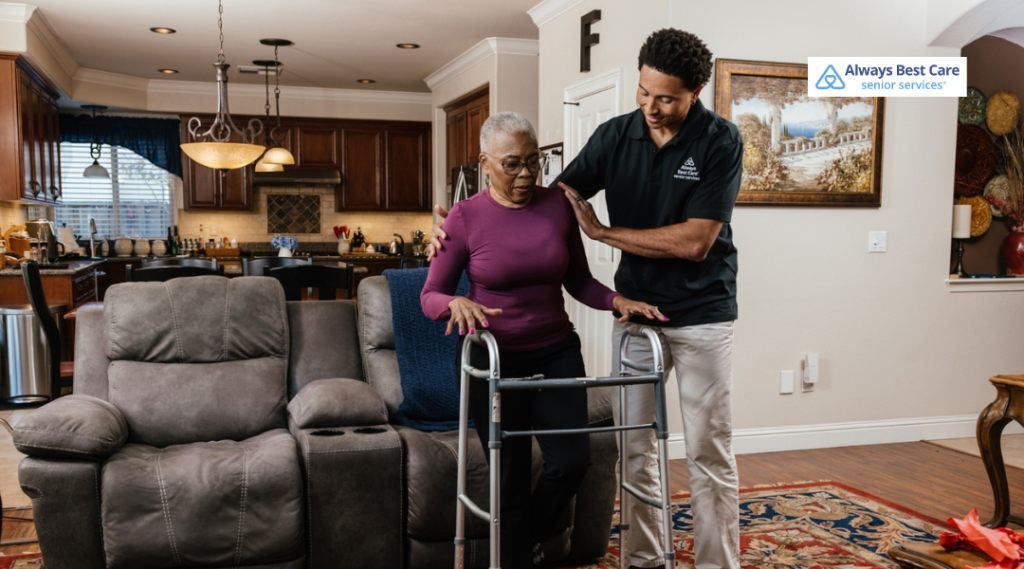
- Practice safe transfers from bed to chair
- Relearn daily tasks step by step
- Rebuild trust in their own bodies and surroundings
That renewed confidence often makes the whole household breathe easier.

FAQs About Occupational Therapy for Irvine Seniors
Q: What does an occupational therapist do for seniors at home?
A: An occupational therapist evaluates how a senior manages daily tasks, identifies safety risks, and teaches practical strategies, exercises, and home modifications to make everyday activities safer and easier.
Q: How is occupational therapy different from physical therapy?
A: Physical therapy often focuses on strength, range of motion, and gait, while occupational therapy concentrates on how those abilities translate into real-life activities such as bathing, dressing, cooking, and moving safely around the home.
Q: Who might benefit from occupational therapy in Irvine?
A: Seniors who’ve had falls, surgery, new mobility issues, early memory changes, or growing fear about daily tasks—like bathing or using stairs—may benefit from an occupational therapy assessment at home.
Q: How long does occupational therapy usually last?
A: The length of therapy varies based on goals and progress. Some seniors see benefits after a few weeks, while others appreciate ongoing check-ins as their needs and abilities change over time.
Q: Can occupational therapy work alongside in-home care services?
A: Yes. Occupational therapists often collaborate with in-home caregivers and families, sharing techniques and recommendations so everyone supports the senior’s safety and independence in a consistent way.

Ready to Talk About Occupational Therapy Support in Irvine?
Aging doesn’t have to mean giving up the home a senior loves or the routines that make each day feel like their own. With the right support, occupational therapy in Irvine can transform everyday obstacles into manageable challenges, giving seniors practical tools to stay safe, engaged, and proudly independent.
By blending professional guidance with real-life home strategies, families gain more than just a checklist—they gain peace of mind that their loved one can keep living life on familiar ground, with confidence and dignity. Contact Always Best Care of Irvine at (949) 705-6501 to learn more and schedule your free consultation.
Link to the markdown version of this blog.