
How Seniors in Irvine, CA Can Lower Their Stroke Risk and Stay Heart-Healthy
Stroke is one of the leading causes of disability and death among older adults in the United States. Yet up to 80% of strokes are considered preventable. For seniors in Irvine, CA, understanding the risk factors and taking consistent, proactive steps can make a profound difference — not just in avoiding stroke, but in maintaining quality of life and independence for years to come.
This guide breaks down the most effective stroke prevention strategies for older adults, along with practical ways caregivers and family members can help.
What you will learn:
- Why seniors face higher stroke risks and how prevention improves independence and quality of life.
- The most effective lifestyle habits for lowering stroke risk — from healthy eating and exercise to managing blood pressure, diabetes, and cholesterol.
- How caregivers and family members can support stroke prevention through consistent daily routines and compassionate care at home.
- Practical, science-backed steps that help older adults in Irvine maintain strong heart and brain health every day.

Table of Contents
Why Seniors Face a Higher Stroke Risk
The risk of stroke roughly doubles every decade after age 55. As the body ages, blood vessels naturally lose elasticity, and the cumulative effects of chronic conditions like high blood pressure, diabetes, and heart disease become more pronounced.
What makes stroke particularly dangerous is how quickly it strikes. Symptoms can appear within seconds, leaving little time to react. That’s why prevention — not just response — is the most powerful tool available to seniors and their families.
Control Blood Pressure: The Single Biggest Factor
High blood pressure is responsible for nearly half of all strokes. When pressure inside the arteries stays elevated, it gradually weakens vessel walls, making them more prone to rupture or blockage.
For seniors, keeping blood pressure in a healthy range requires a consistent, multi-layered approach:
- Monitor regularly — at home with a cuff or during routine medical visits
- Take medications as prescribed — skipping doses, even occasionally, can cause dangerous spikes
- Reduce sodium — processed foods, canned soups, and restaurant meals are common hidden sources
- Stay active — even light daily movement helps lower pressure over time
- Limit alcohol — excessive drinking raises blood pressure significantly
Small, consistent changes in these areas can produce measurable results within weeks.
Manage Diabetes to Protect Blood Vessels
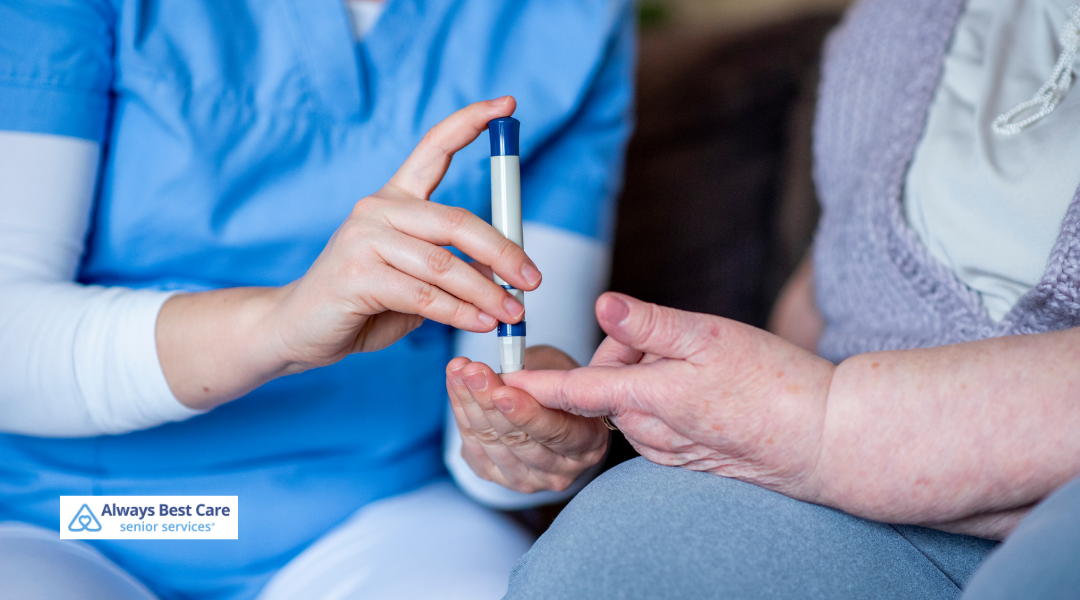
Diabetes damages blood vessels throughout the body, including those supplying the brain. Seniors with uncontrolled blood sugar are significantly more likely to experience a stroke than those who manage their condition effectively.
Key management strategies include:
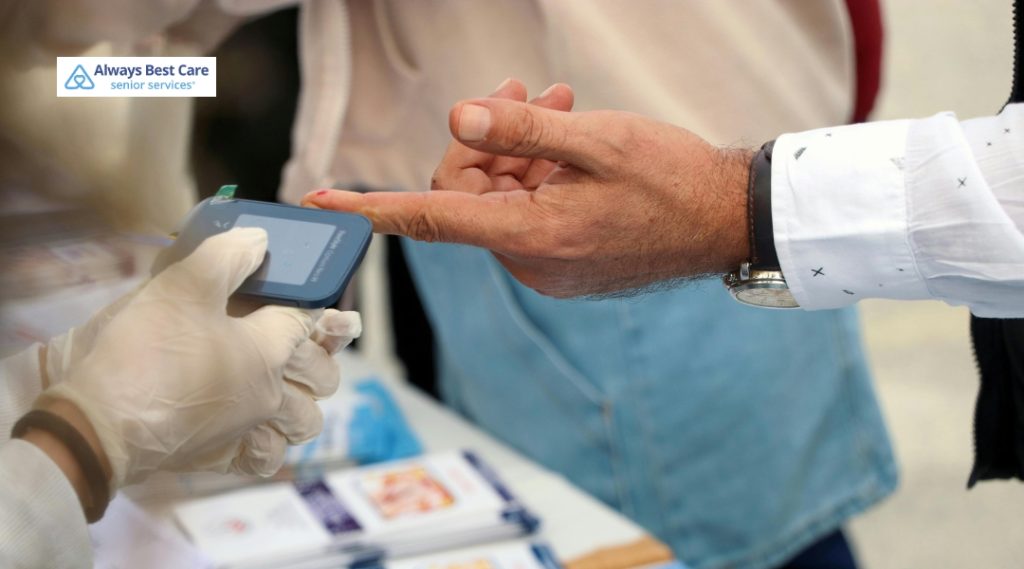
- Checking blood sugar levels consistently and logging results
- Following a meal plan that limits refined sugars and simple carbohydrates
- Staying physically active to improve insulin sensitivity
- Attending regular endocrinology or primary care appointments
Diabetes management is not just about avoiding complications — it’s about preserving the vascular health that keeps the brain functioning well.
Keep Cholesterol in Check
Excess LDL cholesterol contributes to plaque buildup inside artery walls, narrowing the pathways that carry blood to the brain. Over time, this process — known as atherosclerosis — significantly raises stroke risk.
Seniors can support healthy cholesterol levels by:
- Prioritizing fiber-rich foods like oats, legumes, and leafy greens
- Replacing saturated fats with heart-healthy options like olive oil, avocado, and fatty fish
- Following prescribed statin or cholesterol-lowering medication regimens
- Getting cholesterol panels checked at least once a year
Diet and medication together are far more effective than either approach alone.
Move More — Even a Little Goes a Long Way
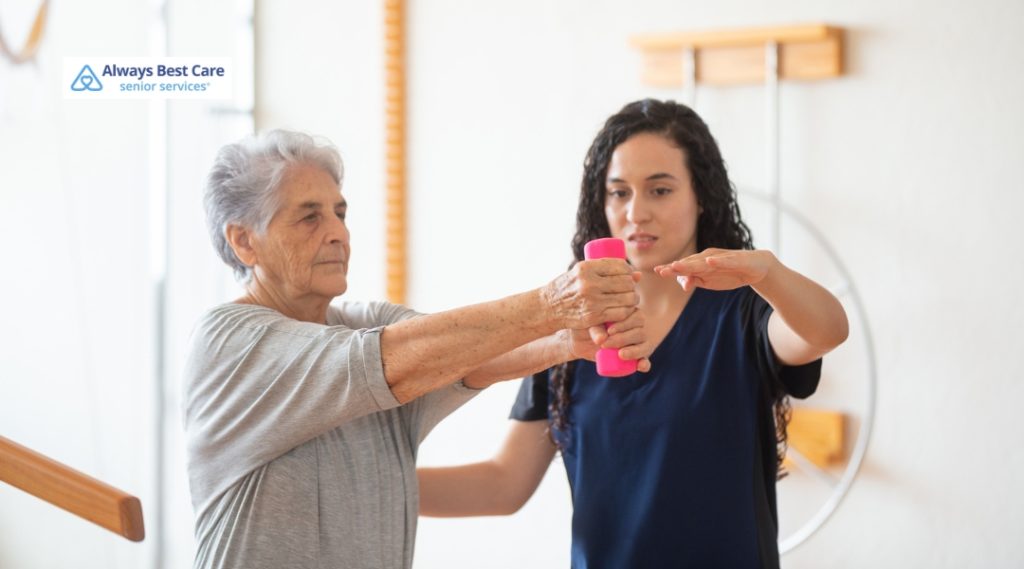
Regular physical activity improves circulation, helps maintain a healthy weight, lowers blood pressure, and reduces inflammation — all of which directly lower stroke risk. The good news for seniors is that intensity matters far less than consistency.
Effective, low-impact options include:
- Daily walks, even just 20–30 minutes
- Chair-based stretching or seated yoga
- Water aerobics or swimming
- Tai chi, which also improves balance and reduces fall risk
- Light gardening or household activity
The goal is simply to reduce prolonged sitting and keep the body moving throughout the day.
Eat for Brain and Heart Health
A nutrient-dense diet is one of the most powerful long-term tools for stroke prevention. Research consistently shows that diets rich in whole foods and low in processed ingredients support healthier blood vessels and lower cardiovascular risk.
A brain-healthy eating pattern for seniors includes:
- Fruits and vegetables — aim for a variety of colors to maximize antioxidant intake
- Whole grains — brown rice, quinoa, and whole wheat over refined options
- Lean proteins — fish (especially fatty fish like salmon), poultry, and legumes
- Healthy fats — olive oil, walnuts, and flaxseed
- Reduced sodium and added sugars — read labels carefully
Staying well-hydrated is equally important, as dehydration can affect blood viscosity and circulation.
The Role of Caregivers in Stroke Prevention
For seniors managing multiple health conditions or living alone, maintaining healthy habits consistently can be genuinely difficult. This is where in-home caregivers provide real, measurable value.
Caregivers support stroke prevention by:
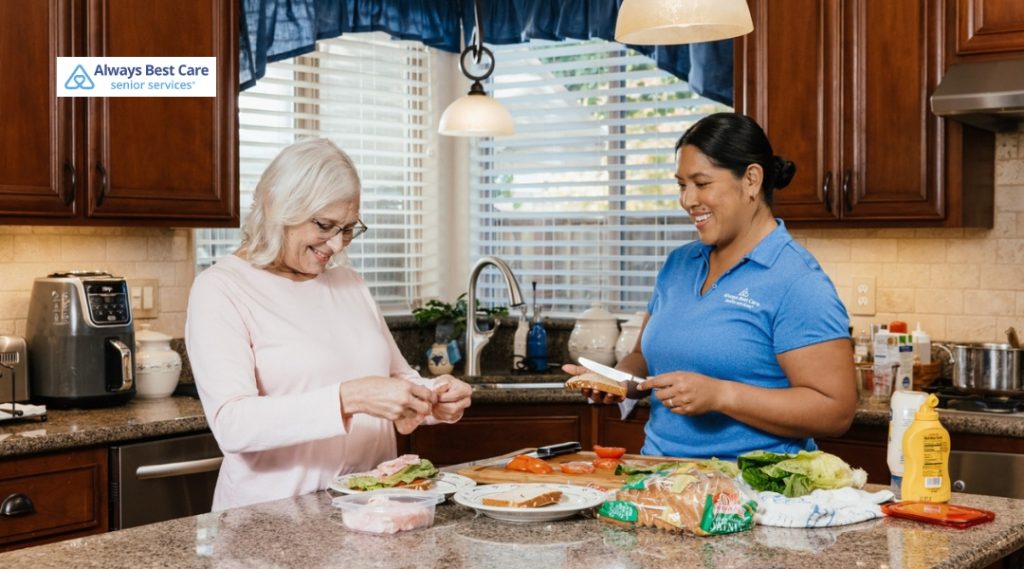
- Preparing balanced, low-sodium meals tailored to dietary needs
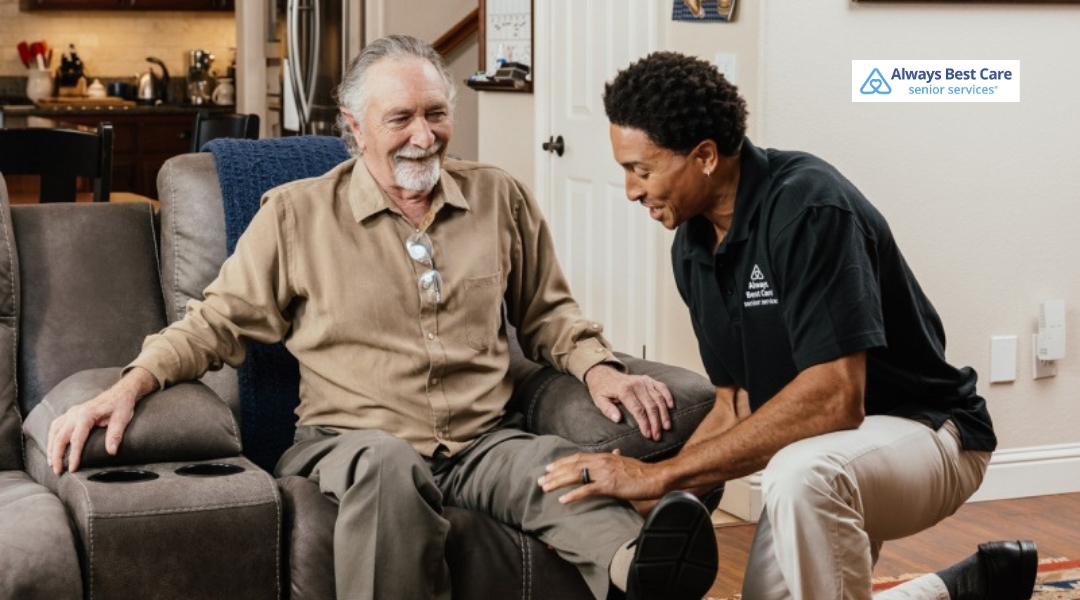
- Accompanying seniors on daily walks or light exercise routines
- Tracking medications and ensuring they are taken on schedule
- Monitoring for warning signs and communicating changes to healthcare providers
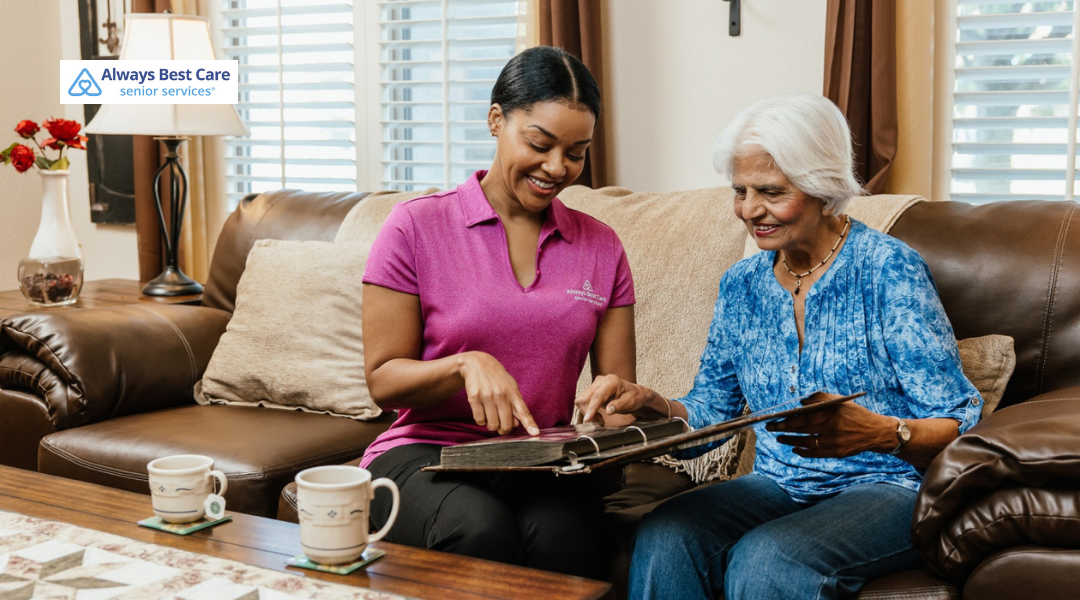
- Reducing isolation, which is itself a risk factor for poor health outcomes
Having consistent, reliable support at home removes many of the barriers that prevent seniors from following through on healthy habits.
Helping Seniors Stay Healthy and Independent in Irvine, CA
Stroke prevention is not a single action — it’s a daily commitment built from small, sustainable habits. Managing blood pressure, staying active, eating well, and keeping chronic conditions under control all work together to protect brain health over time.
At Always Best Care of Irvine, CA, our caregivers are trained to support seniors in building and maintaining these routines at home. Whether your loved one needs help with meals, medication reminders, or simply a companion to encourage daily movement, we’re here to help.
Frequently Asked Questions
Q: What are the most common warning signs of a stroke?
A: The FAST acronym is a helpful guide: Face drooping, Arm weakness, Speech difficulty, and Time to call 911. Other symptoms include sudden vision changes, severe headache, and loss of balance or coordination. If any of these appear, seek emergency care immediately.
Q: At what age should seniors start focusing on stroke prevention?
A: Prevention efforts are most effective when started early, but it’s never too late to begin. Adults over 55 face a significantly higher risk, making regular screenings and lifestyle adjustments especially important from middle age onward.
Q: Can stroke risk be reduced even if someone already has high blood pressure or diabetes?
A: Yes. Effectively managing these conditions — through medication, diet, and lifestyle changes — can substantially lower stroke risk even in seniors who have lived with these diagnoses for years.
Q: How often should seniors have their blood pressure and cholesterol checked?
A: Most healthcare providers recommend blood pressure checks at every routine visit and a cholesterol panel at least once a year. Seniors with existing cardiovascular conditions may need more frequent monitoring.
Q: How can an in-home caregiver help with stroke prevention?
A: Caregivers provide hands-on support with the daily habits that reduce stroke risk — meal preparation, medication management, encouraging physical activity, and monitoring health changes. Their consistent presence makes it easier for seniors to stay on track.

Stay Heart-Healthy with Compassionate In-Home Support
At Always Best Care of Irvine, we help seniors live safer, healthier, and more independent lives with personalized in-home care. Our trained caregivers support daily routines that promote stroke prevention — from nutritious meal preparation to medication reminders and gentle exercise. Contact Always Best Care of Irvine at (949) 705-6501 to learn more and schedule your free consultation.
Link to the markdown version of this blog.