
How Seniors in Irvine, CA, Can Stay Comfortable While Living with COPD
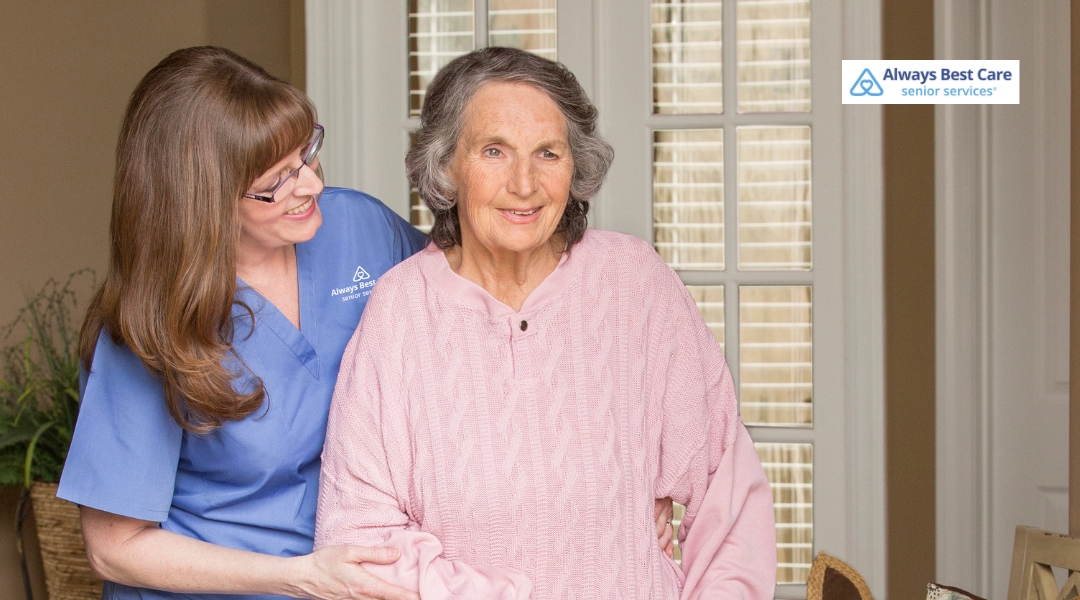
Chronic Obstructive Pulmonary Disease (COPD) is one of the most common long-term respiratory conditions affecting older adults. For seniors, it can mean daily struggles with breathlessness, fatigue, and reduced mobility. But a COPD diagnosis does not have to mean giving up independence or comfort at home.
With the right strategies, consistent routines, and a reliable support system, seniors living with COPD can breathe easier — literally and figuratively. Here is what families and caregivers in Irvine, CA need to know.
What You Will Learn:
- How COPD impacts seniors beyond breathing difficulties.
- Practical ways to manage symptoms and reduce flare-ups at home.
- The importance of air quality, nutrition, and gentle activity.
- How in-home caregivers support comfort, safety, and independence.

Table of Contents
Understanding COPD: More Than Just Shortness of Breath
COPD is an umbrella term for progressive lung diseases, including chronic bronchitis and emphysema, that restrict airflow and make breathing increasingly difficult. What makes COPD particularly challenging for seniors is that its symptoms often develop slowly and are easy to dismiss as “just getting older.”
Key symptoms to recognize:
- Persistent cough or wheezing
- Shortness of breath during everyday tasks
- Chest tightness
- Recurring respiratory infections
- Unexplained fatigue
Early identification matters. The sooner COPD is properly diagnosed and managed, the better the long-term outcomes for seniors.
Practical Strategies for Managing COPD at Home
Managing COPD effectively is about building daily habits that protect lung health and reduce the risk of flare-ups. Here are the most impactful steps seniors and their families can take.
Stick to the Treatment Plan
Inhalers, bronchodilators, and supplemental oxygen are commonly prescribed for COPD. Skipping doses or using equipment incorrectly can lead to rapid symptom deterioration. Caregivers play a critical role in providing medication reminders and helping seniors stay on schedule with their treatment routines.
Prioritize Indoor Air Quality
The air inside the home has a direct impact on COPD symptoms. Dust, pet dander, mold, and chemical fragrances can all trigger flare-ups.
Simple steps to improve air quality:
- Use HEPA air purifiers in frequently used rooms
- Replace HVAC filters regularly
- Avoid aerosol sprays and heavily scented cleaning products
- Keep windows open when outdoor air quality permits
- Eliminate smoking from the home environment entirely
Keep Moving — Gently
It may seem counterintuitive, but staying physically active is one of the best things a senior with COPD can do. Light, consistent movement helps strengthen respiratory muscles and improves overall endurance.
Suitable activities include short walks, seated stretching, and gentle yoga. Always consult a healthcare provider before starting any new exercise routine, and pace activities based on the individual’s current capacity.
Master Breathing Techniques
Two techniques in particular can make a significant difference during moments of breathlessness:
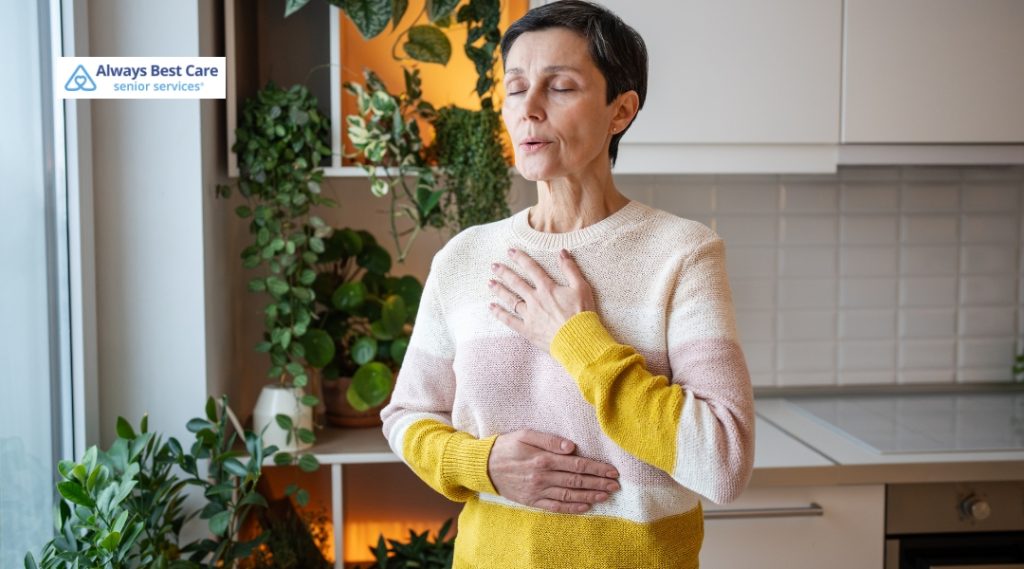
- Pursed-lip breathing: Inhale slowly through the nose, then exhale through pursed lips for twice as long. This slows breathing and keeps airways open longer.
- Diaphragmatic breathing: Focuses on engaging the diaphragm rather than the chest, improving oxygen efficiency.
Practicing these techniques daily — not just during flare-ups — helps seniors build confidence and control over their breathing.
Eat and Hydrate Strategically
Nutrition directly affects respiratory function. Large meals can cause bloating that pushes against the diaphragm and makes breathing harder. Seniors with COPD often benefit from eating smaller, more frequent meals throughout the day.
Staying well-hydrated helps thin mucus secretions, making them easier to clear. A diet rich in fruits, vegetables, lean proteins, and whole grains supports both lung and cardiovascular health.

Knowing When to Seek Medical Attention
COPD symptoms naturally fluctuate, but certain changes signal that something more serious may be developing. Families and caregivers should watch closely for:
- A noticeable increase in breathlessness beyond the usual baseline
- Changes in mucus — particularly if it becomes thicker, darker, or more frequent
- Fever or chills suggesting a respiratory infection
- Swelling in the ankles or legs
- Increased confusion or unusual fatigue
Acting quickly at the first sign of a flare-up can prevent more serious complications and reduce the likelihood of hospitalization.
How Always Best Care of Irvine, CA Supports Seniors with COPD
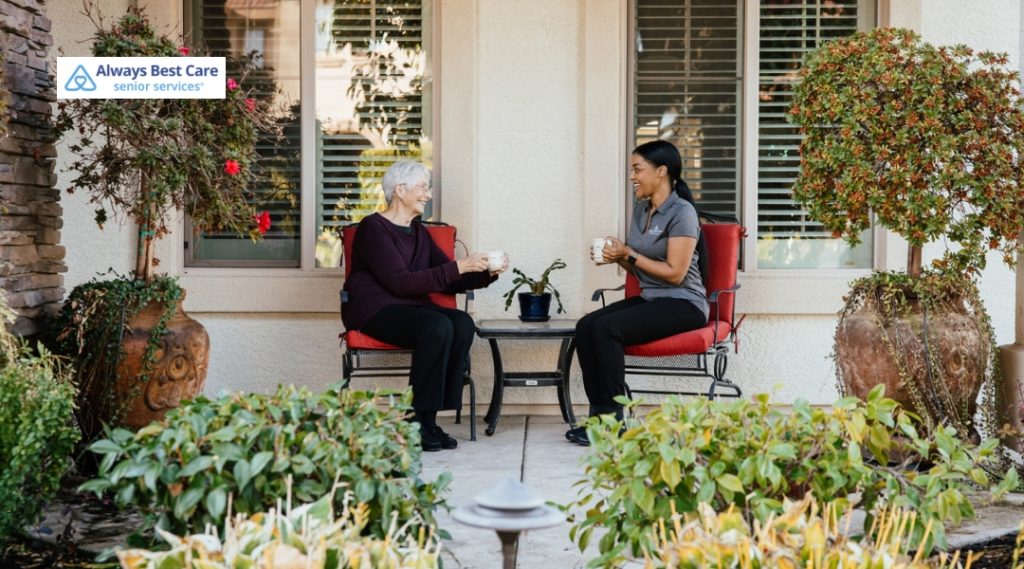
Managing COPD is a daily commitment, and it can be exhausting for both seniors and their families. Always Best Care of Irvine, CA provides personalized, compassionate in-home support that helps seniors stay safe, comfortable, and independent.
Our caregivers can assist with:
- Medication reminders and monitoring for symptom changes
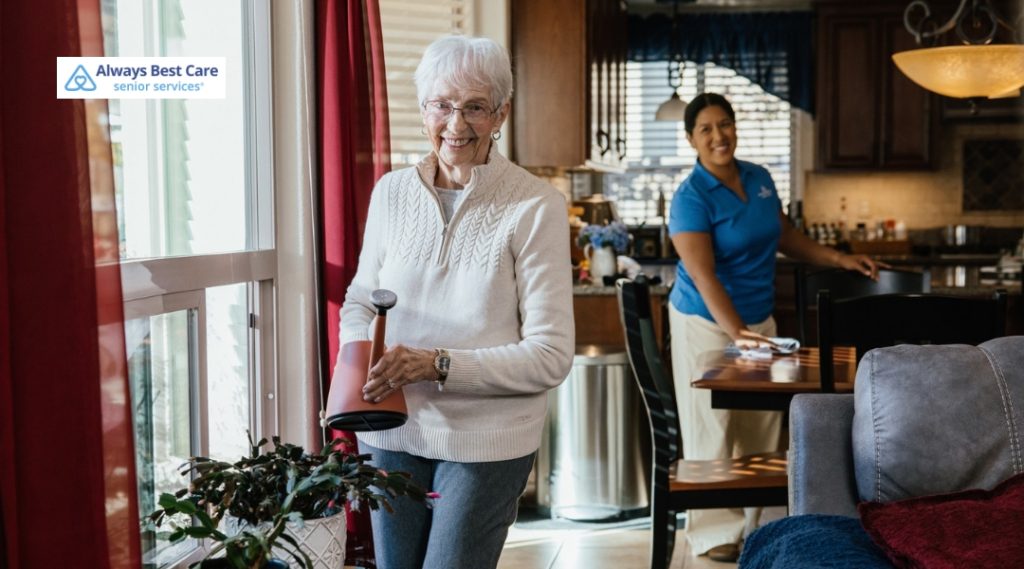
- Light housekeeping to maintain a clean, allergen-reduced environment
- Meal preparation focused on respiratory-friendly nutrition
- Encouragement and assistance with safe physical activity
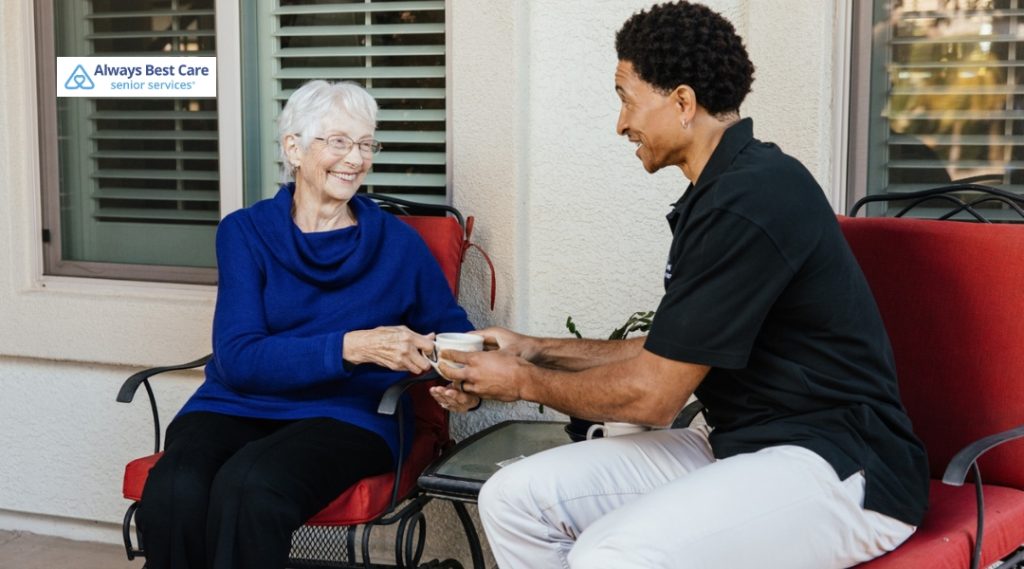
- Companionship to ease anxiety and emotional stress
- Transportation to medical appointments and follow-up visits
For seniors who need a higher level of medical support, our home health services connect families with skilled nursing professionals who work alongside physicians to manage complex care needs.
Frequently Asked Questions About COPD and Senior Home Care
Q: What is the difference between COPD and asthma?
A: Both conditions affect breathing, but they differ in cause and progression. Asthma is often triggered by allergens or irritants and can be fully reversible. COPD is primarily caused by long-term exposure to smoking or pollutants and involves permanent, progressive lung damage. Some seniors may have both conditions simultaneously.
Q: Can COPD be reversed or cured?
A: No. COPD is a progressive condition, meaning lung damage cannot be undone. However, with proper treatment and lifestyle management, symptoms can be significantly controlled and disease progression can be slowed.
Q: Is it safe for a senior with COPD to live alone?
A: It depends on the severity of the condition. Many seniors with mild to moderate COPD can live independently with some additional support in place — such as in-home caregiving, medical alert systems, and regular check-ins from family. As COPD progresses, more consistent supervision may be needed.
Q: How does stress affect COPD symptoms?
A: Stress and anxiety can trigger or worsen breathlessness, creating a cycle that is difficult to break. Seniors with COPD benefit from emotional support, relaxation techniques, and companionship — all of which can help reduce anxiety-related flare-ups.
Q: What role does a caregiver play in COPD management?
A: A caregiver’s role goes beyond basic assistance. They help maintain medication schedules, monitor for warning signs, keep the home environment clean and safe, provide emotional support, and ensure the senior stays connected to their healthcare team. This consistent presence can be the difference between managing COPD well and experiencing frequent hospitalizations.
Q: When should a family consider professional in-home care for a loved one with COPD?
A: If a senior is struggling to keep up with medications, experiencing frequent flare-ups, showing signs of depression or isolation, or having difficulty with daily tasks like cooking and cleaning, it is time to consider professional support. Early intervention leads to better outcomes.
Helping Seniors Thrive — Not Just Cope
A COPD diagnosis changes daily life, but it does not have to diminish it. Seniors who have consistent routines, clean living environments, and dependable support around them are far better positioned to manage their symptoms and maintain a meaningful quality of life.
Families in Irvine, CA do not have to figure this out alone. Always Best Care is here to provide the guidance, hands-on support, and peace of mind that makes a real difference every day.
Contact Always Best Care of Irvine at (949) 705-6501 to learn more and schedule your free consultation.
Link to the markdown version of this blog.