

Respiratory Health for Seniors: Simple Ways to Support Easier Breathing in Irvine, CA

For many older adults, breathing becomes more of a conscious effort with each passing year. Whether it’s climbing a flight of stairs, keeping up with grandchildren, or simply getting through a full night’s sleep, respiratory health quietly shapes the quality of everyday life. In Irvine, CA—where warm, dry summers and seasonal allergens are part of the landscape—seniors and their families benefit from understanding how to protect lung health at home and beyond.
What You Will Learn:
- How aging affects lung function and breathing in seniors.
- Common respiratory conditions and risk factors to watch for.
- Practical ways to improve indoor air quality and daily habits.
- How caregivers support respiratory health and independence.

Table of Contents
How Aging Affects the Respiratory System
Lung function peaks in early adulthood and gradually declines with age. The diaphragm and chest muscles weaken, lung tissue loses elasticity, and the airways become less effective at filtering out irritants. These changes don’t happen overnight, but over time they can leave seniors more vulnerable to illness, fatigue, and reduced stamina.
Common respiratory conditions affecting older adults include:
- Chronic obstructive pulmonary disease (COPD)
- Asthma
- Pneumonia
- Bronchitis
- Sleep apnea
- Reduced lung capacity
What makes these conditions particularly challenging is how they compound one another. A senior managing COPD may also struggle with poor sleep, which weakens the immune system, making respiratory infections harder to fight off. Early awareness and consistent management make a meaningful difference.
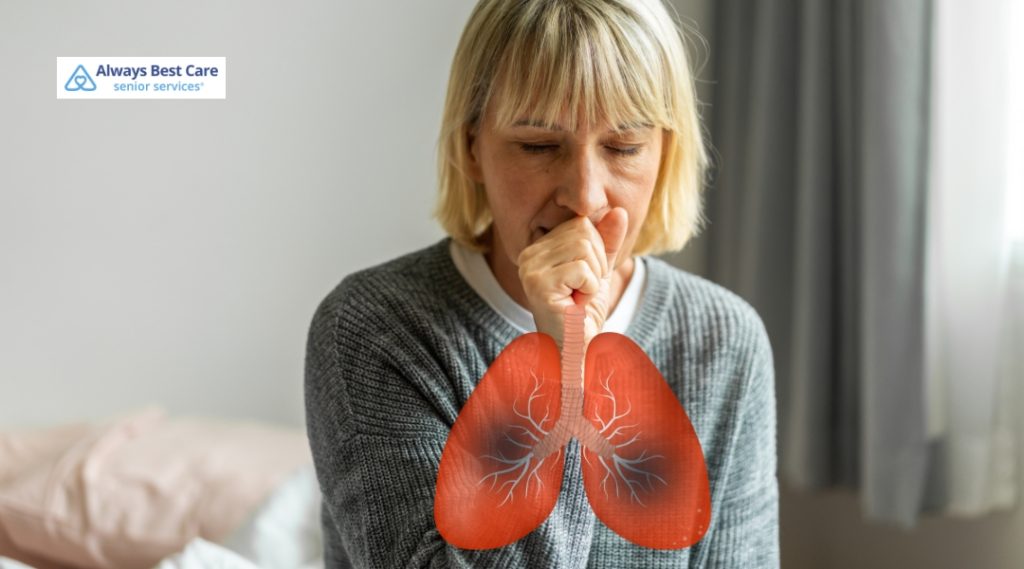
Building a Lung-Friendly Home Environment
The air inside a home can be more polluted than outdoor air—especially in older residences or those with pets, carpeting, or poor ventilation. For seniors with respiratory sensitivities, the home environment deserves close attention.
Practical steps to improve indoor air quality:
- Replace HVAC filters every 1–3 months
- Use HEPA air purifiers in bedrooms and main living areas
- Keep windows open when outdoor air quality permits
- Eliminate or minimize exposure to tobacco smoke, candles, and strong chemical cleaners
- Vacuum regularly using a vacuum with a HEPA filter
- Monitor indoor humidity—ideally between 30% and 50%—to prevent mold growth and dry airway irritation
In Irvine, seasonal Santa Ana winds can spike outdoor particulate levels. On high-alert air quality days, keeping windows closed and relying on air purifiers is a smart precaution for seniors with chronic respiratory conditions.

Daily Habits That Strengthen Lung Health
Lifestyle choices have a direct impact on how well the lungs function over time. The good news is that even modest, consistent habits can yield real improvements.
Encourage seniors to build these routines:
- Stay active. Light aerobic activity—walking, swimming, or gentle cycling—helps maintain lung capacity and cardiovascular health. Irvine’s extensive trail network and mild winters make year-round outdoor activity accessible.
- Practice breathing exercises. Pursed-lip breathing and diaphragmatic breathing can improve oxygen exchange and reduce breathlessness during activity.
- Stay hydrated. Adequate fluid intake keeps mucus thin and airways clear, reducing the risk of congestion and infection.
- Eat for lung health. A diet rich in antioxidants—leafy greens, berries, nuts, and whole grains—supports immune function and reduces airway inflammation.
- Stay current on vaccinations. Annual flu shots and pneumonia vaccines are among the most effective tools for preventing serious respiratory illness in older adults.
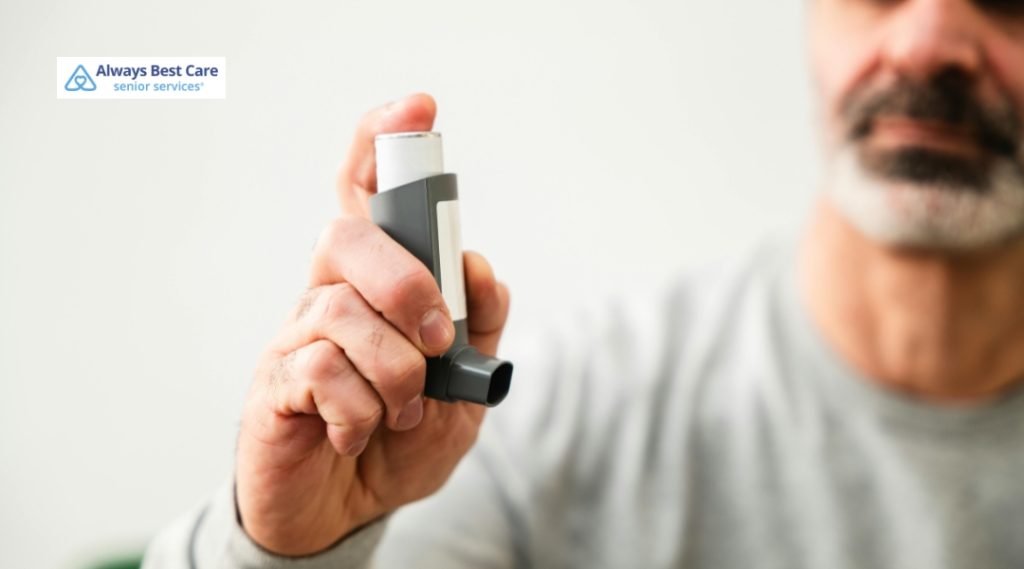
Managing Chronic Respiratory Conditions
For seniors already living with a respiratory diagnosis, daily management is non-negotiable. Inconsistent medication use, missed appointments, or overlooked symptoms can quickly escalate into a serious health event.
Effective management includes:
- Taking all prescribed medications on schedule, including maintenance inhalers
- Using oxygen therapy equipment correctly and consistently
- Keeping a simple symptom log to track changes in breathing, energy, or coughing patterns
- Scheduling regular follow-ups with a pulmonologist or primary care provider
- Having an action plan in place for flare-ups
Family members and caregivers play a critical role here. Helping a senior remember medications, recognize warning signs, and get to appointments on time can prevent hospitalizations and support a better quality of life.
Warning Signs That Require Immediate Attention
Knowing when to act quickly can be lifesaving. Seek medical care right away if a senior experiences:
- Sudden or worsening shortness of breath
- Persistent wheezing or a new, productive cough
- Chest tightness or pain
- Unusual fatigue, confusion, or disorientation
- Bluish tint to the lips, fingernails, or fingertips
These symptoms may indicate a respiratory infection, exacerbation of a chronic condition, or a more serious cardiac or pulmonary event. When in doubt, err on the side of caution.

How Always Best Care of Irvine Supports Respiratory Health
Maintaining respiratory health at home requires consistency—and that’s where professional in-home care makes a real difference. Always Best Care of Irvine provides compassionate, reliable support tailored to each senior’s needs.
Our caregivers can help with:
- Medication reminders to ensure prescriptions are taken as directed
- Light housekeeping to reduce dust, allergens, and indoor pollutants
- Meal preparation focused on nutritious, lung-supportive foods
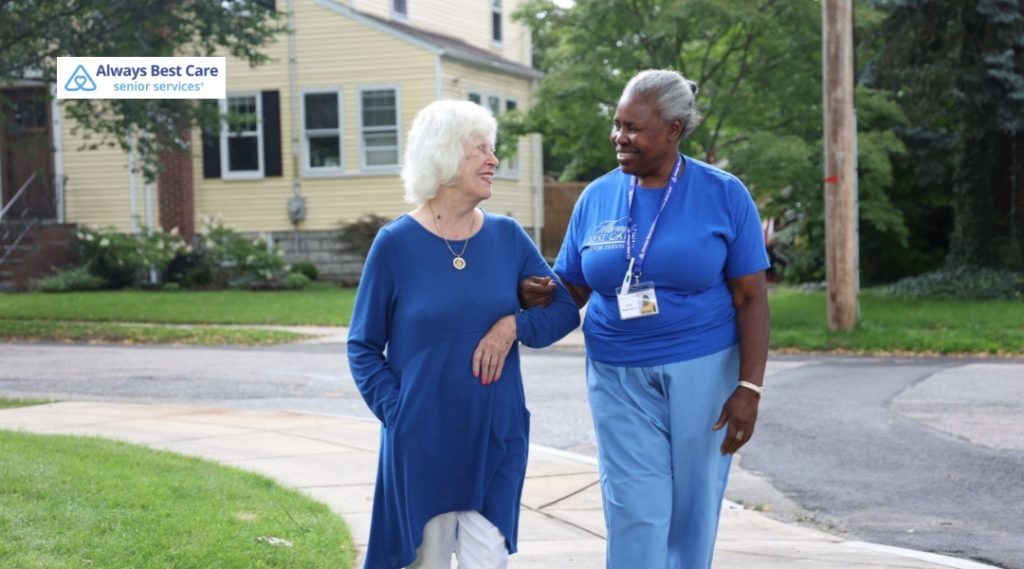
- Encouraging and accompanying seniors during safe physical activity
- Transportation to medical appointments and follow-up visits
- Companionship that reduces stress—a known contributor to respiratory flare-ups
For seniors who need a higher level of medical support, our home health services connect skilled nursing professionals with families navigating complex care needs.
Families don’t have to manage this alone. With the right support in place, seniors can breathe easier—literally and figuratively.
Frequently Asked Questions
Q: What is the most common respiratory condition in seniors?
A: COPD is one of the most prevalent, but asthma, pneumonia, and sleep apnea are also common among older adults. Many seniors live with more than one respiratory condition simultaneously, which is why comprehensive management matters.
Q: Can lung function improve with age, or only decline?
A: While some age-related decline is inevitable, consistent exercise, healthy habits, and proper medical management can slow the progression and even improve functional capacity. Breathing exercises, in particular, have been shown to strengthen respiratory muscles and improve oxygen efficiency.
Q: How do I know if indoor air quality is affecting my loved one’s breathing?
A: Watch for symptoms that worsen at home but improve outdoors, such as increased coughing, congestion, or eye irritation. An indoor air quality monitor can help identify elevated levels of particulates, humidity, or volatile organic compounds (VOCs).
Q: Are there specific risks for seniors in Irvine related to air quality?
A: Yes. Irvine and the broader Southern California region experience seasonal wildfire smoke and Santa Ana wind events that can significantly elevate particulate matter levels. Seniors with chronic respiratory conditions should monitor the AirNow index and limit outdoor exposure on poor air quality days.
Q: How can a caregiver help a senior with a respiratory condition?
A: Caregivers provide hands-on support with medication reminders, housekeeping, meal prep, and transportation—all of which contribute to better respiratory outcomes. They also serve as an important first line of observation, noticing changes in symptoms before they become emergencies.
Support Better Breathing and Comfort at Home
At Always Best Care of Irvine, we provide compassionate in-home care for seniors managing respiratory conditions and chronic health needs. From medication reminders and meal preparation to maintaining a clean, low-irritant home environment, our caregivers help seniors stay safe, comfortable, and independent.
Contact Always Best Care of Irvine at (949) 705-6501 to learn more and schedule your free consultation.
Link to the markdown version of this blog.