

Companionship and Cognitive Health: How Irvine Seniors Stay Engaged and Connected

Even in a beautiful, active community like Irvine, many seniors spend long stretches of the day alone. When mobility changes, driving stops, or friends move away, social circles can quietly shrink. For seniors living with memory challenges, that isolation doesn’t just feel lonely—it can make thinking feel foggier and mood more fragile.
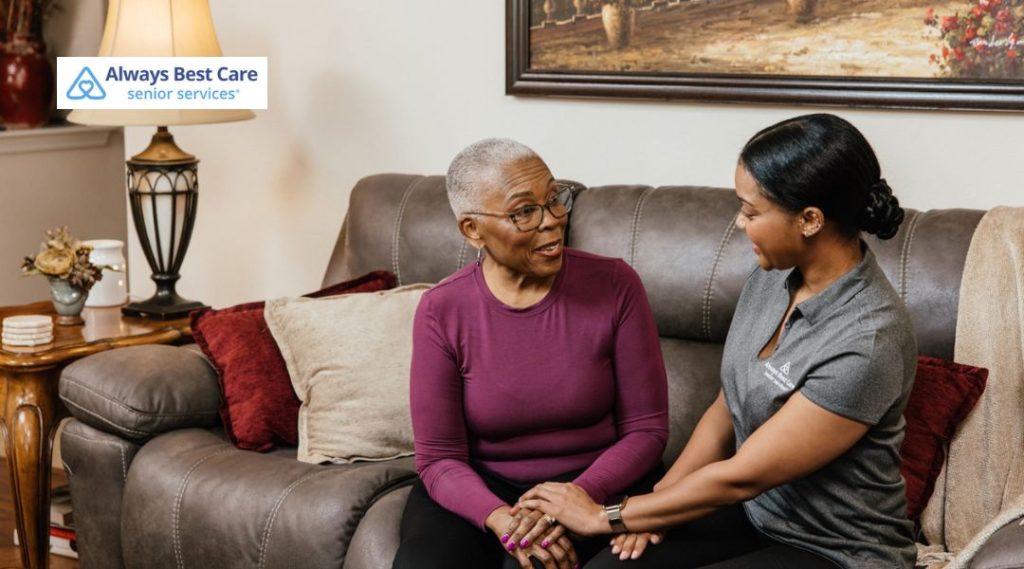
Companionship services bring human connection back into everyday life. With regular visits, shared activities, and simple conversation, Irvine seniors can stay more engaged with the world around them, while families gain the reassurance that their loved one isn’t facing the day in silence.
What You Will Learn:
- How social interaction supports cognitive health and memory.
- Why companionship reduces isolation and emotional decline.
- Examples of activities that keep seniors mentally engaged.
- How companionship services support both seniors and families.

Table of Contents
How Social Interaction Supports Cognitive Health
The brain thrives on use. Conversation, laughter, storytelling, and shared decisions all give it something to “work on.” When those moments fade, it’s easy for mental sharpness and emotional resilience to slip, especially for someone already dealing with memory changes.
Regular companionship can help:
- Stimulate memory through conversation and reminiscing.
- Keep language skills active by talking, reading, and listening together.
- Encourage attention and problem-solving through games and simple planning.
- Reduce the stress and depression that often worsen cognitive symptoms.
While companionship isn’t a cure, it’s a gentle way to support brain health day after day.

Reducing Isolation for Irvine Seniors With Memory Challenges
Memory loss can be embarrassing and frustrating. Seniors may worry about repeating themselves, forgetting words, or getting confused in social situations—so they stay home more and talk less. Unfortunately, that withdrawal often makes things worse.
A consistent companion helps break that cycle by:
- Showing up on a regular schedule, so the senior knows someone is coming just for them.
- Offering patient, judgment-free conversation, even when stories repeat.
- Encouraging safe, manageable outings—like a short walk, a drive through familiar neighborhoods, or a quiet visit to a favorite spot.
- Bringing the outside world in through news, photos, music, and shared updates from family.
Bit by bit, days feel less empty and more connected.

Everyday Activities That Stimulate the Mind
Companionship works best when it fits the senior’s interests and abilities. The goal isn’t to push; it’s to invite participation in ways that feel comfortable and meaningful.
A companion in Irvine might:
- Talk about family history while looking through photo albums.
- Play simple card games, dominoes, or checkers.
- Do word searches, easy crosswords, or matching games together.
- Read aloud from books, devotionals, magazines, or local news.
- Help with light “thinking tasks” like sorting items, organizing a drawer, or planning a small project.
These small moments add up to steady mental stimulation woven into an ordinary day.

Emotional Support: Feeling Heard, Not Just Helped
Cognitive changes almost always come with emotional ones. Worry, sadness, irritability, and fear of “losing myself” are common—and hard to carry alone. Companionship gives seniors a safe place to express those feelings.
A good companion:
- Listens without rushing to correct every detail or memory slip.
- Offers calm reassurance during moments of confusion or frustration.
- Celebrates small wins—remembering a name, finishing a puzzle, taking a walk.
- Helps the senior feel like a person with a story and opinions, not just someone being “looked after.”
That emotional steadiness can make it easier for seniors to cope with the ups and downs of living with memory challenges.

Supporting Daily Structure Without Taking Over
Routine and structure are especially important when memory is changing. At the same time, seniors need chances to do what they still can, so they don’t feel sidelined in their own lives.
Companions can:
- Arrive at consistent times to anchor the day.
- Provide gentle reminders for meals, hydration, and medications (as directed by the care plan).
- Encourage participation in everyday tasks—folding towels, watering plants, setting the table—rather than doing everything themselves.
- Help maintain simple daily rhythms: morning wash-up, mid-day activity, afternoon rest, evening wind-down.
This balance preserves independence where possible while still offering the safety net of regular support.
How Companionship Services Work With Families in Irvine
Companionship doesn’t replace family connection; it strengthens it. Many families in Irvine juggle work, children, and busy schedules, making it hard to provide constant social interaction even when they deeply want to.
Professional companions can:
- Fill in the gaps between family visits, so seniors have consistent company throughout the week.
- Share updates with families about mood, appetite, energy, and any notable changes.
- Support family-established routines and preferences, rather than imposing a one-size-fits-all plan.
- Provide respite time, allowing caregivers to rest or handle other responsibilities without worrying that their loved one is alone.
Together, families and companions create a web of support that keeps seniors more engaged and less isolated.
Signs an Irvine Senior May Benefit From Companionship
It may be time to consider companionship if you notice that your loved one:
- Spends most days alone with little meaningful interaction.
- Talks less, seems more withdrawn, or often says “I don’t want to be a bother.”
- Has early memory changes and appears more confused or anxious when alone.
- Has lost interest in hobbies, clubs, or social activities they once enjoyed.
- Brightens noticeably when someone visits—but those visits are infrequent.
Introducing companionship at this stage often feels like relief—for the senior and the family.
FAQs: Companionship and Cognitive Health for Irvine Seniors
Q: How does companionship specifically help seniors with memory challenges?
A: Companionship provides regular conversation, shared activities, and gentle reminders that exercise thinking skills while easing feelings of isolation, embarrassment, and fear. Together, these supports can make cognitive symptoms feel more manageable day to day.
Q: What if my loved one thinks they “don’t need” company?
A: You can frame companionship as “a little extra help for both of us” or “someone to do things with you when I’m at work,” rather than as a sign of weakness. Starting with shorter, low-pressure visits often helps build comfort and trust.
Q: Can companions handle behavior changes related to memory loss?
A: Companions trained in working with memory challenges learn to respond calmly to repetition, confusion, and mood shifts. They use reassurance, redirection, and familiar activities to reduce agitation and keep interactions positive.
Q: Is companionship only helpful at home, or can it include outings?
A: Both. Companions can spend time at home and, when appropriate and safe, accompany seniors on simple outings—walks, drives, appointments, or visits to familiar places—providing support and confidence outside the house.
Q: How often should a senior receive companionship visits?
A: The ideal frequency depends on how much time they spend alone and how they’re coping. Some seniors benefit from a few visits per week; others thrive with daily or near-daily companionship. Families can adjust the schedule as needs change.

Connection Is a Kind of Medicine
For Irvine seniors, especially those living with memory challenges, companionship is more than pleasant company—it’s a lifeline for the mind and heart. Regular social interaction helps keep thoughts moving, feelings shared, and days filled with moments of purpose and joy.
By weaving companionship into your loved one’s week—through family, friends, and professional services—you offer something powerful: the steady message that they are seen, valued, and never truly alone in what they’re facing. Contact Always Best Care of Irvine at (949) 705-6501 to learn more and schedule your free consultation.
Link to the markdown version of this blog.