

Helping Aging Loved Ones Stay Nourished in Irvine, CA

For many families, one of the quieter concerns that comes with caring for an aging loved one is a gradual shift in eating habits. A parent who once looked forward to meals may now push food around the plate, skip breakfast without a second thought, or seem indifferent to foods they once loved. These changes can be easy to dismiss, but when they persist, they deserve attention.
Nutrition is one of the most powerful tools seniors have for maintaining their health, energy, and independence. Understanding what drives appetite loss — and how to address it — can make a meaningful difference in a senior’s quality of life.
What You Will Learn:
- Why appetite loss happens in seniors and common contributing factors.
- The health risks of poor nutrition, including weight loss and fatigue.
- Practical strategies to improve eating habits and meal enjoyment.
- How caregivers and home care support consistent nutrition and well-being.
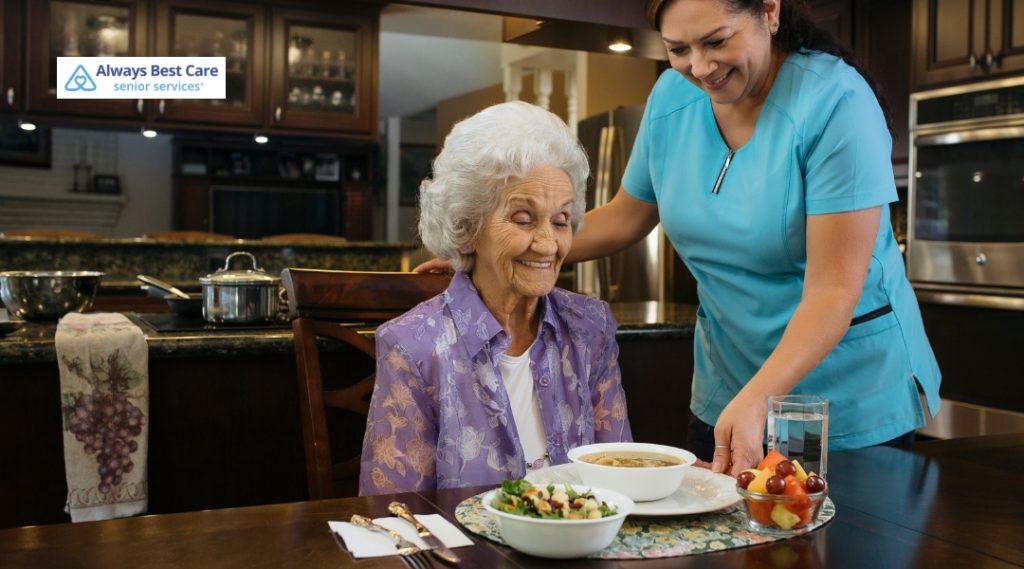
Table of Contents
Why Seniors Lose Their Appetite
Appetite changes in older adults rarely have a single cause. More often, several factors overlap and compound one another.
Physiologically, aging brings a natural decline in the senses of taste and smell, which can make food less appealing. Digestion slows, metabolism decreases, and the body’s hunger signals become less reliable. Seniors may genuinely feel full after eating very little, even when their nutritional needs haven’t been met.
Beyond biology, other common contributors include:
- Medication side effects — Many prescriptions affect appetite, taste perception, or cause nausea
- Dental issues — Pain, ill-fitting dentures, or difficulty chewing can make eating uncomfortable
- Swallowing difficulties — A condition known as dysphagia affects many older adults and can make mealtimes stressful
- Chronic illness — Conditions like heart disease, diabetes, or kidney disease often suppress appetite
- Mental health — Depression, anxiety, and grief are frequently overlooked causes of poor appetite in seniors
- Cognitive decline — Seniors with dementia may forget to eat, lose interest in food, or struggle to recognize hunger
Because these factors often interact, a comprehensive approach — rather than a single fix — tends to be most effective.
What’s at Stake: The Real Risks of Poor Nutrition
Nutritional deficiencies don’t always announce themselves dramatically. They tend to develop gradually, making them easy to overlook until the effects become significant.
When seniors consistently eat too little, the consequences can include:
- Unintended weight loss and muscle wasting
- Increased vulnerability to falls and fractures
- Slower recovery from illness, surgery, or injury
- Weakened immune response
- Fatigue that limits daily activity
- Cognitive changes, including increased confusion
Even a modest, consistent shortfall in calories or key nutrients can erode a senior’s ability to stay active and independent over time. That’s why early intervention matters.
Practical Strategies to Encourage Better Eating
Improving a senior’s nutrition doesn’t always require dramatic changes. Often, small, thoughtful adjustments yield the best results.
Rethink meal structure. Rather than three large meals, many seniors do better with five or six smaller meals and snacks throughout the day. Smaller portions feel less overwhelming and can help seniors consume more overall.
Prioritize nutrient density. When appetite is limited, every bite should count. Focus on foods that deliver high nutritional value in smaller servings — eggs, Greek yogurt, nut butters, avocado, lean proteins, beans, and whole grains are excellent choices.
Enhance flavor naturally. Since taste and smell often diminish with age, using fresh herbs, citrus, and aromatic spices can make food more appealing without relying on excess salt or sugar.
Make meals visually inviting. Colorful plates with varied textures are more stimulating and enjoyable. Presentation matters more than many people realize.
Create a consistent routine. Eating at regular times each day helps regulate hunger cues and establishes a predictable rhythm that many seniors find comforting.
The Social Side of Eating
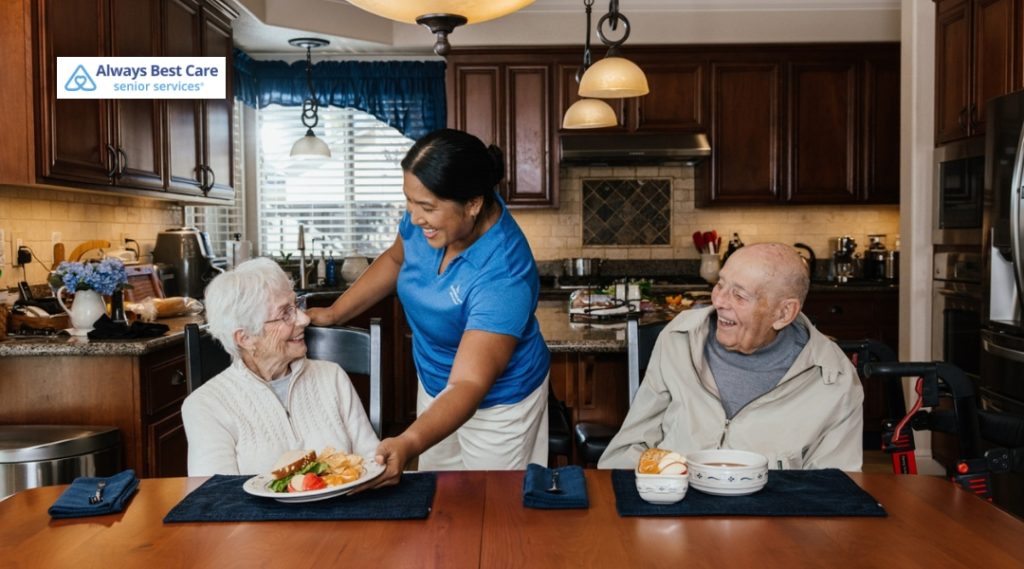
One of the most underestimated factors in senior nutrition is loneliness. Research consistently shows that older adults who eat alone consume less food and have poorer dietary quality than those who share meals with others.
Mealtime is inherently social. When that social element disappears — due to the loss of a spouse, distance from family, or reduced mobility — eating can start to feel like a chore rather than a pleasure.
Simple changes can help. Sharing a meal with a family member a few times a week, joining a community dining program, or having a caregiver present during mealtimes can significantly improve both appetite and enjoyment. In Irvine, CA, there are local senior centers and community programs that offer group dining opportunities worth exploring.
When to Seek Medical Guidance
Not all appetite changes are benign. Certain signs warrant a prompt conversation with a healthcare provider:
- Noticeable, unintentional weight loss over a short period
- Difficulty or pain when chewing or swallowing
- Sudden changes in mood, behavior, or cognitive function
- Persistent nausea, vomiting, or digestive discomfort
- A complete disinterest in food that lasts more than a week or two
A physician can assess whether an underlying condition, medication interaction, or dental issue is contributing to the problem — and recommend appropriate interventions.
How Always Best Care of Irvine, CA Can Help
For families navigating these challenges, professional in-home care can provide consistent, practical support that makes a real difference.
Always Best Care caregivers assist seniors with:
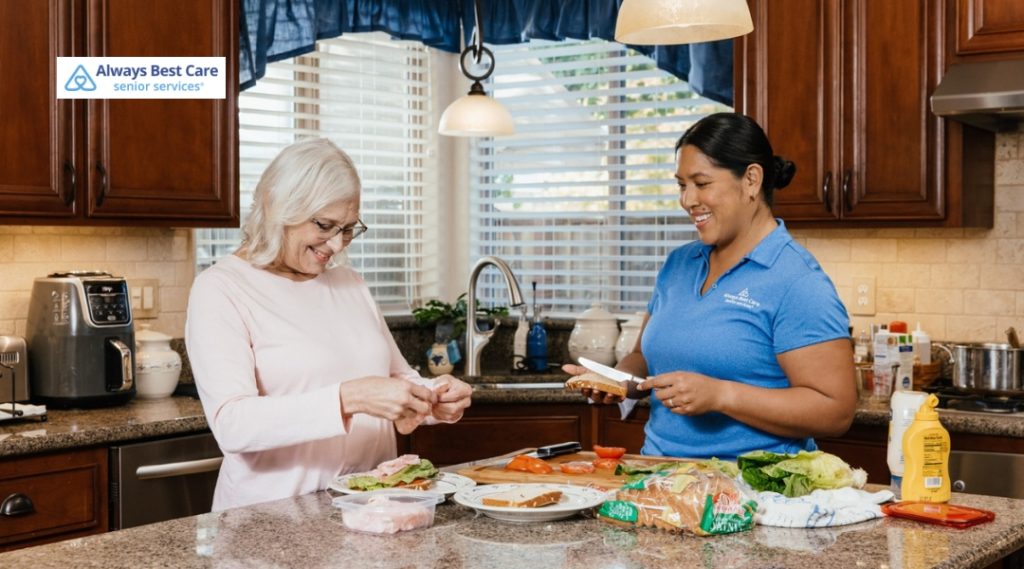
- Meal planning and preparation tailored to individual preferences and dietary needs
- Grocery shopping to ensure nutritious options are always available
- Hydration monitoring, since dehydration often accompanies poor appetite
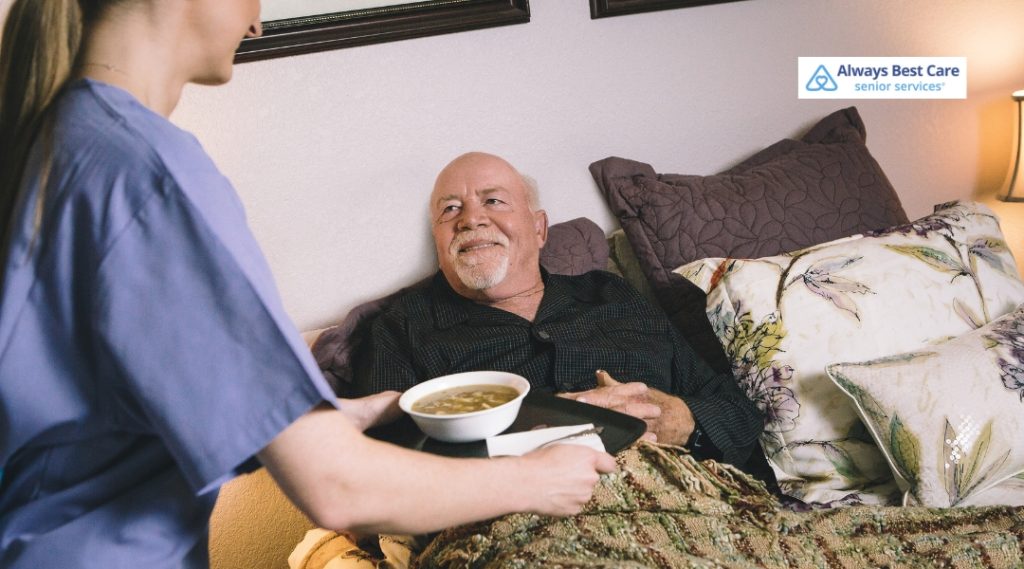
- Mealtime companionship to make eating a more enjoyable, social experience
- Appetite and intake monitoring, with regular communication to family members about any concerns
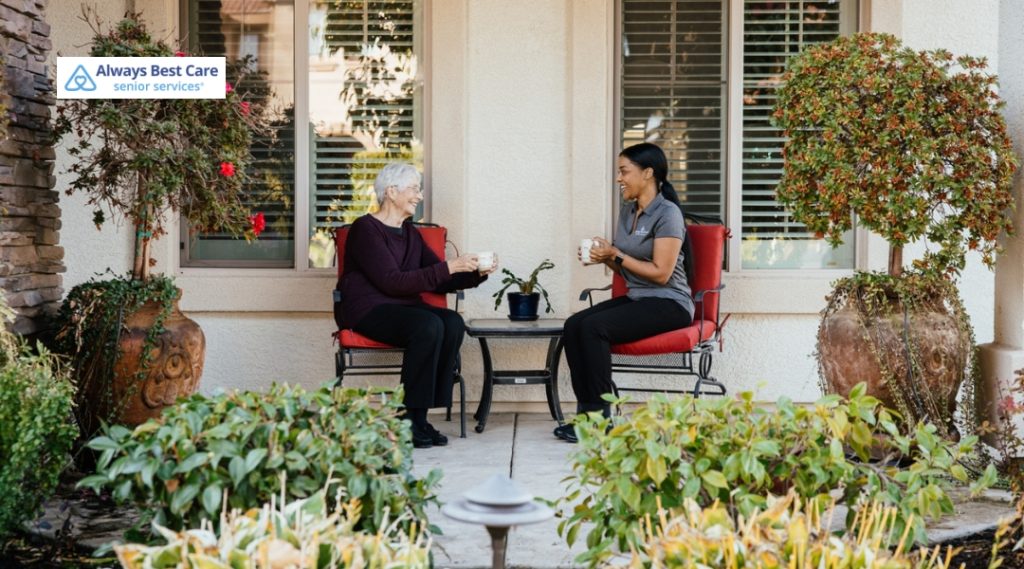
Having a caregiver present at mealtimes isn’t just about logistics — it’s about connection. That human presence can be the difference between a senior eating a full meal or skipping it entirely.
Frequently Asked Questions
Q: How much weight loss in a senior is considered concerning?
A: A loss of 5% or more of body weight over six to twelve months is generally considered clinically significant and warrants medical evaluation. Even smaller losses can be concerning if they occur rapidly or alongside other symptoms.
Q: Are appetite supplements or protein shakes helpful for seniors?
A: They can be a useful short-term bridge, particularly for seniors who struggle to meet caloric needs through food alone. However, they work best as a supplement to — not a replacement for — whole foods. A registered dietitian can help determine the right approach.
Q: What foods are best when a senior has very little appetite?
A: Focus on calorie- and nutrient-dense options in small portions: eggs, nut butters, full-fat Greek yogurt, avocado, smoothies with added protein, and fortified cereals. Soft textures are often easier to manage and more appealing.
Q: Can depression cause appetite loss in seniors?
A: Yes, and it’s one of the most common — and most overlooked — causes. Depression significantly affects appetite and motivation to eat. If you notice mood changes alongside reduced food intake, speak with a healthcare provider about a mental health evaluation.
Q: How can I help a parent who refuses to eat?
A: Avoid pressure, which often backfires. Instead, offer favorite foods, eat together when possible, keep portions small and inviting, and consult a doctor to rule out underlying causes. A caregiver experienced in senior nutrition can also provide valuable support and consistency.
Support Your Loved One’s Nutrition and Independence
At Always Best Care of Irvine, we help seniors maintain healthy eating habits with compassionate, personalized in-home care. From meal planning and grocery shopping to preparation and companionship at mealtimes, our caregivers make it easier for your loved one to stay nourished, strong, and independent at home.
Contact Always Best Care of Irvine at (949) 705-6501 to learn more and schedule your free consultation.
Link to the markdown version of this blog.