
Creating a Safe Home Environment for Stroke Survivors in Irvine
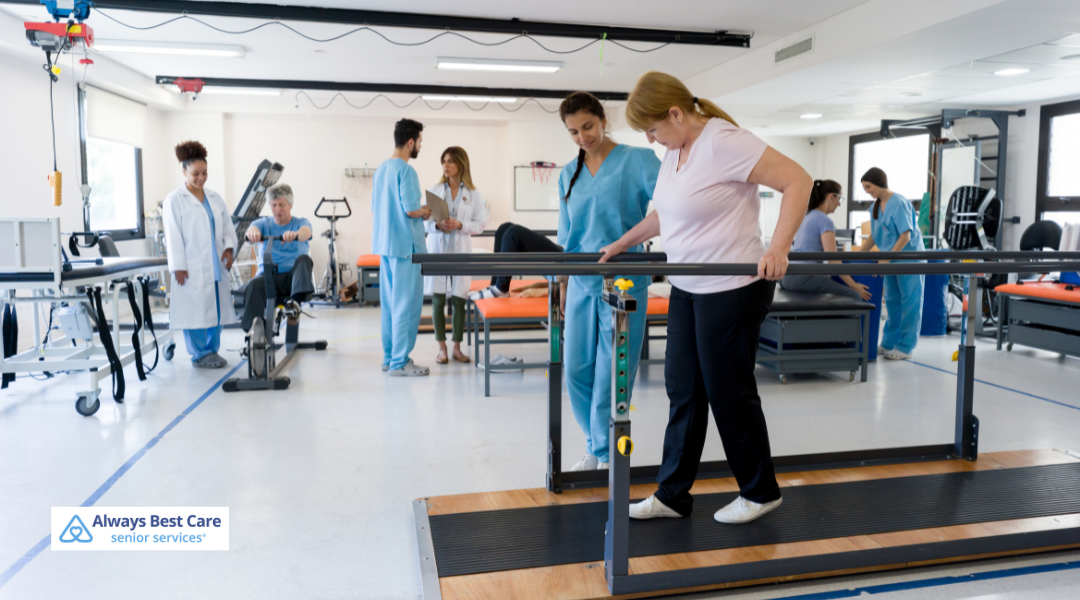
Coming home after a stroke is an important step in recovery. Familiar surroundings can be comforting, but a house that once felt easy to move through may now hold new challenges.
A stroke can affect balance, strength, coordination, vision, and attention. A loose rug, a dim hallway, or a high shelf can suddenly become a fall risk or a source of frustration. Small changes to the home can help your loved one move around more safely and do more for themselves.
For Irvine families, preparing the home ahead of discharge, or soon after, can make the transition smoother for everyone.
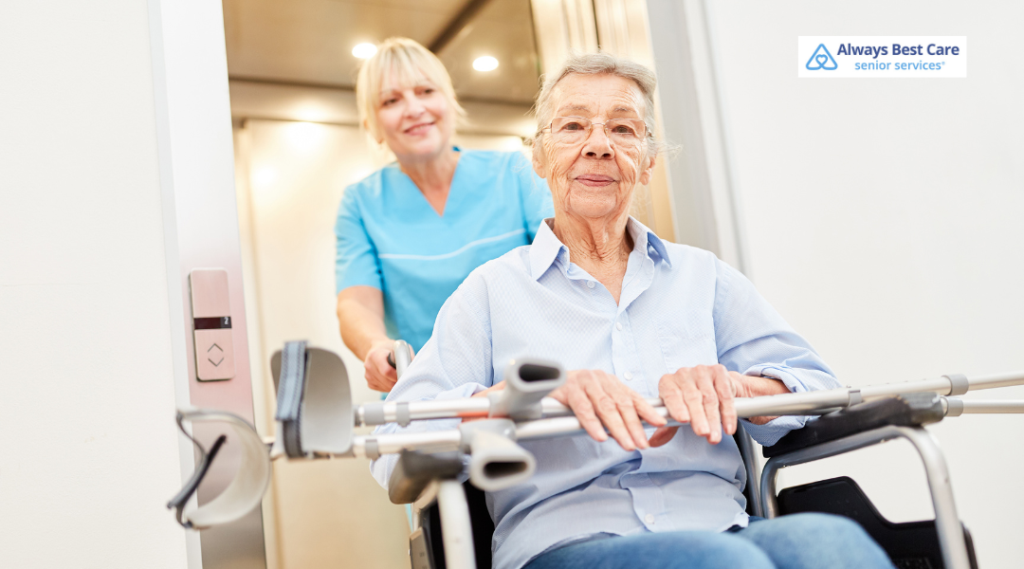
Table of Contents
Start With a Walk-Through
Before making changes, walk through the home the way your loved one will. Pay attention to the routes they use most often, such as bedroom to bathroom, bedroom to kitchen, and the path to the front door.
Ask questions as you go:
- Is there enough room to walk with a cane or walker?
- Are there steps, thresholds, or uneven surfaces?
- Can light switches be reached easily?
- Are frequently used items stored too high or too low?
- Where might your loved one need something to hold onto?
If the hospital or rehabilitation team has shared home safety recommendations, use them as your guide. Occupational and physical therapists can often suggest specific changes based on your loved one’s abilities.

Clear Walking Paths
Open, uncluttered walkways are one of the simplest ways to lower fall risk.
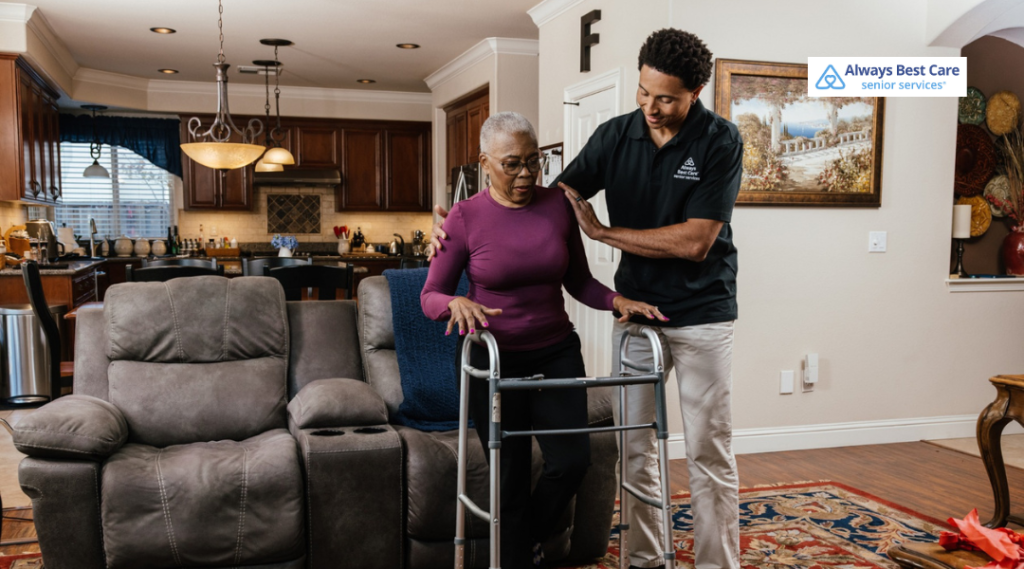
Move furniture so there is a wide, direct path through main living areas. Remove items stored on the floor, such as baskets, shoes, magazines, or pet bowls, from common routes. Tuck electrical and phone cords along walls or behind furniture so they do not cross walking areas.
If your loved one uses a walker or wheelchair, check that doorways and turning spaces allow enough room to move without bumping into furniture.
Reduce Tripping Hazards
Many falls at home start with something small underfoot. Look closely at floors throughout the house.
- Remove throw rugs, or secure them firmly with non-slip backing
- Repair loose floorboards, torn carpet, or raised tile edges
- Mark the edges of steps or thresholds with contrasting tape
- Clean up spills right away
- Encourage supportive, non-slip footwear instead of socks or loose slippers
Pets can also be a tripping risk. Keep an eye on where pets tend to rest, especially near beds, doorways, and stairs.
Improve Lighting
Good lighting helps a survivor see obstacles and move with more confidence, especially if the stroke affected vision or depth perception.
Add brighter bulbs in hallways, stairways, and work areas like the kitchen. Place night lights along the path from the bedroom to the bathroom. Make sure a lamp or light switch can be reached from bed so your loved one does not have to walk in the dark.
Motion-activated lights and light switches with illuminated plates can also help, particularly during nighttime trips.

Add Bathroom Supports
The bathroom is one of the most common places for falls. Wet surfaces, tight spaces, and frequent sitting and standing make extra support important.
Helpful changes may include:
- Grab bars near the toilet and inside the shower or tub
- A non-slip mat or adhesive strips in the tub or shower
- A shower chair or tub transfer bench
- A handheld showerhead
- A raised toilet seat or toilet safety frame
Grab bars should be installed securely into the wall. Towel racks and soap dishes are not designed to support body weight and should never be used for balance.
Keep Everyday Items Within Reach
Reaching overhead or bending low can throw off balance and lead to falls. Arrange the home so the things your loved one uses most are stored between waist and shoulder height.
In the kitchen, move dishes, cups, and favorite foods to easy-to-reach shelves. In the bedroom, keep clothing they wear often in upper drawers or at the front of the closet. Place a phone, glasses, water, and a flashlight on the nightstand.
If the stroke affected one side of the body, consider placing items on the side your loved one can reach and use more easily, following any guidance from the therapy team.
Set Up the Bedroom for Safety
The bedroom should support safe movement during the day and at night.
Check that the bed is at a height that allows your loved one to sit with feet flat on the floor. A sturdy chair with armrests can help with dressing. Keep the path from bed to bathroom clear and well lit. If recommended by the care team, a bed rail or transfer handle may provide extra support when getting in and out of bed.
Plan for Emergencies
Even with a safe setup, families should be ready to respond quickly if something goes wrong.
Keep emergency numbers posted in a visible spot. Make sure a phone is always within reach, or consider a medical alert device your loved one can wear. Review the warning signs of another stroke with everyone who spends time in the home, including face drooping, arm weakness, speech difficulty, sudden balance loss, and vision changes.
If any of these signs appear, call 911 immediately, even if the symptoms improve.
How Home Care Supports Safety Routines
A safe home setup works best when daily habits support it. Over time, clutter can return, rugs can shift, and routines can slip, especially when a survivor is tired or frustrated.
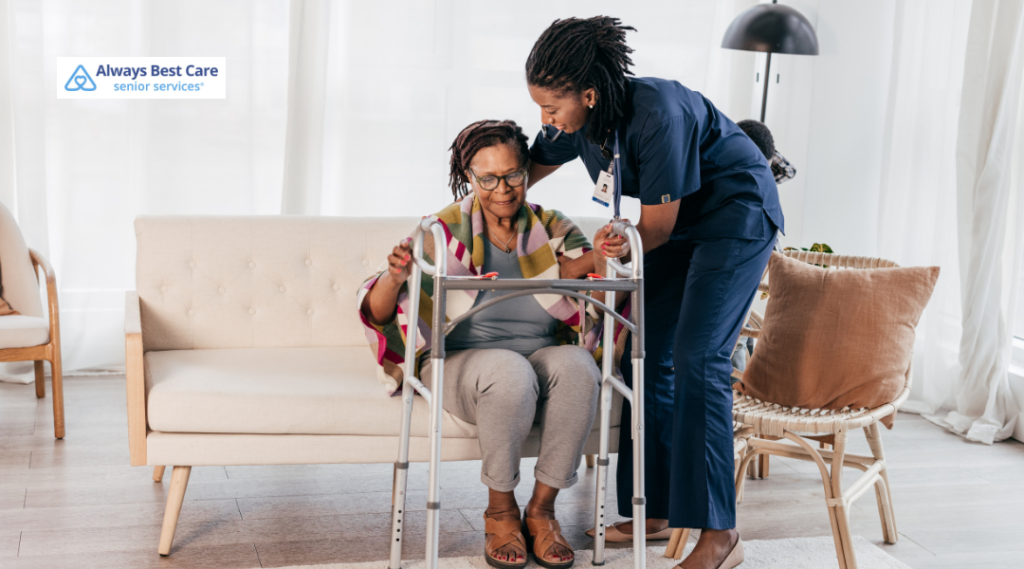
Non-medical home care can help reinforce safety day to day. A caregiver can help keep walkways clear, tidy up after meals, and make sure frequently used items stay within reach. They can provide standby assistance during bathing and grooming, offer a steady presence while your loved one moves around the home, and give gentle reminders to use mobility aids or wear supportive footwear.
Caregivers can also help with meal preparation, light housekeeping, errands, and transportation to appointments, so your loved one can focus their energy on recovery. Home care does not replace therapy or medical treatment, but it can help carry out the household routines that support the care plan.
How Always Best Care of Irvine Can Help
Always Best Care of Irvine provides non-medical in-home care services that may include companionship, personal care assistance, mobility support, meal preparation, light housekeeping, transportation, and help maintaining daily routines.
During your consultation, share your loved one’s mobility needs, any safety recommendations from the healthcare team, and the areas of the home that feel most challenging. The team can then recommend support that fits your family’s situation.
FAQ
Q: When should we make home safety changes?
A: Ideally before your loved one returns home, or as soon as possible afterward. Ask the hospital or rehabilitation team for specific recommendations based on their abilities.
Q: Are grab bars necessary in the bathroom?
A: For many stroke survivors, grab bars near the toilet and in the shower add important support. They should be installed securely and never replaced with towel racks.
Q: What is the easiest change to make first?
A: Clearing walkways and removing loose rugs are simple, low-cost steps that can make a noticeable difference right away.
Q: Can a home caregiver help prevent falls?
A: A caregiver can help keep the home organized, provide standby assistance during daily tasks, and encourage safe habits. These routines can help lower risk, though no plan can remove every hazard.
Q: What should we do if stroke symptoms return?
A: Call 911 immediately. Sudden new symptoms need emergency care, even if they seem mild or go away.

Make Home a Safer Place for Recovery
A few thoughtful changes can help your loved one move around more safely and feel more confident at home. Clear paths, good lighting, bathroom supports, and easy-to-reach items all play a part.
Contact Always Best Care of Irvine to schedule a consultation and learn how in-home care can help support safety and recovery at home. Contact Always Best Care of Irvine at (949) 705-6501 to learn more and schedule your free consultation.
Link to the markdown version of this blog.