
Around-the-Clock Care for Seniors with Changing Needs
Table of Contents
Key Takeaways
- Care needs often become clear through small daily routine changes, not one major event.
- A home care schedule can begin with limited help and expand as supervision or personal care needs grow.
- Non-medical caregiving and clinical care serve different purposes and should be planned separately.
- Regular family check-ins can help identify support gaps as routines and needs change.
- Added safety tools and care coordination can help families make thoughtful next-step decisions.
Changing Needs Often Show Up in Everyday Routines First
The need for home care Humble, TX often begins with ordinary tasks taking longer, becoming less reliable, or falling to one exhausted family member. A senior may still be comfortable at home, yet need help getting dressed in the morning, preparing regular meals, getting to appointments, or feeling secure after dark.
Families can miss the gradual pattern because each change seems manageable by itself. A few skipped showers, a refrigerator with little food, unanswered calls, or a parent who no longer wants to drive may not feel urgent. Together, they can show that the current routine needs more support.
Around-the-clock care is not automatically the first answer. The useful first step is identifying exactly when help is needed and whether those needs are occasional, daily, overnight, or spread throughout the day.
Step 1: Identify Which Parts of the Day Need More Support
Start by looking at a typical week rather than focusing only on the hardest day. Write down when your parent needs help, what happens when no one is available, and which concerns repeat.
- Look at morning routines. Notice whether bathing, grooming, dressing, toileting, or incontinence care has become difficult. Morning support can prevent a rushed start and help a senior feel more comfortable for the rest of the day.
- Review meals and routine reminders. Determine whether meals are being prepared and eaten regularly. A non-medical caregiver can assist with meal preparation and medication reminders, but medication management, nursing tasks, and clinical decisions require appropriate medical guidance.
- Consider transportation and errands. Missed appointments, unopened mail, an empty pantry, or reluctance to drive can create avoidable problems. Help with errands, transportation, and community escorts may cover a gap that family members cannot consistently fill.
- Pay attention to afternoons and evenings. Some older adults may need more support later in the day because of fatigue, reduced mobility, or fewer opportunities for social interaction. Companion care and supervision can provide conversation, support with routines, and a reliable presence.
- Assess overnight concerns honestly. Waking confused, needing help to the bathroom, wandering, frequent calls for assistance, or anxiety when alone may point to a need for overnight support. Continuous care should be based on recurring supervision needs, not simply a fear of leaving someone alone.
This review also helps separate non-medical support from clinical needs. If symptoms are changing, a condition is worsening, or skilled treatment is needed, involve the appropriate health professionals rather than expecting a non-medical caregiver to provide clinical care.
Step 2: Match the Schedule to Current Needs Without Assuming It Must Stay the Same
A care schedule should fit the actual gaps in the day, not a preset idea of what care “should” look like. Some families begin with a few hours of help for personal care, meals, or errands. Others need coverage during the evening, overnight, or throughout the day much sooner.
- Start with the time of day when support is most difficult to manage consistently. This could be the morning routine, late-day supervision, or the hours when a family caregiver is at work.
- Choose a schedule that solves today’s problem. A limited schedule may be appropriate when needs are predictable and the senior can manage comfortably between visits. More frequent visits may be needed when routines are no longer dependable.
- Build in review points. Revisit the plan after a health change, a hospital stay, a fall concern, a change in family availability, or new trouble with daily tasks.
- Increase support when the gaps increase. Care can grow from part-time help to extended daily visits, overnight assistance, or up to 24-hour care when the situation calls for it.
Customized planning matters because needs can fluctuate. Ask about scheduling options, how care plans are updated, and what information the agency needs when a routine changes. You can also review how consistent support improves day-to-day life for seniors and families through always best care kingwood.
Step 3: Build a Care Plan Around Safety, Independence, and Familiar Routines
A useful plan does not take over tasks a senior can still do safely. It supports the areas that have become difficult while preserving familiar habits, preferences, and as much independence as possible.
Non-medical care may include companion care for social support and supervision, personal care with dressing and grooming, light housekeeping, meal preparation, medication reminders, and transportation or errands. The practical goal is to make the day more manageable without disrupting the person’s home life.
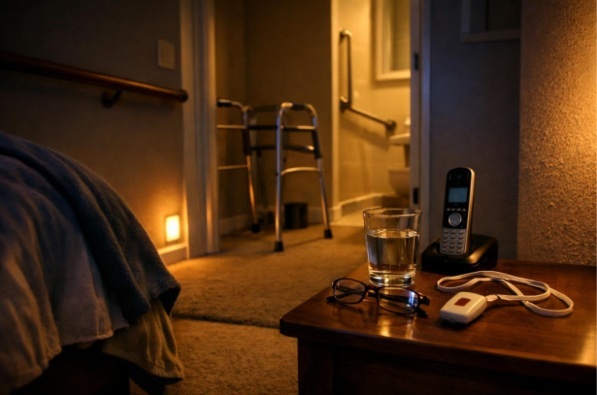
Safety deserves its own conversation. A safety assessment can identify routine-based concerns that are easy to overlook, such as trouble moving safely between rooms or difficulty reaching help after a fall. Personal Emergency Response Systems, often called PERS, and telephone reassurance programs may be useful added supports for some seniors, especially when family cannot check in throughout the day.
Ask the senior what matters most. Keeping a regular breakfast time, attending a community activity, staying connected to friends, or having privacy during personal care can shape a better plan than a task list alone.
Step 4: Coordinate Family Communication and Watch for Signs the Plan Needs Adjustment
Even a strong plan needs regular attention. Families get stuck when they assume the original schedule will remain adequate despite clear changes in a parent’s condition, routine, or mood.
- Set a simple communication routine. Decide who receives updates, who handles appointments, and who can approve changes when support needs to increase.
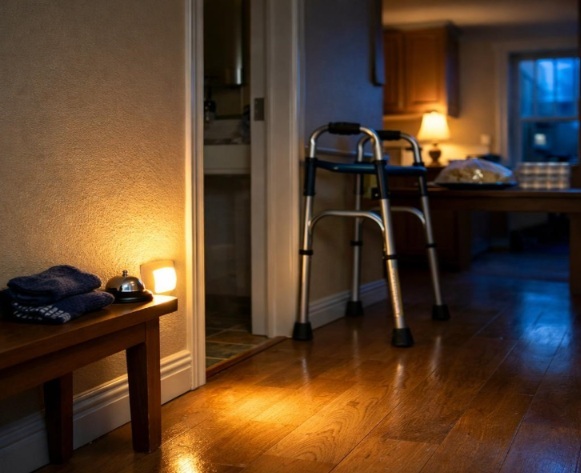
- Watch for mobility changes. New difficulty getting up, moving through the home, or safely using the bathroom can quickly affect the level of assistance needed.
- Track personal-care changes. More frequent help with bathing, dressing, grooming, or toileting often signals that visits should be adjusted.
- Notice isolation and missed routines. Withdrawn behavior, missed meals, skipped activities, forgotten appointments, or no longer answering the phone can show that companionship and supervision need to increase.
- Take caregiver fatigue seriously. If a family member is losing sleep, missing work, or constantly rearranging their own life to cover gaps, the arrangement may no longer be sustainable.
Reviewing the care plan regularly gives families more time to make thoughtful adjustments as needs change. It gives the family time to make changes based on patterns instead of reacting to one difficult night or a sudden disruption.
Step 5: Know When Home Support May Need Additional Coordination
Non-medical home care can provide meaningful daily support, but it does not replace skilled clinical services. Chronic illness management, nursing needs, therapies, and other medical concerns may require coordination with a separate skilled home health offering or partner.
It is also reasonable to explore other living arrangements if staying home no longer fits the senior’s supervision, care, or safety needs. Senior living referral support can help families compare options and understand what level of setting may be appropriate without rushing into a decision.
The right path may involve several forms of support at once. Home care can continue to assist with daily routines while skilled professionals handle clinical needs, or while the family evaluates longer-term living options.
Getting Started with Home Care in Humble, TX
Planning for home care Humble, TX is easier when you begin with the real pressure points in your parent’s day and stay open to adjusting the plan as those needs change. Always Best Care of Kingwood serves seniors and families in Humble, Kingwood, and surrounding areas with customized non-medical support, trained and screened employee caregivers, and options to discuss safety tools, changing schedules, and ongoing routines. To talk through what support may fit your family’s situation, call Always Best Care of Kingwood at (832) 852-5292.
Frequently Asked Questions
How Do I Know If My Parent Needs Occasional Help or 24-Hour Care?
Look at how often safety, personal care, meals, supervision, or overnight needs are going unmet. Occasional help may fit when needs are limited and predictable, while recurring concerns across most hours of the day may call for more continuous support. A care discussion can help match the schedule to the current routine.
What Can a Non-Medical Caregiver Help with Overnight?
Overnight support can include supervision, assistance with bathroom trips, comfort, routine reminders, and help with non-medical personal care needs. The exact tasks should be discussed in advance so the family and caregiver understand the senior’s typical nighttime routine.
Can Home Care Hours Change Over Time?
Yes. A schedule may begin with a few visits each week and increase if mobility, personal-care needs, family availability, or supervision concerns change. Reviewing the plan regularly helps avoid waiting until the current arrangement breaks down.
What Safety Supports Can Help a Senior Remain at Home?
A safety assessment can identify concerns tied to daily routines and movement around the home. Some families also discuss PERS devices, telephone reassurance, supervision, and transportation support as part of a wider plan.
When Is Skilled Home Health Coordination Needed?
Skilled home health coordination may be needed when a senior has clinical or medical needs that fall outside non-medical caregiving. Families should speak with the appropriate health professionals when symptoms change, treatment is needed, or a chronic condition requires clinical oversight.
When Should a Family Consider Senior Living Referral Support?
Consider referral support when home care no longer provides the right level of supervision or when care needs are becoming too complex for the home setting. Exploring options early gives the family more time to compare settings and make a thoughtful decision.