Helping Seniors Stay Active at Home Without Increasing Fall Risk
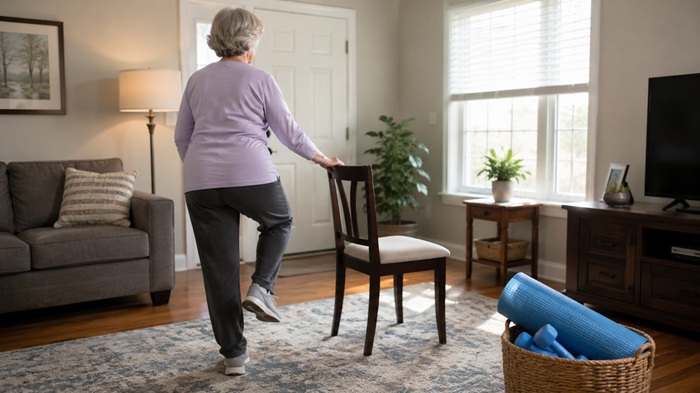
Many families worry that encouraging an aging parent to stay active could increase the chance of a fall. It is a valid concern. Falls are one of the most common reasons seniors lose confidence, independence, and mobility. At the same time, too little activity can weaken muscles, reduce balance, and create even greater safety risks over time. This is why many families exploring home care in Humble, TX, are looking for ways to help loved ones remain engaged and mobile without putting them in unsafe situations.
The goal is not to eliminate activity. The goal is to make movement safer, more consistent, and better matched to the senior’s abilities.
We often see seniors decline faster after becoming overly sedentary. Once movement decreases, everyday tasks like standing from a chair, walking through the house, or stepping into the shower become harder than families expect.
Table of Contents
Why Seniors Become Less Active After Small Mobility Changes
Many older adults do not openly say they are afraid of falling.
Instead, families notice subtle behavior changes first. A parent stops gardening. They avoid stairs. Laundry starts piling up because carrying baskets feels unsteady. They spend more time sitting in one room because moving through the house feels tiring or unsafe.
These adjustments may seem minor at first, but reduced movement can quickly affect strength and balance.
When seniors become less active:
- Leg muscles weaken faster
- Joint stiffness increases
- Balance reactions slow down
- Confidence decreases
- Isolation often grows
This creates a difficult cycle. The less active a senior becomes, the more physically vulnerable they often feel.
Safe Daily Movement Matters More Than Intense Exercise
Families sometimes assume staying active means formal exercise routines or strenuous physical activity. Most seniors benefit more from gentle, consistent movement that is naturally built into their day.
Simple routines often provide meaningful physical and emotional benefits without overwhelming the senior.
We commonly see positive results from activities like:
- Short supervised walks
- Light stretching in the morning
- Preparing meals together
- Folding laundry while seated
- Gardening with support nearby
- Standing and walking breaks throughout the day
These small activities help maintain mobility while reducing the physical deconditioning that often follows prolonged inactivity.
Consistency usually matters more than intensity.
Cluttered Homes Quietly Increase Fall Risk
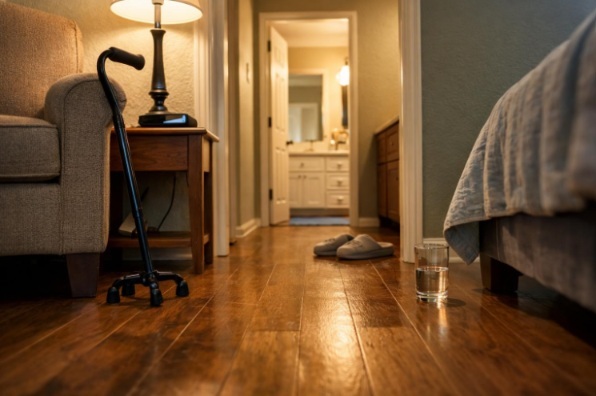
One of the most overlooked fall risks is the home environment itself.
Families may focus heavily on mobility while missing hazards hidden inside familiar spaces. Seniors who have lived in the same home for decades often stop noticing dangers because the layout feels normal to them.
We regularly find issues such as:
Narrow Walkways Filled With Furniture
Small walking paths force seniors to twist, shuffle, or hold onto unstable surfaces as they move through the home.
Loose Rugs and Electrical Cords
Even seniors with relatively good mobility can trip on loose flooring or cords.
Poor Lighting During Evening Hours
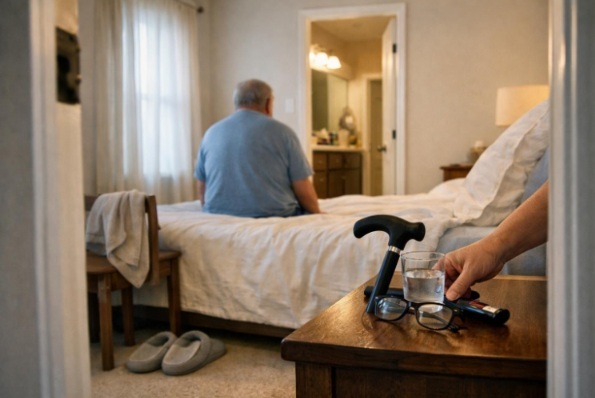
Many falls happen at night when seniors wake up disoriented or tired and cannot clearly see hallways or bathroom entrances.
Making thoughtful safety adjustments often allows seniors to remain more active and confident inside the home.
Fear of Falling Can Become More Limiting Than the Fall Itself
After even a minor fall or near-fall, many seniors become noticeably more cautious.
Families sometimes interpret this as normal aging, but fear itself can dramatically reduce activity levels.
We have seen seniors stop leaving their bedrooms after a single frightening incident, even when no serious injury occurred. Others begin relying too heavily on furniture for support because they no longer trust their balance.
This emotional response matters.
When fear reduces movement, physical decline often accelerates. Seniors may lose endurance, confidence, and independence faster than families expect.
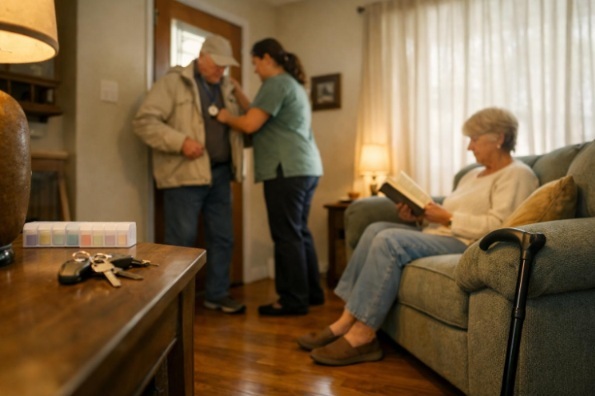
Supportive encouragement helps, but reassurance alone is usually not enough. Seniors often feel safer staying active when someone is physically nearby to assist if needed.
Social Isolation Often Increases Physical Decline
Physical activity and emotional well-being are closely connected.
Seniors who spend most of the day alone are often less motivated to move around consistently. Without regular interaction or routines, many gradually become more sedentary.
Companionship can play a surprisingly important role in mobility.
A caregiver walking beside a senior, preparing meals together, or encouraging simple daily routines often naturally increases movement throughout the day. The activity feels purposeful instead of forced.
We frequently hear families say their loved one became more engaged simply because someone was there to participate in everyday tasks alongside them.
Why Families Should Not Wait for a Serious Fall Before Seeking Support
Many families delay support until after a hospitalization or major injury.
The challenge is that recovery becomes harder as mobility declines. A serious fall can lead to lengthy rehabilitation, reduced independence, or permanent changes in living arrangements.
Early support often helps seniors maintain abilities longer.
Even limited assistance with mobility supervision, household tasks, transportation, or companionship can reduce strain while encouraging safe movement throughout the day.
The goal is prevention, not reaction.
What Families Should Look for When Safety and Independence Both Matter
Families often try to balance two emotional priorities at once: protecting a loved one while preserving independence.
The best care approaches support both.
Caregivers should understand how to encourage activity without pushing seniors beyond safe limits. They should notice subtle mobility changes early and adapt routines based on energy levels, balance concerns, and confidence.
Families benefit most from caregivers who:
- Encourage movement patiently
- Recognize environmental fall risks
- Help seniors maintain routines safely
- Offer supervision without removing independence
- Communicate changes in mobility clearly
Good support should help seniors feel more capable, not more dependent.
Helping Seniors Stay Active Safely Starts With the Right Support
Staying active at home is one of the most important parts of healthy aging, but safety has to remain part of the conversation. Families who address mobility concerns early often help loved ones maintain confidence and independence longer while avoiding preventable injuries.
If your loved one has become less active, more hesitant while walking, or increasingly isolated at home, now may be the right time to explore supportive care options. Always Best Care of Kingwood helps families create safer daily routines that encourage movement without increasing unnecessary fall risks. To discuss personalized care solutions or schedule a conversation about your family’s needs, call (713) 898-5475 and learn how home care in Humble, TX can help seniors remain active, supported, and safe at home.