
Transportation Support That Helps Houston Seniors Stay Connected
Table of Contents
Key Takeaways
- Driving less should not automatically mean giving up appointments, errands, or favorite activities.
- Transportation support can include ride coordination, accompaniment, errands, and community outings.
- The right level of help depends on mobility, confidence, and how much assistance is needed before and after a trip.
- Families do not need to carry every transportation responsibility alone.
- A care plan can combine rides with companionship, personal care, and safety supports.
When Getting Around Starts Limiting a Senior’s Day
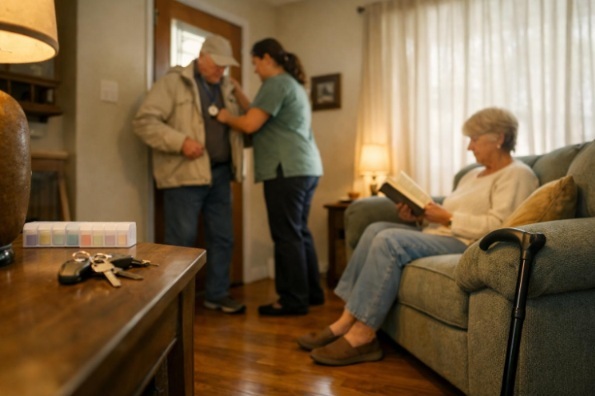
Transportation support can help older adults maintain familiar routines and stay connected to everyday activities. Through home care services Houston, TX, seniors can receive non-medical help that makes it easier to attend appointments, pick up essentials, and stay involved in everyday life.
The concern is not simply that an older adult drives less often. The bigger shift is missed lunches, delayed grocery trips, skipped hair appointments, and the growing feeling that leaving home is too complicated. Over time, transportation challenges may make it harder to maintain familiar routines and social activities.
Transportation is one part of non-medical home care. It can work alongside help at home, such as meal preparation, medication reminders, dressing support, and companionship, so the outing is manageable from start to finish.
Situation: Appointments and Essential Errands Are Becoming Hard to Manage
A senior may benefit from transportation or accompaniment when the trip itself has become only one part of the challenge. Watch for changes such as:
- Trips take far more planning than before. A parent may miss appointments because they cannot arrange a ride, remember the time, or feel comfortable navigating an unfamiliar location.
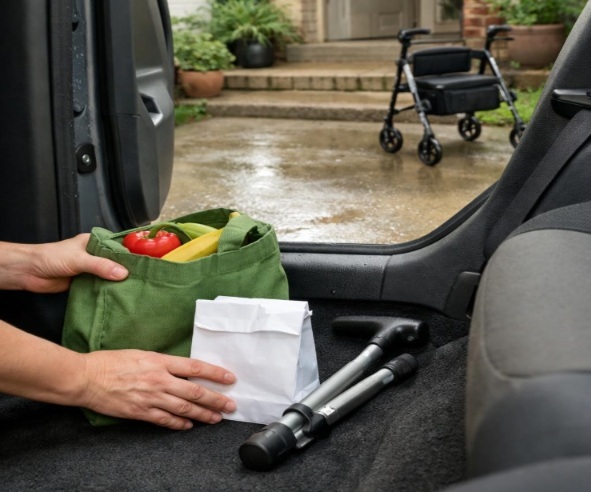
- Carrying items is difficult. Groceries, prescriptions, packages, and even a handbag can be hard to manage when balance, strength, or hand mobility has changed.
- They need help at both ends of the outing. Some older adults can ride safely but need assistance gathering items, getting ready, walking to the door, or settling back in at home.
- They avoid errands unless a relative is available. This is a practical sign that independence is already being limited by transportation gaps.
Start by separating what the senior can do independently from what creates risk or stress. One person may only need an escort for a grocery run. Another may need a caregiver to help prepare for the outing, accompany them throughout it, and make sure essential items are put away afterward. Ask a local care provider to discuss those details before choosing support.
Situation: A Senior Is Staying Home More Than They Want To
When an older adult stops attending familiar activities, the issue may be transportation rather than lack of interest. Community events, worship services, visits with friends, library trips, or a simple lunch out can feel out of reach if getting there alone no longer feels safe or comfortable.
Companion care can help preserve those routines by providing social support and supervision during the day. A caregiver may also serve as a community escort, helping a senior move through an outing with less uncertainty and more confidence. This is different from merely arranging a ride, because the senior has someone present to assist with the practical parts of being out.
For families weighing options, companion care for seniors can be a useful part of a broader plan for staying socially connected. Arranging support early may make it easier for an older adult to maintain familiar routines and continue participating in activities they enjoy.
Situation: Family Members Are Managing Every Ride Themselves
Adult children often become the default transportation plan without realizing how quickly the responsibility grows. A few rides each month can turn into recurring appointments, pharmacy pickups, grocery trips, and last-minute needs that compete with work, children, and household responsibilities.
Signs the arrangement needs more support include:
- Relatives are rearranging workdays for routine trips. This can become difficult to sustain, especially when appointments occur during business hours.
- Important errands are being postponed. Delayed shopping, prescriptions, or follow-up visits often signal that the current plan is stretched too thin.
- Family communication is becoming reactive. If rides are arranged through urgent group texts or repeated schedule conflicts, a more dependable routine may help.
- The senior feels guilty about asking. A parent may stop requesting rides rather than “burden” a loved one, even when they truly need assistance.
Customized non-medical support can give families a clearer plan. Care needs may begin with occasional errands and change over time to include companion visits, personal care, or more frequent assistance. Discussing flexibility early can make it easier to adjust support as transportation needs change.
What Drives a Safer, More Useful Transportation Support Plan
The best plan starts with the senior’s actual needs, not a one-size-fits-all schedule. Consider how steady they are when walking, whether they use mobility equipment, how confident they feel outside the home, and whether they need reminders or hands-on help before leaving.
Also look at the purpose and frequency of outings. A weekly grocery trip requires different support than recurring medical appointments or occasional social events. Communication matters too, especially when family members live in different households and need a clear understanding of what assistance is being provided.
Non-medical caregivers can assist with transportation, errands, and community escorts, along with companionship and personal assistance when appropriate. If a senior has medical or clinical needs during an outing, those needs should be coordinated through the appropriate healthcare professionals or skilled support resources.
How Always Best Care of Kingwood Can Support Connected Aging
Always Best Care of Kingwood provides non-medical home care options that can help seniors in Kingwood, Humble, and surrounding areas remain connected to daily life. Support may include senior transportation, errands, community escorts, companion care, personal care, safety assessments, telephone reassurance, and Personal Emergency Response Systems (PERS).
The right support can reduce the pressure that builds when transportation becomes a barrier, while helping a senior keep the routines that matter to them. For families seeking home care services Houston, TX, ask Always Best Care of Kingwood about an individualized care plan and call (832) 852-5292 to discuss the next practical step.
Frequently Asked Questions
Can A Caregiver Take an Older Adult to Appointments?
Non-medical caregivers may provide transportation and accompaniment for appointments, depending on the care plan and the senior’s needs. They can also help with preparation before leaving home and practical support after returning.
What Transportation-Related Errands Can Home Care Support?
Support may include grocery shopping, prescription pickup, personal shopping, appointments, and community outings. The exact tasks should be discussed in advance so the level of assistance matches the senior’s comfort and mobility.
How Do I Know If My Parent Needs Help with Rides?
Look for missed appointments, postponed errands, reluctance to leave home, trouble carrying purchases, or frequent dependence on relatives for transportation. These changes may indicate that transportation or certain parts of an outing are becoming more difficult to manage.
Can Transportation Support Include Social Outings?
Yes. Community escorts and companion care can help seniors attend social activities, visit friends, take part in local events, or keep other meaningful routines. The goal is to support safe participation, not simply provide a ride.
What If My Parent’s Needs Change Over Time?
A care plan can be adjusted as mobility, confidence, routines, and family availability change. It is usually easier to update support gradually than to wait until transportation needs become urgent.