
How Personal Care Helps Seniors Start Each Day Safely
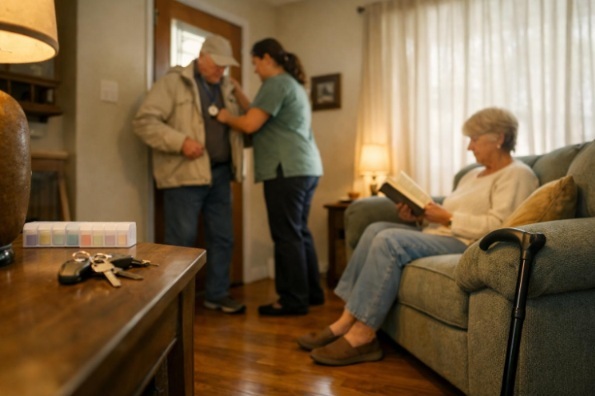
A safe morning often depends on help with several small but important transitions, getting out of bed, reaching the bathroom, washing, dressing, and preparing food. For families exploring home care in Kingwood, TX, morning personal care can provide practical support before a loved one feels rushed, unsteady, or overwhelmed.
The goal is not to take over a senior’s routine. It is to provide the right amount of assistance so the day begins with dignity, comfort, and fewer avoidable hazards.
Table of Contents
Why Mornings Can Become More Difficult for Older Adults
Morning routines ask a lot of a person in a short period of time. A senior may need to sit up, stand, walk across a dim bedroom, use the bathroom, manage clothing fasteners, and prepare breakfast before feeling fully alert.
Changes in balance, stiffness, vision, endurance, or memory can make these steps harder. A loved one may begin avoiding a shower, wearing the same clothes for several days, skipping breakfast, or staying in bed longer because the first part of the day feels difficult.
Families sometimes notice that a parent no longer uses an upstairs bathroom or avoids a certain room. That can be an early sign that stairs, uneven flooring, or the fear of falling has become a concern. Left unaddressed, avoidance can shrink a senior’s daily life and reduce confidence at home.
What Does Personal Care Assistance Include in a Morning Routine?
Morning support should match the person’s needs, preferences, and usual habits. Non-medical caregivers can assist with tasks such as:
- Getting ready for bathing or washing up: Setting out towels and toiletries, assisting with safe bathroom routines, and helping with non-medical bathing as needed.
- Grooming: Support with hair care, shaving, oral hygiene, skin care routines, and choosing items that are easy to use.
- Dressing: Helping select weather-appropriate clothing, manage buttons or shoes, and put on garments without unnecessary strain or loss of balance.
- Incontinence care: Providing respectful assistance with toileting, hygiene, and clean clothing or protective garments according to the care plan.
- Mobility-related support: Assisting with safe transfers and walking within the home as appropriate, while keeping frequently used items within reach.
- Simple meal preparation: Preparing breakfast, pouring a beverage, and making sure the senior has what they need to begin the day.
- Medication reminders: Offering reminders based on the family’s plan, without managing medical decisions or treatment.
- Companionship and reassurance: Staying nearby during a routine that may feel frustrating, confusing, or tiring.
For a broader view of how personal care supports senior comfort and confidence throughout the day, families can review what this type of non-medical assistance looks like beyond the morning hours.
How Can Morning Assistance Help Reduce Safety Risks?
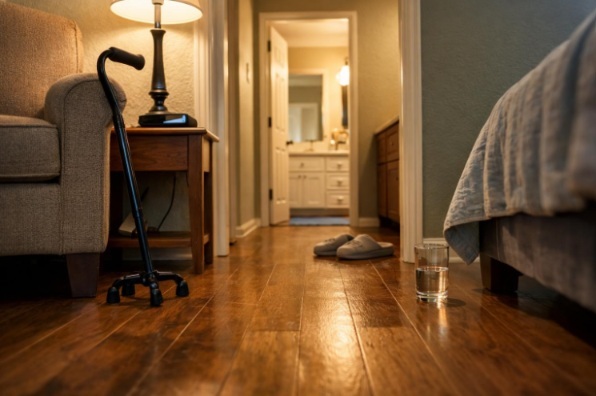
Morning assistance helps by slowing down tasks that are often rushed. A caregiver can encourage a senior to sit for a moment before standing, make sure glasses and mobility aids are nearby, and keep wet-floor risks or clutter from becoming part of the routine.
Consistency matters, especially for a person who is forgetful or anxious about changes. Following familiar steps in a familiar order can reduce confusion: bathroom first, wash up, get dressed, eat breakfast, then prepare for the rest of the day.
This support also gives families useful clarity. If a loved one now needs help pulling on a shirt, loses balance while reaching for a towel, or forgets breakfast unless someone prompts them, those patterns can guide future care decisions. Waiting until a fall or a major missed routine occurs can make the transition to help feel more stressful for everyone.
What Does a Caregiver Typically Do First During a Morning Visit?
A morning visit should feel organized, not intrusive. The order can change based on the senior’s abilities and preferences, but a typical visit may include these steps:
Greet and Check In
The caregiver offers a calm welcome, asks how the senior is feeling that morning, and observes whether anything in the normal routine seems different.
Support a Safe Transition Out of Bed
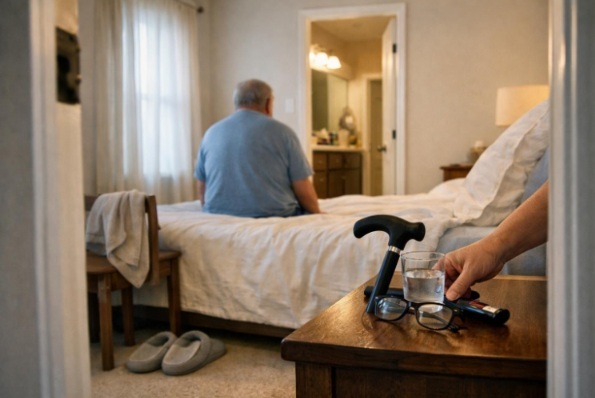
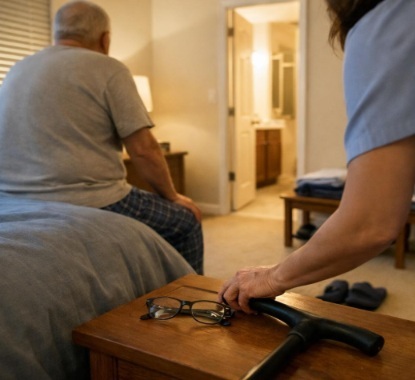
This may mean ensuring needed items are close by, allowing time to sit up and orient, and assisting with movement according to the care plan.
Assist With Hygiene and Dressing
The caregiver provides only the hands-on support needed for washing, grooming, toileting, and choosing or putting on clothing.
Prepare a Simple Breakfast
A meal or snack can be made based on the household routine, along with a drink and any items the senior needs for the day.
Offer Scheduled Reminders
The caregiver can remind the senior about planned medications, appointments, meals, or other daily steps.
Help the Senior Feel Ready for the Day
Before leaving or moving to the next task, the caregiver can make sure the person is comfortable, has essential items nearby, and knows what comes next.
One senior may only need help fastening shoes and setting out breakfast. Another may need closer support with bathing, dressing, and moving safely from room to room. A useful plan reflects that difference rather than applying the same routine to every household.
When Might a Family Consider Adding Morning Personal Care Support?
Extra help may be appropriate when mornings have become inconsistent, unsafe, or emotionally difficult. Watch for patterns, not just one bad day.
- Dressing or grooming is becoming difficult. Clothing may be mismatched, unchanged, improperly fastened, or avoided because the task is physically demanding.
- Breakfast is being skipped. A parent may not have the energy, coordination, or motivation to prepare food after getting up.
- The bathroom routine raises concern. Family members may notice missed hygiene, frequent accidents, damp clothing, or hesitation about bathing.
- Mobility looks different early in the day. Needing furniture for support, moving very slowly, avoiding stairs, or staying in bed longer can signal that the routine needs more attention.
- Daily steps are being forgotten. Repeated confusion about the order of tasks, appointments, or reminders can make morning supervision valuable.
- Family check-ins are no longer enough. If an adult child is calling repeatedly, arriving before work, or worrying through the morning, scheduled support may offer more dependable reassurance.
A short trial schedule can be easier for a senior to accept than framing care as a permanent loss of independence. Describe the help in practical terms, assistance with a shower day, breakfast, or getting ready for an outing, and invite the senior to state what they want to continue doing themselves.
How Families Can Build a Personalized Morning Care Plan
Start with the actual routine, not a general list of services. Ask what time your loved one prefers to wake up, whether they like privacy during grooming, what breakfast they normally eat, which clothing is easiest to manage, and where they feel unsteady.
Also discuss the tasks that create the most tension. A parent may welcome meal preparation but prefer to choose their own clothes. Another may need someone present during bathroom transfers but want quiet time afterward. Those preferences are central to preserving dignity.
Always Best Care of Kingwood can help families in Kingwood, Humble, and surrounding areas arrange customized non-medical support, from limited morning visits to more extensive care as needs change. For families considering home care in Kingwood, TX, call (832) 852-5292 to discuss a personalized care plan that supports safer, more comfortable morning routines.