
Overnight Home Care Options for Kingwood Seniors
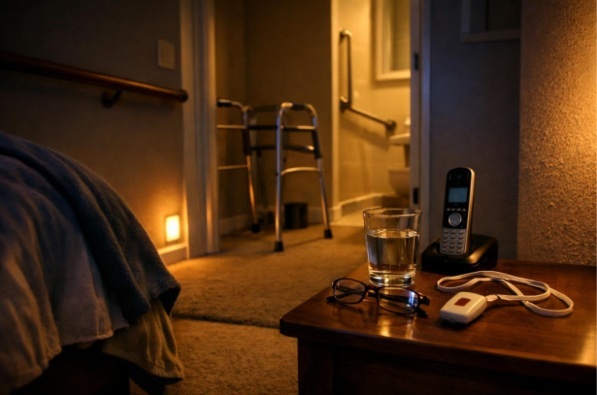
Table of Contents
Key Takeaways
- A senior who does well during the day may still need support overnight.
- Overnight help can range from reassurance calls to hands-on, non-medical assistance.
- Repeated nighttime needs, mobility concerns, confusion, or family caregiver fatigue may signal that the current support plan should be reviewed.
- A clear care plan helps match coverage to the senior’s actual nighttime routine.
- Changing needs may call for more hours, additional safety tools, or skilled care coordination.
Daytime independence does not always mean nighttime safety. For families exploring home care Kingwood, TX, an important consideration is whether an older adult needs additional support with routines that happen overnight, such as bathroom trips, mobility, reminders, or reassurance.
Nighttime support can be occasional, scheduled, or part of continuous care. The right choice depends on what is happening after dinner, overnight, and early in the morning, not only on how a senior appears during a daytime visit.
When Does a Senior Need Help Overnight?
Families may notice changes in nighttime routines that suggest additional support could be helpful. A parent may call several times overnight because they feel anxious, leave lights off to avoid disturbing others, skip a needed meal or drink, or struggle to get from bed to the bathroom safely.
Pay attention to frequency and consequences. One restless night after a change in routine may call for reassurance. Repeated wake-ups, near-falls, forgotten instructions, wet clothing or bedding, or confusion about the time of day may suggest that a more structured support plan should be considered.
Situation 1: A Senior Needs Occasional Overnight Reassurance
Some older adults are physically able to manage most nighttime tasks but do not feel secure when alone. This can happen after a hospital stay, the loss of a spouse, a temporary illness, or a period of poor sleep. A senior who feels uneasy overnight may call family more frequently or feel less comfortable moving through the home alone.
Companion-focused care can provide a calm presence, conversation, reminders, and supervision during a difficult evening or overnight period. Telephone reassurance may also help a senior who mainly needs regular check-ins rather than an in-home caregiver every night.
Safety planning matters here. Discuss where a phone, glasses, mobility aid, water, and emergency alert device should be kept, and decide who should be called if the senior does not answer. Families can ask Always Best Care of Kingwood to talk through options that fit the pattern rather than automatically arranging more care than is needed.
Situation 2: Nighttime Routines Require Hands-On Non-Medical Help
When a senior needs physical assistance at night, the goal is to make routine tasks safer and less stressful. Non-medical caregivers can help with everyday personal needs, but they do not replace medical assessment or clinical treatment.
- Bathroom and incontinence support: Assistance with getting to and from the bathroom, changing clothing, hygiene, and maintaining comfort after an accident.
- Dressing and grooming: Help changing into sleepwear, getting dressed in the morning, brushing hair, and managing other basic routines.
- Medication reminders: Verbal reminders to take medications as directed by the senior’s care team or family plan, without medical administration or clinical judgment.
- Light food and drink support: Preparing a simple snack, warming an approved meal, or encouraging fluids when that is part of the established routine.
- Household tasks: Straightening the sleep area, washing a few dishes, setting out clothes, and keeping commonly used items within reach.
These tasks may sound minor, but they are often where a tired senior takes an unnecessary risk. The difference between struggling alone at 2 a.m. and having support nearby can be meaningful.
Situation 3: Falls, Wandering, or Confusion Create a Safety Concern
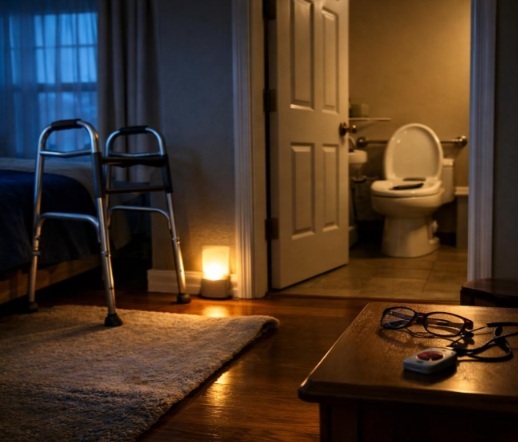
A fall risk is not limited to someone who has already fallen. Changes in mobility, difficulty navigating the home at night, poor lighting, obstacles along walking paths, or new confusion may warrant additional attention. Seniors with memory changes may also wander, search for a familiar room, or try to leave home when they are disoriented.
Overnight supervision can provide a caregiver presence when a senior needs help with nighttime routines or mobility. A home safety assessment can identify practical concerns in the bedroom, hallway, and bathroom. Personal Emergency Response Systems, often called PERS, can give the senior a way to summon help if they cannot reach a phone.
A customized care plan should spell out the nighttime routine, mobility needs, preferred calming approaches, and when family members should be notified. New or worsening confusion, sudden weakness, chest discomfort, trouble breathing, or other urgent symptoms require appropriate medical guidance rather than relying on non-medical home care alone.
Situation 4: Family Caregivers Are Losing Sleep or Cannot Sustain Coverage
Many adult children start by rotating nights, sleeping lightly with a phone nearby, or staying at a parent’s home after a rough week. That can work briefly. Over time, disrupted sleep may make it harder for family caregivers to balance work, household responsibilities, driving, and their own need for rest.
Overnight or 24-hour non-medical home care can give family caregivers protected time to rest while their loved one has continuity and support. Planning support earlier can give families more time to consider options as nighttime needs change.
Care needs may change after an illness, a fall, or a decline in mobility. Flexible scheduling allows families to begin with limited coverage and revisit the plan as the senior’s routine becomes clearer. For a broader look at how support can affect the whole household, read How Home Care Improves Life for Seniors and Families.
How to Discuss Overnight Home Care Options in Kingwood, TX
Before calling a provider, write down what happens from bedtime through morning. Include wake-up times, bathroom trips, mobility concerns, reminders needed, and who currently handles each task. Specific details produce a better care conversation than a general statement that a parent “needs more help.”
- Ask about scheduling: Is occasional overnight coverage available, and what happens if the need becomes more frequent?
- Ask how caregivers are supported: Find out how the agency staffs shifts, communicates changes, and handles unexpected coverage needs.
- Ask how the care plan is built: Explain the senior’s sleep routine, personal care needs, preferences, and safety concerns, then ask how those details are documented and updated.
- Ask about safety tools: Discuss home safety assessments, PERS options, telephone reassurance, and practical steps for bathroom trips or nighttime confusion.
- Ask about changing needs: If symptoms or care needs become more complex, ask whether skilled home health coordination may be appropriate through separate offerings or care partners.
Discussing nighttime patterns early can give families more time to understand available support options. For guidance on home care Kingwood, TX that reflects your loved one’s actual overnight needs, speak with Always Best Care of Kingwood at (832) 852-5292.
Frequently Asked Questions
Can an Overnight Caregiver Help with Bathroom Trips?
Yes. A non-medical caregiver may assist with getting to and from the bathroom, personal hygiene, clothing changes, and incontinence-related routines. The care plan should explain the senior’s mobility needs and any preferred methods for assistance.
Does My Parent Need Overnight Care Every Night?
Not necessarily. Some seniors need occasional support after an illness, during periods of anxiety, or when family members are unavailable. Others need regular supervision because nighttime confusion, mobility limits, or personal care needs happen consistently.
What Is the Difference Between Telephone Reassurance and Overnight Care?
Telephone reassurance involves planned check-in calls and may suit a senior who is generally safe alone but benefits from connection and reminders. Overnight care places a caregiver in the home to provide supervision and hands-on non-medical help as needed.
Can Home Care Help If My Parent Is Confused at Night?
Supervision, routine, safety planning, and a calm caregiver presence may help reduce risks related to nighttime confusion. Sudden or worsening confusion should be discussed with an appropriate medical professional, especially when it appears alongside other concerning symptoms.
What If My Loved One’s Needs Become More Complex?
The care plan can be reviewed and adjusted as needs change. Families can also ask whether coordination with skilled home health services through separate offerings or partners may be appropriate.