Home Care Routines That Help Seniors Recover Safely
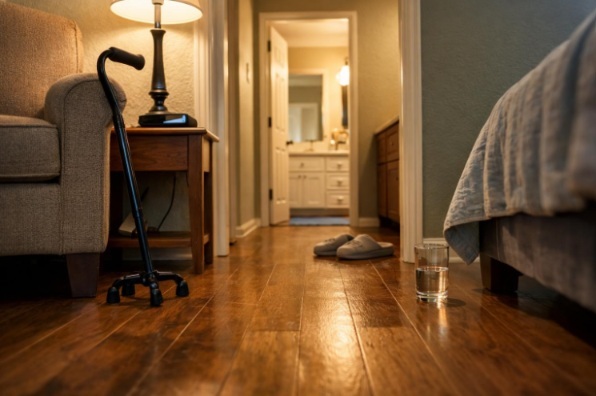
Table of Contents
Key Takeaways
- A safe recovery routine makes essential tasks easier to complete without rushing or skipping steps.
- Repeated missed meals, hygiene tasks, or reminders may suggest that the current daily routine needs additional support.
- Home organization, check-ins, and emergency response tools can make daily movement more manageable.
- Non-medical care can adjust from a few hours of help to more consistent support as recovery changes.
When Recovery at Home Starts Feeling Less Safe
Helpful recovery routines are often simple, predictable, and built around what a senior can comfortably manage each day. Families exploring home care services Houston, TX often need help after they notice that a loved one is missing routines, tiring more easily, becoming confused by familiar tasks, eating less, or moving less safely after a hospitalization, illness, injury, or other health setback.
These changes do not always mean a senior cannot recover at home. They do mean the daily plan may need to change. A routine should protect energy, reduce avoidable stress, and make it easier to notice when something is not going as expected.
Home support does not replace medical advice, treatment instructions, or follow-up care. New or worsening symptoms, sudden confusion, repeated falls, breathing problems, chest discomfort, signs of dehydration, or concerns about a prescribed diet should be discussed promptly with the appropriate healthcare professional.
Problem: Essential Daily Tasks Are Being Missed or Rushed
A missed task once may happen because of a poor night of sleep or a busy day. A pattern is different. If a senior repeatedly puts off bathing, wears the same clothes for several days, skips meals because preparation feels hard, or cannot keep up with toileting needs, the routine is no longer matching their current ability.
Watch for these common breakdowns:
- Dressing and grooming take much longer than before. This can point to fatigue, pain, limited mobility, or difficulty keeping track of steps. Setting out clothing and grooming items in order can reduce frustration.
- Toileting is delayed or avoided. A senior may be worried about getting to the bathroom in time, especially overnight. Rushing to the bathroom can create additional mobility challenges and may affect comfort and dignity.
- Meals are skipped or replaced with snacks. An empty refrigerator, untouched prepared food, or a growing stack of dishes often signals that meal preparation has become too demanding.
- Light housekeeping is falling behind. Laundry, clean dishes, clear counters, and fresh bedding are not cosmetic details during recovery. When they pile up, daily tasks become harder to manage.
- Medication reminders are inconsistent. A reminder routine can help a senior follow their existing directions, but family members should not assume reminders solve confusion about what a medication is for or how it should be taken. Those questions belong with a pharmacist or healthcare professional.
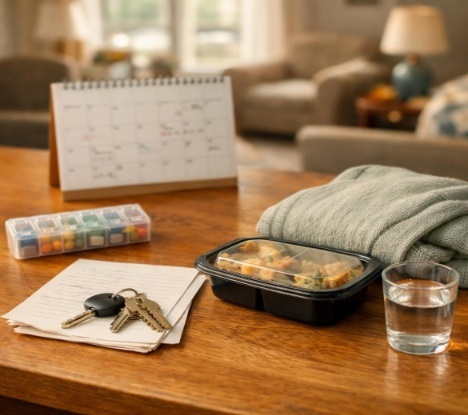
A practical rhythm might include morning personal care and breakfast, a midday meal and rest period, then a brief afternoon check on hydration, household tasks, and the next day’s needs. Non-medical support can help keep that rhythm on track without taking over tasks the senior can still do safely.
Problem: the Home Environment Is Making Everyday Movement Harder
Recovery often exposes small obstacles that were manageable before. A narrow path between the bed and bathroom, a basket of laundry in the hallway, frequently used items stored too high or too low, and an uncharged phone can all turn an ordinary trip across the house into a stressful one.
Pay attention to where the senior hesitates. If they hold onto furniture, avoid a room they once used often, leave items on the floor because bending is difficult, or seem unsure how they would get help after a fall, the home setup deserves a closer look.
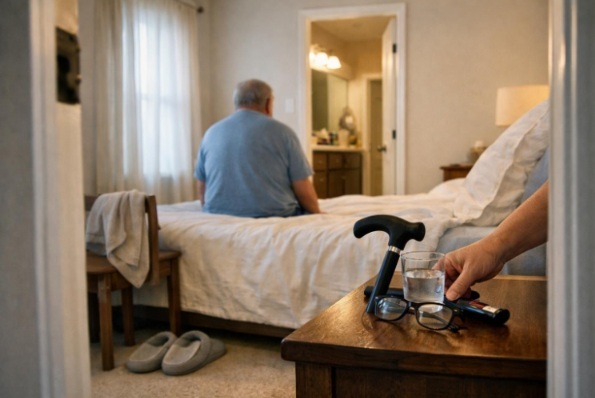
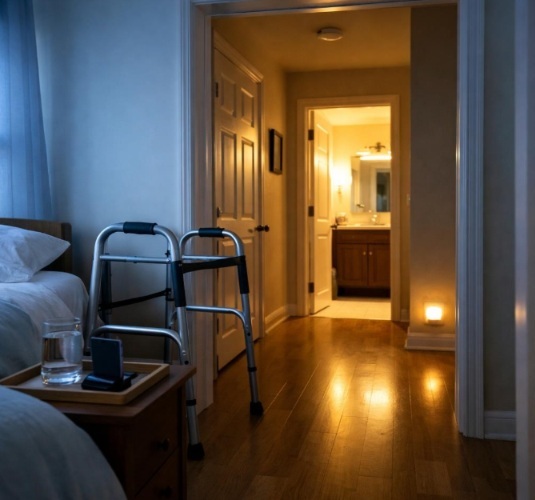
A safety assessment can identify daily trouble spots and help a family organize the space around current needs. The goal is not to make the home look clinical. It is to create clear paths, place essentials within easy reach, keep commonly used seating stable, and establish a dependable way to call for help.
A Personal Emergency Response System, often called PERS, may be worth asking about when a senior spends time alone and needs a simple way to request help. It is not a substitute for medical care or supervision when either is needed, but it can add reassurance when used as part of a broader safety plan.
Problem: Nutrition, Hydration, and Rest Are Becoming Inconsistent
Recovery uses energy. When meals become irregular, fluids are forgotten, and rest happens at random times, a senior may feel weaker and less able to complete even basic tasks. The answer is usually not a complicated food plan. It is a routine that makes eating and drinking easier to follow.
- Set regular meal times. Choose realistic times for breakfast, lunch, and dinner, with easy snacks available if the senior’s appetite is smaller than usual.
- Keep hydration visible. Put a preferred drink within reach and offer prompts throughout the day. Track concerns such as very little drinking, trouble swallowing, or sudden refusal of food and fluids with a healthcare professional.
- Match meals to available energy. Simple foods that are easy to prepare and eat are often more useful than ambitious meals that never get made. A caregiver can help with meal preparation, cleanup, and grocery-related errands.
- Plan rest instead of waiting for exhaustion. Short, regular rest periods can make it easier to pace activities throughout the day.
- Use nutrition monitoring when appropriate. Monitoring can help a family spot a pattern, such as consistently skipped lunches or poor fluid intake. Prescribed diets, unexplained weight changes, nausea, and other concerning symptoms need direction from a qualified healthcare professional.
Problem: Isolation, Transportation Needs, or Family Gaps Are Disrupting Follow-Through
A senior may know what needs to be done but still struggle to follow through alone. Social isolation can make it easier to postpone meals, personal care, errands, and follow-up appointments. Adult children also cannot always be present at the times when support matters most.
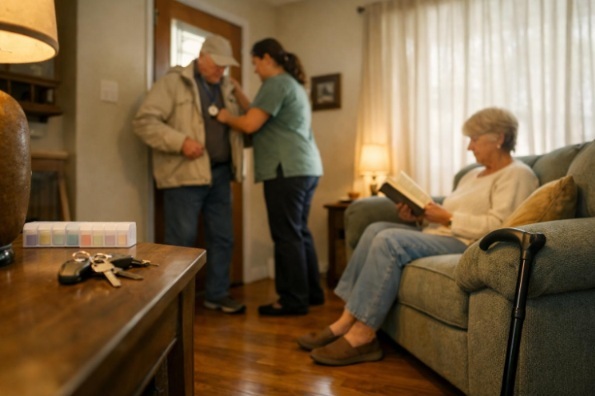
Companionship and supervision can add structure to the day, from sharing a meal to encouraging a planned activity or helping a senior prepare for an outing. Families can also explore companion care for seniors when a loved one needs regular connection alongside practical support.
Non-medical transportation, errands, and community escorts can help a senior get to planned appointments, pick up groceries, or stay involved in familiar activities. Telephone reassurance can also provide scheduled check-ins for someone who benefits from knowing another person will call. These services support follow-through, but they do not provide medical transport or clinical care.
When a Home Routine Needs More Support Than Family Can Provide
Families can review the plan when daily routines begin changing rather than waiting until support needs become more difficult to manage. Reviewing the routine early can give families more time to identify appropriate support and share responsibilities more consistently.
Consider a customized care plan when you notice:
- Recurring safety concerns. Near-falls, difficulty with toileting, trouble getting meals, or uncertainty about being alone should not become the new normal.
- Needs that vary by day or time. Morning hygiene may be manageable with help, while evenings or overnight hours may require more supervision.
- Family coverage is inconsistent. A loved one may be safe during weekend visits but unsupported during weekdays, after appointments, or when a family caregiver is unavailable.
- Caregiver strain is building. If family caregivers are frequently missing work, losing sleep, or struggling to cover recurring needs, it may be time to review the current care plan.
Always Best Care of Kingwood provides non-medical in-home support ranging from part-time assistance to 24-hour care, with plans that can be adjusted as recovery needs change. For concerns that require clinical services, families can ask about coordination with separate skilled home health options or other appropriate healthcare providers.
A steady routine is one of the most practical ways to support recovery at home. For families seeking home care services Houston, TX, Always Best Care of Kingwood can help identify non-medical support that fits the senior’s current routine and can change over time. Call (832) 852-5292 to discuss the next steps.
Frequently Asked Questions
What Routines Matter Most After a Senior Returns Home?
The most important routines cover personal care, meals and fluids, prescribed medication reminders, safe movement, rest, and follow-up appointments. The best plan is usually one the senior can repeat daily without feeling rushed or overwhelmed.
How Can Families Tell Whether a Senior Needs More Help?
Look for repeated changes rather than one difficult day. Repeated changes such as missed meals, difficulty with hygiene, mobility concerns, confusion about routines, or unfinished household tasks may suggest that the current plan should be reviewed.
Can a Caregiver Help with Medication?
A non-medical caregiver can provide reminders based on the senior’s established schedule. Questions about dosage, side effects, missed doses, or changes to a medication plan should go to a pharmacist or healthcare professional.
What Should Families Do If a Senior Is Eating or Drinking Much Less?
Start by noting when the change began and whether it is happening consistently. Reduced intake can have many causes, so concerning changes, trouble swallowing, vomiting, signs of dehydration, or sudden weakness should be discussed with a healthcare professional.
Can Home Care Change as Recovery Progresses?
Yes. A senior may need more help immediately after a setback and less as strength and confidence improve, or the opposite may occur if needs increase. A flexible plan allows families to adjust support around the tasks that are becoming difficult.