
Stroke Prevention Tips for Seniors in Longview: Protecting Brain Health Through Healthy Habits
Stroke is one of the leading causes of disability and death among older adults in the United States. The impact can be sudden and severe, affecting speech, movement, memory, and the ability to live independently. Yet research consistently shows that up to 80% of strokes are preventable. For seniors and their families, understanding the key risk factors and taking deliberate steps to address them can make a life-changing difference.
This guide outlines practical, evidence-based strategies to help older adults in Longview reduce their stroke risk and maintain long-term brain health.
What you will learn:
- Why stroke risk increases with age, and how conditions like high blood pressure, AFib, diabetes, high cholesterol, and inactivity raise that risk for seniors in Longview.
- The everyday healthy habits that best protect brain and heart health include regular physical activity, nourishing foods, and consistent management of blood pressure, blood sugar, and cholesterol.
- How caring, ongoing support from family and in-home caregivers helps seniors stick with prevention routines, spot warning signs early, and stay independent and confident at home.
Table of Contents
Know Your Risk Factors
Stroke prevention starts with awareness. Several medical conditions significantly raise stroke risk in older adults:
- High blood pressure: The single most important controllable risk factor. Sustained hypertension weakens and narrows blood vessels, making blockages and ruptures more likely.
- Atrial fibrillation (AFib): An irregular heartbeat that can cause blood clots to travel to the brain.
- Type 2 diabetes: Elevated blood sugar damages blood vessels over time, increasing stroke vulnerability.
- High cholesterol: Excess LDL cholesterol contributes to arterial plaque buildup, restricting blood flow to the brain.
- Obesity and physical inactivity: Both independently raise the risk of stroke and compound other risk factors.
Knowing which of these apply to you or your loved one is the first step toward targeted prevention.
Control Blood Pressure: Consistently
High blood pressure is responsible for nearly half of all strokes. The challenge is that it rarely causes noticeable symptoms, which is why it’s often called the “silent killer.” Seniors should aim for a blood pressure reading below 130/80 mmHg, as recommended by most cardiologists.
Practical steps to manage blood pressure:
- Monitor readings at home with a reliable cuff and log them regularly
- Take prescribed medications at the same time each day; skipping doses is a common and dangerous mistake
- Reduce sodium intake to under 1,500 mg per day
- Limit alcohol consumption
- Engage in at least 30 minutes of moderate activity most days of the week
Consistent management, not occasional effort, is what keeps blood pressure in a safe range.
Manage Diabetes with Precision
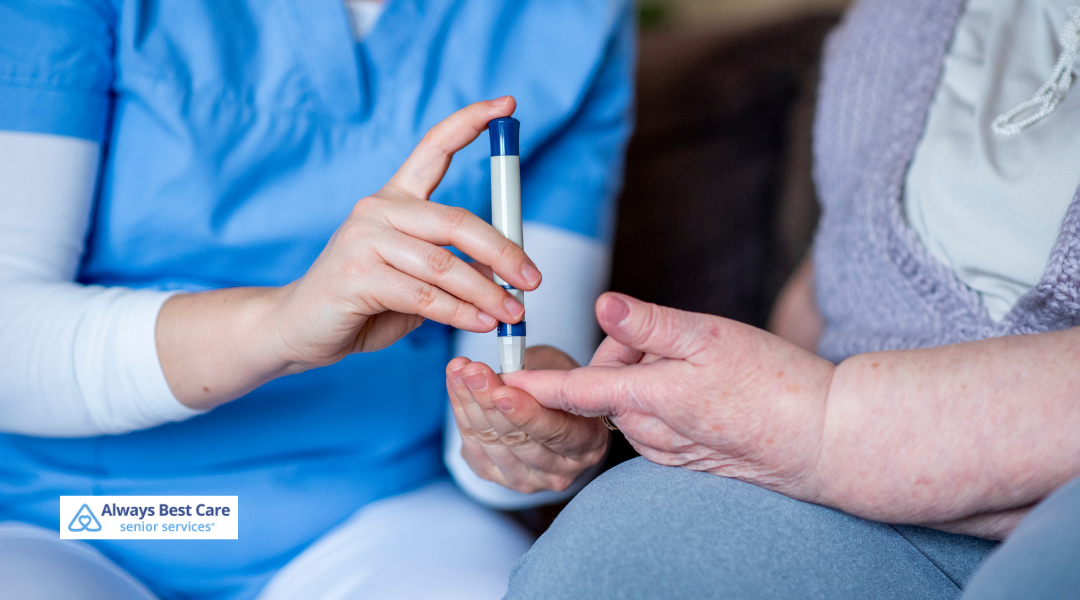
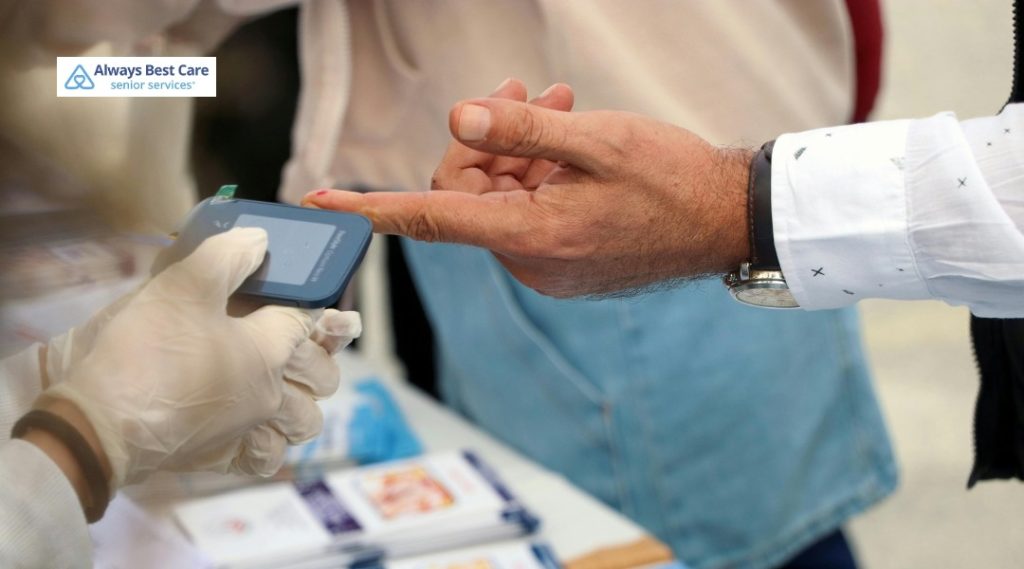
Diabetes doubles the risk of stroke. High blood sugar gradually damages the walls of blood vessels, making them more susceptible to blockage. For seniors already managing diabetes, tight glucose control is essential.
Beyond medication, diet plays a critical role. Reducing refined carbohydrates, increasing fiber intake, and eating at consistent times throughout the day all help stabilize blood sugar. Regular physical activity also improves insulin sensitivity, making glucose management more effective over time.
Keep Cholesterol in Check
Cholesterol itself isn’t harmful;m the body needs it. The problem arises when LDL (“bad”) cholesterol builds up as plaque inside arterial walls, narrowing the passages that carry blood to the brain. When a plaque deposit ruptures, it can trigger a clot that causes a stroke.
Dietary changes that support healthy cholesterol:
- Replace saturated fats (red meat, full-fat dairy) with unsaturated fats (olive oil, avocado, nuts)
- Increase soluble fiber through oats, beans, and leafy greens
- Limit processed and fried foods
- Include fatty fish like salmon or mackerel twice a week for heart-protective omega-3s
If lifestyle changes aren’t enough, a physician may recommend statins or other cholesterol-lowering medications.
Make Movement a Daily Priority
Regular physical activity is one of the most powerful tools for stroke prevention. Exercise strengthens the heart, improves circulation, helps control weight, and lowers both blood pressure and cholesterol.
Seniors don’t need high-intensity workouts to see real benefits. Low-impact activities that are effective and safe include:
- Daily walks of 20–30 minutes
- Chair yoga or gentle stretching
- Swimming or water aerobics
- Tai chi, which also improves balance and reduces fall risk
- Light resistance training with bands or small weights
The key is consistency. Even breaking movement into shorter sessions throughout the day, 10 minutes at a time, delivers measurable cardiovascular benefits.
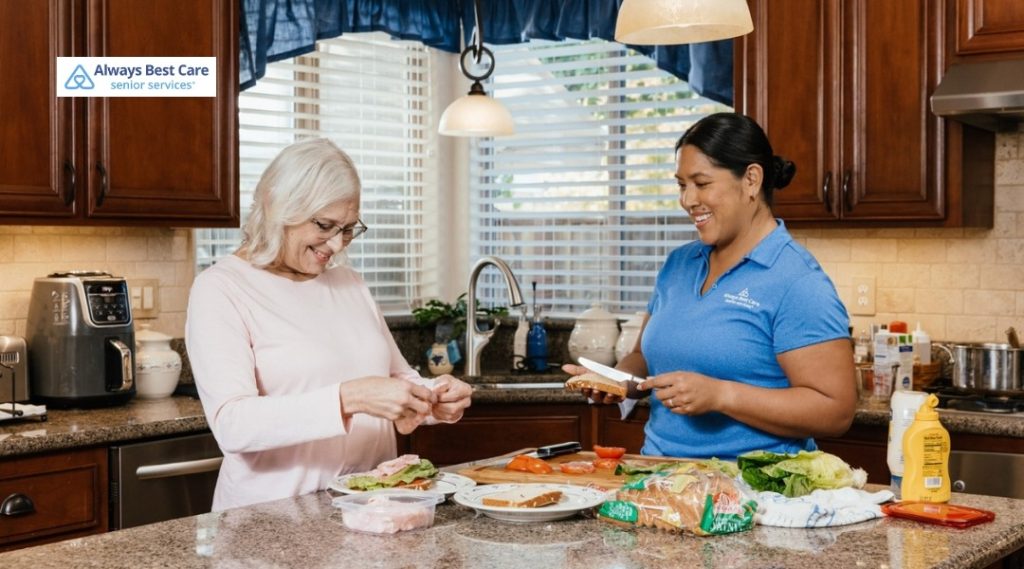
Eat for Brain and Heart Health
A nutrient-dense diet directly supports blood vessel health and reduces the buildup of conditions that lead to stroke. The Mediterranean diet, in particular, has strong clinical evidence supporting cardiovascular and brain health.
Core principles of a stroke-preventive diet:
- Fill half your plate with vegetables and fruits at every meal
- Choose whole grains over refined carbohydrates
- Prioritize lean proteins: fish, legumes, poultry
- Use olive oil as your primary cooking fat
- Minimize processed foods, added sugars, and excess sodium
- Stay well-hydrated throughout the day
Small, sustainable changes to eating habits rather than dramatic overhauls tend to stick and deliver lasting results.
The Role of Caregiving Support in Longview
For many seniors, the challenge isn’t knowing what to do; it’s doing it consistently, especially when managing multiple health conditions or living alone. This is where in-home caregiving support makes a meaningful difference.
A dedicated caregiver can help seniors in Longview stay on track with the daily habits that reduce stroke risk:
- Preparing balanced, heart-healthy meals
- Providing reminders for medications and doctor appointments
- Encouraging and accompanying seniors on daily walks
- Monitoring for warning signs and changes in health
- Offering companionship that reduces stress, itself a contributing factor to cardiovascular disease
Consistent support at home bridges the gap between knowing what’s healthy and actually maintaining those habits day after day.

Frequently Asked Questions
Q: What is the most important thing seniors can do to prevent a stroke?
A: Controlling blood pressure is the single most impactful step. High blood pressure is the leading cause of stroke, and consistent management through medication, diet, and exercise significantly reduces risk.
Q: What are the early warning signs of a stroke?
A: Use the acronym FAST: Face drooping, Arm weakness, Speech difficulty, Time to call 911. Acting quickly, critical stroke treatment is most effective within the first few hours.
Q: Can seniors with multiple health conditions still reduce their stroke risk?
A: Yes. Even seniors managing diabetes, heart disease, or high cholesterol can meaningfully lower their stroke risk through consistent lifestyle habits and proper medical management. Every improvement counts.
Q: How does diet affect stroke risk?
A: A diet high in sodium, saturated fats, and processed foods raises blood pressure and cholesterol, two major stroke risk factors. A heart-healthy diet helps keep blood vessels clear and functioning properly.
Q: How can in-home care help with stroke prevention?
A: Caregivers support seniors in maintaining the daily habits that reduce stroke risk, including meal preparation, medication reminders, physical activity, and health monitoring, making it easier to stay consistent over time.
Helping Seniors Stay Healthy and Independent in Longview
Stroke prevention is not a single action; it’s a sustained commitment to healthy living. By managing blood pressure, controlling diabetes and cholesterol, staying active, and eating well, seniors can dramatically reduce their risk and preserve their independence for years to come.
At Always Best Care of Longview, our caregivers are trained to support seniors in building and maintaining the daily routines that protect long-term health. Whether your loved one needs help with meals, medication reminders, or simply an encouraging presence, we’re here to help.
Call Always Best Care of Longview today at (855) 394-5521 to schedule a care consultation and learn how we can support your loved one’s health, safety, and independence.
Link to the Markdown File version of the article