

Elder Abuse Prevention: Protecting Seniors and Promoting Safe, Respectful Care in Longview, TX

Every older adult deserves to feel safe, respected, and valued. Yet elder abuse remains one of the most underreported public health concerns in the United States, affecting an estimated 1 in 10 seniors each year. It can happen in private homes, assisted living facilities, or even within close family circles, making awareness and early action essential.
In Longview, TX, families are increasingly seeking ways to protect aging loved ones while ensuring they receive compassionate, dignified care. Understanding what elder abuse looks like, who is most at risk, and what steps can be taken to prevent it is one of the most important things a family can do.
What you will learn:
- What elder abuse is, the forms it can take, and why it can be so hard to recognize early.
- Which warning signs and risk factors may show that a senior in Longview, TX is more vulnerable to harm or neglect?
- Practical steps families can take to stay involved, prevent abuse, and create a safer, more supportive home environment.
- How professional in-home care and timely reporting can help protect seniors and give families greater peace of mind in Longview, TX.
Table of Contents
What Is Elder Abuse?
Elder abuse is any intentional act or pattern of neglect that causes harm, physical, emotional, or financial, to an older adult. It is rarely a single incident. More often, it develops gradually, making it difficult to detect until significant damage has already occurred.
The most common forms include:
- Physical abuse — hitting, restraining, or causing bodily harm
- Emotional abuse — verbal threats, humiliation, manipulation, or deliberate isolation
- Financial exploitation — unauthorized use of funds, forged documents, or coercion
- Neglect — failure to provide adequate food, hygiene, medication, or supervision
- Abandonment — leaving a dependent senior without necessary care or support
What makes elder abuse particularly difficult to address is that it often involves someone the senior knows and trusts, a family member, a paid caregiver, or a close friend.

Warning Signs to Watch For
Because many seniors are reluctant to report abuse out of fear, shame, or dependency, families must stay observant. Changes in behavior or physical condition are often the first indicators that something is wrong.
Key warning signs include:
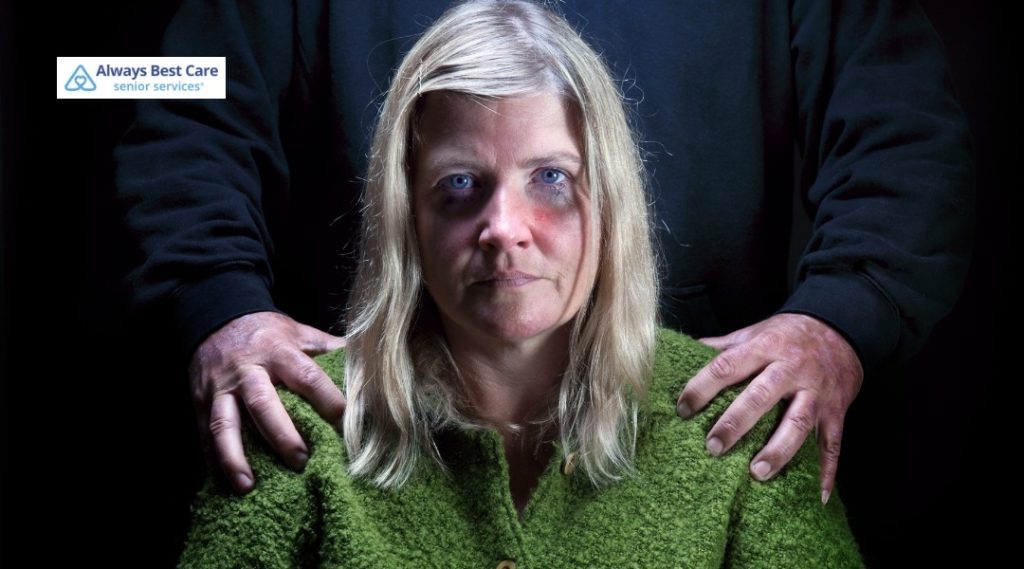
- Unexplained bruises, cuts, or recurring injuries
- Sudden withdrawal from social activities or conversations
- Noticeable decline in hygiene or living conditions
- Unusual financial transactions or missing valuables
- Anxiety, fearfulness, or visible discomfort around specific individuals
- Significant changes in mood, appetite, or sleep patterns
If something feels off, do not dismiss it. Trust your instincts and follow up with direct, private conversations with your loved one.
Who Is Most at Risk?
Elder abuse does not affect all seniors equally. Certain circumstances can increase vulnerability and make it harder for seniors to recognize or report what is happening to them.
Risk factors include:
- Social isolation — seniors with limited outside contact are more easily controlled or manipulated
- Cognitive decline — conditions like dementia reduce a senior’s ability to identify or communicate abuse
- Physical dependency — reliance on a caregiver for daily tasks can create power imbalances
- Caregiver burnout — overwhelmed caregivers are more likely to act out of frustration
- Financial vulnerability — seniors with significant assets or limited financial literacy are common targets
Identifying these risk factors early gives families the opportunity to intervene before harm occurs.
Practical Steps Families Can Take
Prevention is far more effective than response. Families who stay actively involved in a senior’s life are better positioned to detect problems early and create conditions where abuse is less likely to occur.
Effective prevention strategies include:
- Scheduling regular in-person visits and check-ins, not just phone calls
- Reviewing financial statements and legal documents periodically
- Getting to know the caregivers and professionals involved in your loved one’s care
- Encouraging your loved one to maintain friendships and community connections
- Having open, honest conversations about safety, boundaries, and concerns
- Addressing caregiver fatigue proactively by arranging respite care when needed
Transparency and consistent involvement are the most powerful tools families have.
The Role of Professional In-Home Care in Longview, TX
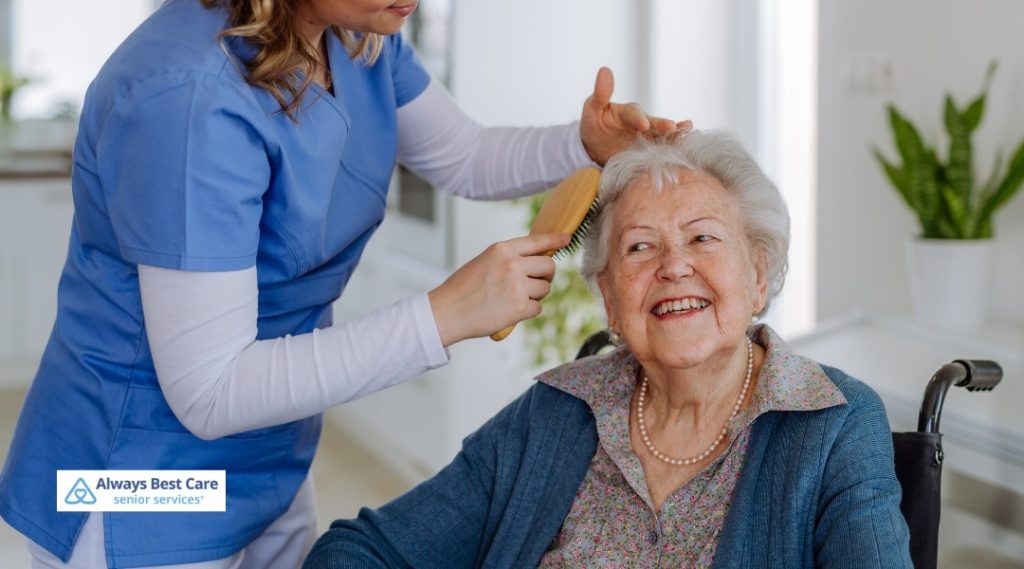
Professional in-home care plays a meaningful role in preventing elder abuse. Beyond helping with daily tasks, trained caregivers provide an additional layer of accountability and observation that family members alone cannot always maintain.
At Always Best Care of Longview, TX, every caregiver undergoes thorough screening, background checks, and ongoing training to ensure they meet the highest standards of professionalism and compassion. Caregivers are selected not only for their skills but for their character, because trust is the foundation of quality care.
In addition to providing hands-on support, caregivers are trained to recognize early warning signs and promptly communicate concerns to family members. This creates a collaborative safety net around the senior, ensuring that nothing goes unnoticed for long.
What to Do If You Suspect Abuse
If you believe a loved one is being abused, act quickly and calmly. Avoid confronting the suspected abuser directly, as this could put the senior at greater risk.
Steps to take:
- Speak privately with your loved one in a safe, comfortable setting
- Listen without judgment and document what they share
- Contact your local Adult Protective Services (APS) to file a report
- Consult with a healthcare provider if physical harm is suspected
- Call law enforcement immediately if there is any risk of imminent danger
Reporting abuse is not a betrayal; it is an act of protection. Many seniors cannot advocate for themselves, and families must be willing to step in.
Frequently Asked Questions About Elder Abuse
Q: What is the most common type of elder abuse?
A: Financial exploitation is among the most prevalent forms, though emotional abuse and neglect are also widely reported. In many cases, multiple types of abuse occur simultaneously.
Q: Who is most likely to commit elder abuse?
A: Studies show that the majority of elder abuse is carried out by someone known to the victim, a family member, romantic partner, or paid caregiver. Strangers account for a much smaller percentage of cases.
Q: Can professional caregivers help prevent elder abuse?
A: Yes. Vetted, trained caregivers provide consistent oversight and reduce the isolation that makes seniors vulnerable. They also serve as an objective set of eyes, often noticing changes that family members may overlook.
Q: What if my loved one denies the abuse?
A: This is common. Seniors may feel embarrassed, afraid of retaliation, or protective of the abuser. Continue to express concern, document what you observe, and consult with a professional or APS for guidance on next steps.

Building a Safer Environment for Seniors in Longview, TX
Creating a safe environment for an aging loved one is an ongoing commitment, not a one-time action. It requires regular communication, professional support, and a willingness to ask difficult questions.
At Always Best Care of Longview, we partner with families to build an environment that prioritizes safety, dignity, and genuine connection. Our caregivers do more than assist with daily routines; they become trusted presences in the lives of the seniors they serve.
If you are looking for reliable, compassionate care for your loved one, we are here to help. Call Always Best Care of Longview, TX at (855) 694-6573 to schedule a care consultation and learn how our team can support your family.
Link to the Markdown File version of the article