

Senior Scams Warning Signs in Longview, TX: How to Protect the People We Love
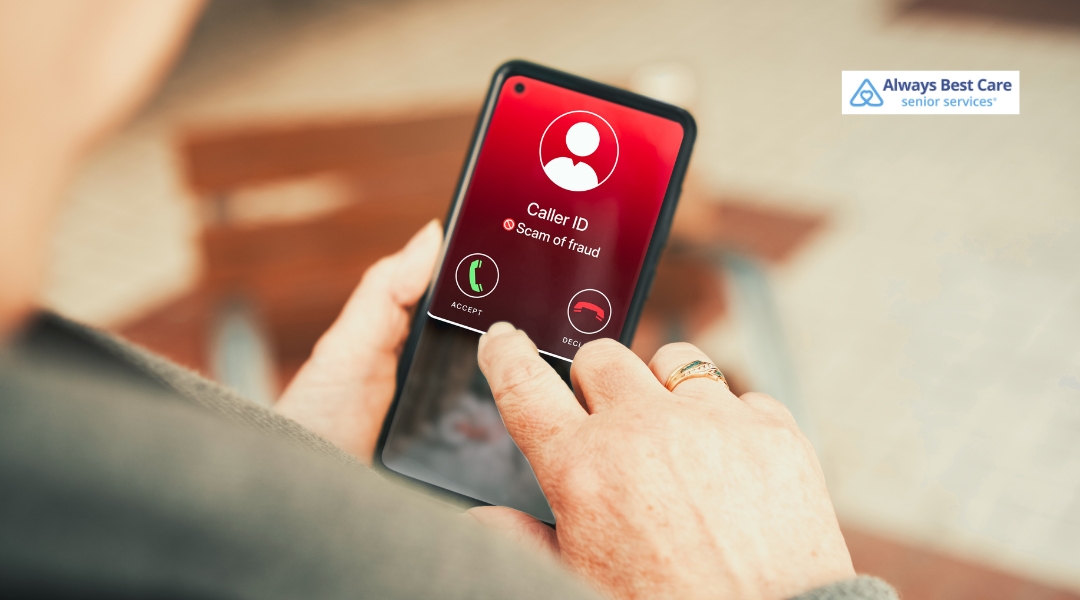
Senior scams aren’t just annoying; they can hit hard, leaving families stressed and loved ones shaken. The upside? Once we know what these schemes look like, we’re in a much better spot to stop them before real damage is done.
What you will learn:
- Why older adults are often targeted by scammers and how everyday factors like isolation, trust, and technology gaps increase their risk.
- The most common senior scams in Longview, TX, and the key warning signs that something isn’t right.
- Simple, loving steps families can take to help loved ones pause, double-check, and stay safer from fraud.
- How in-home caregivers can add an extra layer of companionship, awareness, and protection against scams.
Table of Contents
Why Scammers Target Older Adults
Scammers often go after older adults because they may seem easier to pressure, especially if they’re polite, financially stable, or not glued to the latest tech. On top of that, living alone or feeling isolated can make a person more likely to trust a stranger who sounds caring or official.
Senior Scams Warning Signs to Watch For
A scam usually has a few telltale signs, and they’re not hard to spot once you know the drill.
- Urgency: Someone insists that payment or action has to happen right now.
- Secretive requests: The caller says not to tell family members.
- Odd payment methods: Gift cards, wire transfers, or cryptocurrency are requested.
- Pressure tactics: Fear, panic, or guilt is used to push a quick decision.
- Requests for personal details: Bank info, Social Security numbers, or account passwords are asked for out of the blue.
If something feels off, it probably is. Better safe than sorry.
Common Senior Scams in Longview, TX
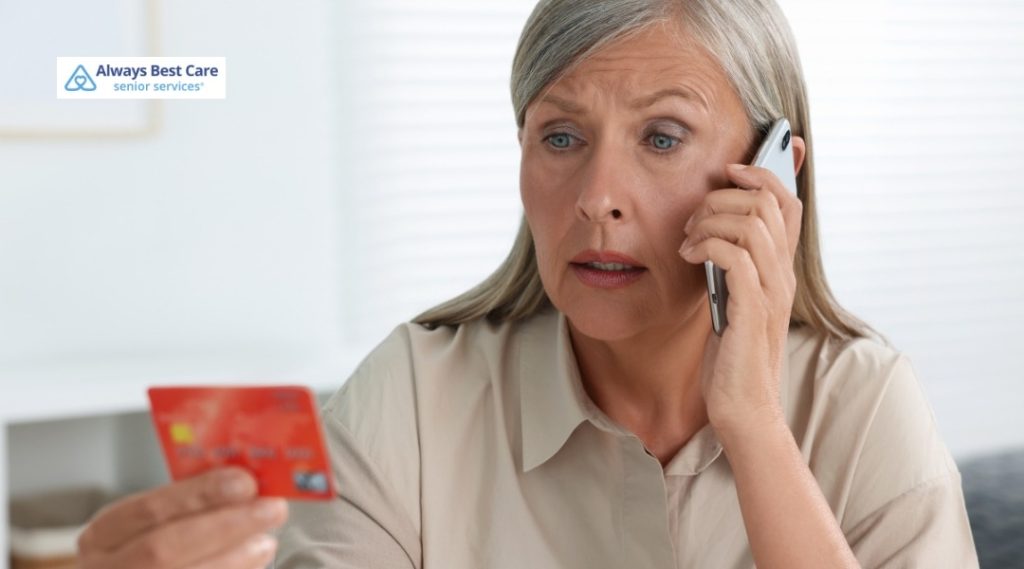
Phone Scams
A scammer may pretend to be a government worker, a utility rep, or even a grandchild in trouble. They count on emotion to cloud judgment.
Email and Text Scams
Fake messages can appear to come from banks, doctors, or well-known companies. One click, and boom, someone could be stealing private information.
Sweepstakes and Prize Scams
“You’ve won!” sounds exciting, but the catch is usually a fake fee or tax payment. In reality, there’s no prize at all.
Romance Scams
A scammer builds trust online, plays the long game, and then asks for money once the emotional bond is set.
Tech Support Scams
Pop-ups and phone calls may claim a device has a serious problem. Then comes the pitch for remote access or payment for a “fix” nobody asked for.

How We Can Protect Our Loved Ones
At Always Best Care of Longview, TX, we believe prevention starts with plain talk and steady support. We can help families put smart habits in place without making life feel locked down.
- Talk openly about the latest scams.
- Encourage a quick pause before sharing money or personal information.
- Check financial accounts for strange activity.
- Set up call blocking and email filters.
- Ask a trusted family member before making money decisions.
A little conversation goes a long way. And honestly, it can save a whole lot of trouble.
The Role of In-Home Care in Scam Prevention
A trusted caregiver can be an extra set of eyes and ears at home. That matters because scammers often zero in on people who are lonely, distracted, or unsure.
At Always Best Care of Longview, TX, we can help by:
- Watching for suspicious calls or unexpected visitors
- Noticing unusual behavior or money concerns
- Offering companionship that reduces isolation
- Encouraging communication with family members

What to Do If a Scam Might Have Happened
If we suspect a scam, speed matters.
- Contact the bank or financial institution right away.
- Report the incident to local authorities or adult protective services.
- Keep an eye on accounts for more suspicious activity.
- Offer calm reassurance instead of blame.
Many people feel embarrassed after being tricked, so a supportive response can make it easier for them to speak up.
Frequently Asked Questions
Q: What are the most common senior scams?
A: Phone scams, phishing emails, prize scams, romance scams, and fake tech support calls are among the most common.
Q: How can we tell if a message is a scam?
A: Look for pressure, secrecy, unusual payment requests, or demands for personal information. Those are classic red flags.
Q: What should we do if our loved one has already sent money?
A: Contact the bank immediately, report the scam, and monitor your accounts for any further suspicious activity.
Q: Can in-home care help reduce the risk of scams?
A: Yes. A caregiver can help notice warning signs, reduce isolation, and encourage safer choices.

Staying One Step Ahead With Care and Confidence
Senior scams can be sneaky, but they’re not unbeatable. With steady communication, a few smart safeguards, and support from Always Best Care of Longview, we can help keep our loved ones safer, more confident, and better protected at home.
If your loved one could use extra support, compassionate companionship, and a little added peace of mind at home, reach out to Always Best Care of Longview, TX at (855) 822-2227 to schedule a care consultation and learn how their team can help your family feel safer and more supported.
Link to the Markdown File version of the article