

Aging in Place with a Chronic Illness: How In-Home Care Promotes Independence in Longview

Home is more than four walls. For most seniors, it represents decades of memories, familiar routines, and a deep sense of belonging. That comfort becomes even more important after a chronic illness diagnosis, and the good news is that a diagnosis does not have to mean leaving home.
Conditions like heart disease, diabetes, COPD, Parkinson’s, and arthritis require ongoing management, but they do not automatically require a move to assisted living or a nursing facility. With the right in-home support, many seniors can continue living safely and independently in the place they love most.
What You Will Learn
- Why aging in place can help Longview seniors with chronic illnesses remain safe, comfortable, and independent.
- How personalized in-home care supports everyday routines, health needs, and mobility at home.
- How steady care and early awareness of changes can help prevent avoidable health setbacks.
- Why companionship and compassionate support bring comfort to seniors and peace of mind to families.
Table of Contents
Why Aging in Place Matters for Seniors with Chronic Illness
Research consistently shows that seniors who remain in familiar environments tend to experience better emotional outcomes and, in many cases, better physical ones too. Stability reduces stress, and reduced stress supports overall health; a meaningful advantage for anyone managing a long-term condition.
The challenge is that chronic illness often introduces new daily demands: medication schedules, dietary restrictions, mobility limitations, and frequent medical appointments. Without support, these demands can pile up quickly and put independence at risk.
In-home care bridges that gap. Rather than replacing what a senior can do, it fills in where help is genuinely needed, preserving dignity while reducing risk.

The Real Challenges Seniors Face at Home
Living with a chronic condition at home is manageable, but it is rarely simple. Seniors often deal with:
- Medication complexity — Multiple prescriptions with different schedules and dosage requirements
- Mobility limitations — Chronic pain or reduced strength that makes everyday movement difficult
- Fatigue — Low energy that turns routine tasks into significant efforts
- Fall risk — Increased vulnerability due to balance issues or medication side effects
- Isolation — Reduced social contact, which can worsen both mental and physical health
- Transportation barriers — Difficulty getting to and from medical appointments independently
Each of these challenges, left unaddressed, can accelerate health decline. Together, they can make staying home feel unsustainable, even when it does not have to be.
How In-Home Care Supports Daily Life in Longview
In-home caregivers provide hands-on, personalized support that adapts to each senior’s specific needs. The goal is not to take over; it is to make daily life more manageable so seniors can focus their energy on living well.
Practical support includes:
- Personal care assistance (bathing, dressing, grooming)
- Meal planning and preparation tailored to dietary needs
- Light housekeeping and laundry
- Grocery shopping and errands
- Transportation to medical appointments and follow-ups
- Medication reminders to support consistent adherence
This kind of consistent, day-to-day help makes a measurable difference — not just in safety, but in quality of life.

Consistency Is the Foundation of Chronic Illness Management
One of the most overlooked aspects of managing a chronic condition is consistency. Skipping a dose, missing a meal, or avoiding a follow-up appointment can seem minor in the moment but often leads to setbacks that are difficult to reverse.
In-home caregivers help seniors stay on track by:
- Reinforcing prescribed medication schedules
- Preparing balanced, condition-appropriate meals
- Encouraging adequate hydration
- Supporting physician-approved physical activity
- Ensuring medical appointments are kept
Over time, this steady support helps prevent the small lapses that often lead to larger health crises.
Catching Warning Signs Before They Become Emergencies
Frequent hospital readmissions are one of the most significant concerns for seniors with chronic illness. Many of these readmissions are preventable when warning signs are identified early.
Caregivers who spend regular time with a senior are often the first to notice subtle changes that family members or physicians might miss during brief visits.
Early warning signs caregivers watch for include:
- Decreased appetite or unexplained weight changes
- Increased fatigue or low energy
- Difficulty walking or new balance issues
- Shortness of breath or labored breathing
- Swelling in the legs or feet
- Confusion, mood shifts, or behavioral changes
When these signs are caught early and communicated to the care team, families can intervene before a manageable issue becomes a medical emergency.
The Emotional Side of Chronic Illness
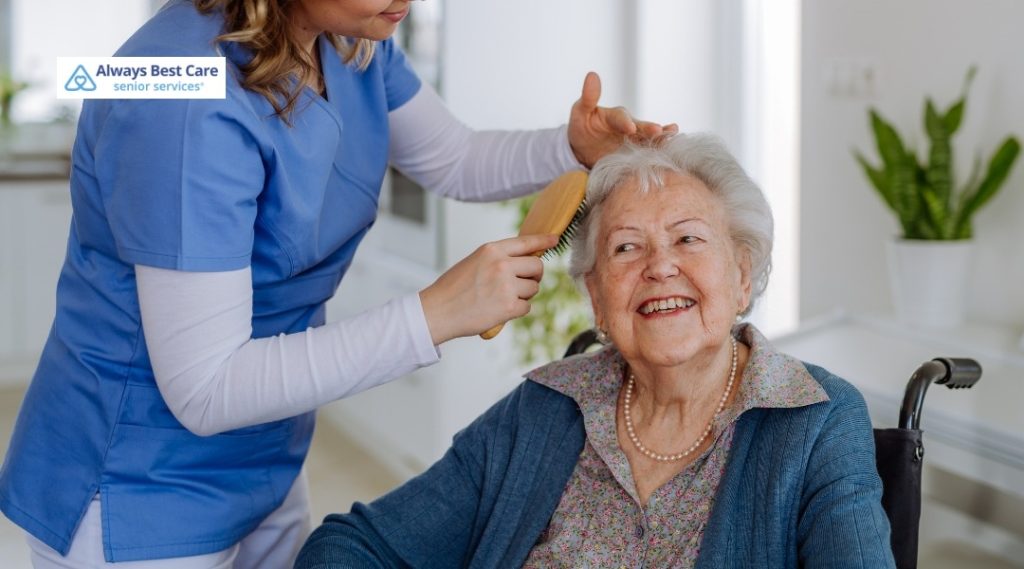
Physical symptoms are only part of the picture. Chronic illness frequently brings emotional challenges, frustration over lost abilities, anxiety about the future, and loneliness from reduced social engagement. These emotional burdens are real, and they directly affect physical health outcomes.
Companionship is a core component of quality in-home care. A caregiver who shares a meal, takes a walk, or simply listens can significantly reduce feelings of isolation. For families, knowing a trusted professional is present provides genuine peace of mind, especially when distance or work schedules limit how often they can visit.
How Always Best Care of Longview Can Help
At Always Best Care of Longview, we take a personalized approach to every client. Our caregivers work closely with families to develop care plans that reflect each senior’s health needs, daily preferences, and personal goals.
Whether your loved one is managing diabetes, recovering from a stroke, living with COPD, or navigating multiple conditions at once, our team provides compassionate, consistent support to help them remain safe, comfortable, and independent at home.
From medication reminders and meal preparation to transportation and companionship, we are here for the full picture, not just the clinical side.

Frequently Asked Questions
Q: What types of chronic conditions can in-home care support?
A: In-home care is well-suited for a wide range of chronic conditions, including heart disease, diabetes, COPD, Parkinson’s disease, arthritis, stroke recovery, and dementia. Care plans are tailored to each individual’s specific diagnosis and daily needs.
Q: Is in-home care a replacement for medical treatment?
A: No. In-home caregivers are not medical professionals and do not replace physicians or clinical care. They provide non-medical support — such as personal care, companionship, and daily task assistance — that complements a senior’s existing medical treatment plan.
Q: How do I know if my loved one needs in-home care?
A: Common signs include difficulty managing medications, struggling with daily tasks like cooking or bathing, increased fall risk, missed medical appointments, or noticeable social withdrawal. A care consultation can help assess the level of support needed.
Q: Can in-home care be adjusted as a senior’s condition changes?
A: Yes. One of the key advantages of in-home care is its flexibility. Care plans can be scaled up or down as a senior’s health needs evolve, ensuring the right level of support at every stage.
Q: How does in-home care help prevent hospital readmissions?
A: Caregivers provide consistent daily oversight, helping seniors stick to medication schedules, maintain proper nutrition, and stay active. They also monitor for early warning signs and communicate changes to family members and healthcare providers, reducing the likelihood of preventable hospitalizations.
Q: What is the first step to getting started with Always Best Care of Longview?
A: The first step is a care consultation. Contact Always Best Care of Longview at (855) 694-6573 to speak with our team, discuss your loved one’s needs, and explore the care options available to your family.
The Right Support Helps Home Remain Home
A chronic illness changes how a senior lives. It does not have to change where they live.
If your loved one needs extra support at home, contact Always Best Care of Longview to schedule a care consultation. Call us at (855) 694-6573 and let our team help your family find the right path forward.
Link to the Markdown File version of the article