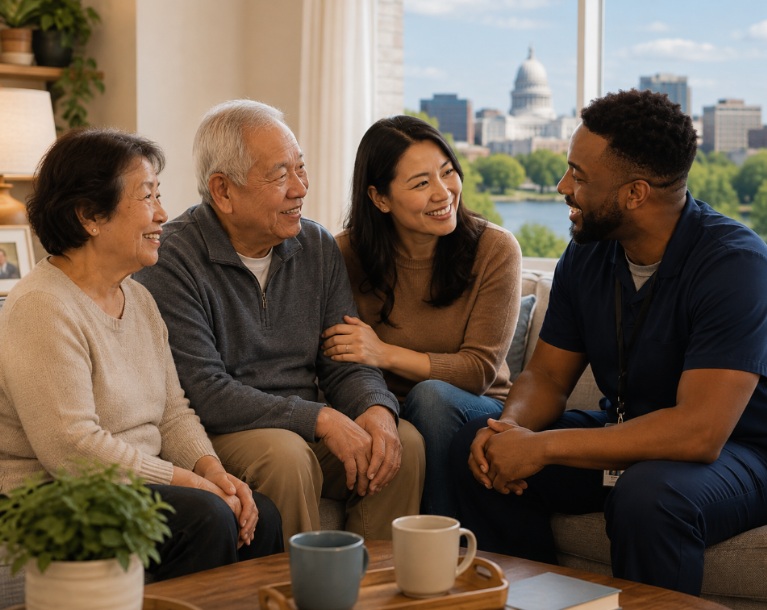
Reducing Isolation for Seniors in Fitchburg

As we age, staying connected becomes more important than ever. At Always Best Care of Madison, we understand how isolation can affect seniors and their families not just emotionally, but physically, too. That’s why supportive solutions, like home care services in Fitchburg, WI, are vital for cultivating happier, healthier lives. In this article, we’ll discuss why senior isolation happens, answer your questions about reducing loneliness, and share real-life, actionable ways you can help your loved ones feel more engaged and valued.
Table of Contents
Why Does Isolation Affect Seniors?
Growing older can mean changes in health, mobility, or living arrangements. These changes can make it harder to see friends, get outside, or participate in once-loved hobbies. Over time, these barriers may contribute to loneliness and reduced social connection, affecting a senior’s overall well-being.
Understanding the factors that contribute to isolation can help families recognize when an older loved one may benefit from additional companionship, engagement, and support.
Changes in Daily Life Can Limit Social Connection
Reduced mobility, changes in health, the loss of a spouse or close friend, and limited transportation can make social activities more difficult. Even seniors who enjoy living independently may gradually spend more time alone when getting out of the house becomes challenging.
Meaningful Connections Support Overall Well-Being
Regular interaction gives seniors opportunities to enjoy conversations, maintain relationships, and participate in activities that bring purpose to their day. The CDC identifies social isolation and loneliness as important public health concerns, reinforcing the value of helping older adults maintain meaningful connections.
What Are Simple Ways to Reduce Senior Isolation?
Staying connected doesn’t always require dramatic change. In fact, small, consistent efforts are the most effective:
- Regular Check-ins: Family members and friends can schedule weekly video calls or phone chats to give seniors something joyful to look forward to.
- Companion Visits: Home care professionals provide conversation, reminiscence, and a sense of normalcy; even brief visits make a difference.
- Shared Activities: Engaging in hobbies, attending local events together, or joining group classes encourages seniors to stay active in the community.
- Community Programs: Many neighborhoods offer senior centers, book clubs, or fitness classes designed solely for older adults to connect and thrive.
By layering these simple strategies, families can help seniors maintain old friendships and build new ones.
How Can Home Care Make a Difference?
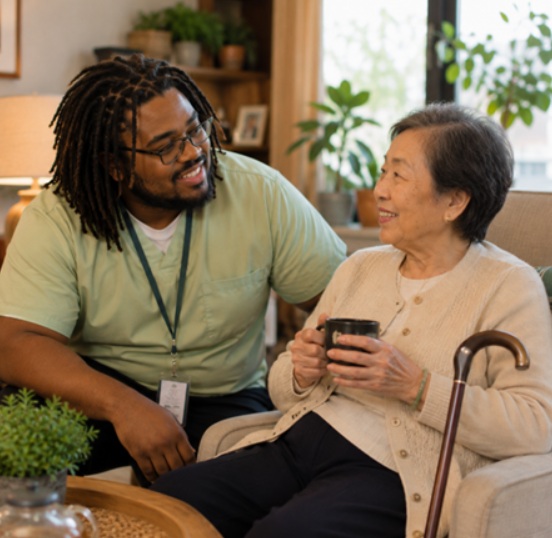
You may wonder whether professional support can truly help reduce isolation. Compassionate home care services can do more than assist with daily tasks; they can create opportunities for meaningful social interaction. Caregivers can also provide emotional support for senior mental well-being while helping older adults feel connected, heard, and valued.
Here’s how:
- Encouraging Engagement: Caregivers can help clients participate in community activities, attend faith-based gatherings, or simply enjoy time outdoors.
- Transportation Support: Assistance with transportation to appointments, family visits, or social outings can reduce barriers to staying connected and independent.
- Personalized Companionship: Every senior has different interests, and caregivers can tailor activities around what they enjoy, whether that’s gardening, crafts, music, or conversation.
These forms of support can encourage meaningful connections, build confidence, and help seniors find greater enjoyment in everyday routines.
What Can Families Do Right Now?
Families don’t have to wait for a major reason to reach out. Begin with open communication by asking your loved one what they miss, which activities they enjoy, or what would help them feel more connected. Families can also explore community programs, social activities, and home care services that encourage meaningful interaction.
When care needs or living preferences begin to change, families may also explore assisted living options with personalized guidance. Having support while considering different living arrangements can make it easier to identify options that reflect a senior’s needs, preferences, and desired level of independence.
Choosing a care partner that emphasizes compassion, consistency, and flexibility can provide more than assistance with everyday needs. Regular companionship and meaningful engagement can help older adults maintain familiar routines, participate in activities they enjoy, and feel more connected to the people around them.
Help Your Loved One Stay Connected and Engaged
If you’re seeking trusted solutions for reducing isolation, home care services in Fitchburg, WI, can provide opportunities for greater connection, purpose, and comfort. Always Best Care of Madison can help your family create meaningful routines based on your loved one’s individual needs. Call us today at (608) 315-2378 or connect with our care team for personalized support.