Helping Seniors in Madison Stay Comfortable While Managing COPD
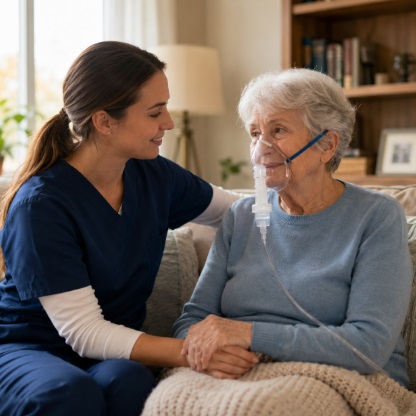
COPD can gradually affect many parts of a senior’s daily life, making once-simple routines feel more physically demanding. Tasks like climbing stairs, preparing meals, or walking across the home may become exhausting as breathing difficulties increase. For older adults in Madison, managing COPD often requires steady routines, lifestyle adjustments, and dependable support to maintain comfort and independence.
Although COPD is a chronic respiratory condition, many seniors are still able to enjoy meaningful daily routines and continue living safely at home with the right care plan in place. Families who understand the condition and stay proactive with support can help loved ones reduce complications and improve quality of life over time.
Table of Contents
How COPD Affects Older Adults Over Time
COPD is a long-term lung condition that restricts airflow and makes breathing more difficult. Chronic bronchitis and emphysema are the two most common forms of COPD, both of which may interfere with healthy lung function and oxygen exchange.
Older adults living with COPD may experience symptoms such as:
- Persistent coughing
- Wheezing
- Chest tightness
- Increased mucus production
- Fatigue
- Shortness of breath during activity
- Frequent respiratory infections
Because these symptoms often progress slowly, they are sometimes mistaken for normal aging. Recognizing changes early and maintaining consistent medical care may help seniors manage symptoms more effectively and remain safer at home.
Building a Supportive Home Routine
Healthy daily routines can play an important role in helping seniors manage COPD more comfortably. Consistency often helps reduce physical strain while supporting better respiratory wellness throughout the day.
Families can support seniors by encouraging:
- Consistent medication schedules
- Proper hydration
- Balanced nutrition
- Rest periods between activities
- Light physical movement
- Reduced exposure to respiratory irritants
Creating a calm, organized environment may also help reduce stress and make daily tasks easier to manage.
Improving Indoor Air Quality for Better Comfort
Air quality inside the home can significantly affect seniors with respiratory conditions. Dust, smoke, and chemical irritants may aggravate symptoms and make breathing more difficult.
Several practical changes may help create a healthier environment.
Keep Living Spaces Clean
Regular cleaning may help reduce allergens and airborne particles that irritate the lungs. Vacuuming floors, washing bedding, and minimizing dust buildup may improve comfort indoors.
Avoid Smoke and Harsh Odors
Smoke, strong fragrances, and chemical cleaning products may worsen coughing or breathing discomfort. Many seniors benefit from fragrance-free and low-irritant household products.
Maintain Proper Airflow
Changing HVAC filters consistently and maintaining good air circulation may help improve indoor breathing conditions throughout the home.
Monitor Humidity Levels
Air that is too humid or too dry may increase respiratory irritation. Maintaining balanced indoor humidity can help seniors breathe more comfortably year-round.
Caregivers can also assist with light housekeeping and daily support that contributes to a cleaner home environment.
Encouraging Safe Daily Movement
Many seniors with COPD become hesitant to stay active because physical movement can trigger shortness of breath. However, light activity may actually support circulation, mobility, and lung function when approached safely.
Activities may include:
- Short walks
- Gentle stretching
- Chair exercises
- Light household movement
- Breathing exercises recommended by healthcare providers
Even small amounts of consistent movement may help seniors maintain stamina and confidence over time.
Helping Seniors Stay Consistent with Treatment Plans
Managing COPD often requires medications, inhalers, oxygen therapy, or breathing treatments. Following treatment instructions carefully may help reduce flare-ups and support more stable respiratory health.
Caregivers and family members may assist seniors by:
- Providing medication reminders
- Monitoring oxygen equipment
- Organizing prescriptions
- Tracking symptom changes
- Encouraging healthy routines
This type of assistance may be especially valuable for seniors who live alone or have difficulty managing complex health routines independently.
Paying attention to symptom changes early may help prevent more serious complications and reduce the likelihood of hospitalization.
Signs Families Should Watch Closely
COPD symptoms may worsen gradually or suddenly. Recognizing warning signs early may help families respond more quickly and seek medical care before symptoms become severe.
Signs that may indicate worsening respiratory health include:
- Increased shortness of breath
- Wheezing or worsening cough
- Changes in mucus color or thickness
- Fever or infection symptoms
- Increased fatigue
- Dizziness or confusion
- Difficulty completing normal activities
Prompt medical attention may help seniors recover more safely and avoid additional respiratory complications.
How Always Best Care of Madison Can Help
At Always Best Care of Madison, we understand how challenging COPD can become for seniors and their families. Our caregivers provide dependable support that helps older adults maintain comfort, confidence, and safer routines while continuing to live at home.
Our caregivers can assist with:
- Medication reminders
- Meal preparation and hydration support
- Light housekeeping
- Encouraging safe mobility
- Transportation assistance
- Emotional support and companionship
For seniors who require additional medical assistance, home health services may also provide skilled nursing support and coordination with healthcare providers.
Supporting Seniors with Compassionate In-Home Care
COPD can create ongoing challenges, but seniors can still maintain comfort and independence with proper support. Healthy routines, proactive symptom management, and compassionate caregiving may help older adults continue enjoying safer and more manageable daily lives at home.
Call Always Best Care of Madison today at (608) 315-2378 to schedule a care consultation and learn how our caregivers can help support your loved one’s respiratory health and overall comfort at home.