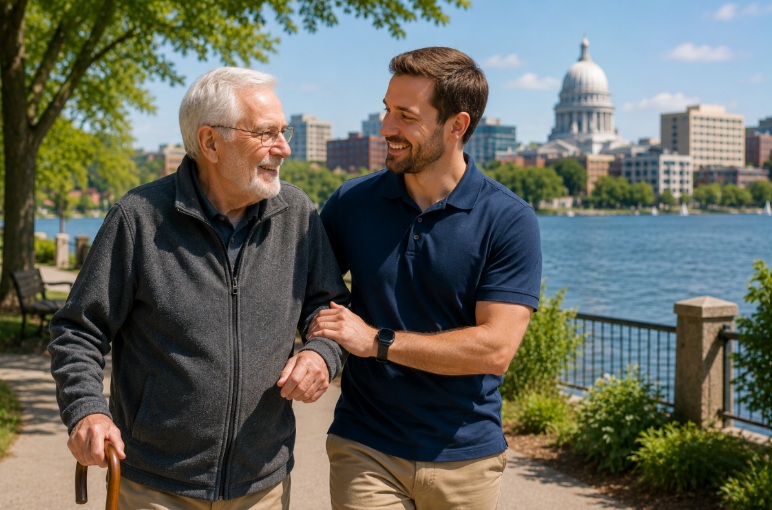
Aging in Place with a Chronic Illness: Supporting Independence in Madison
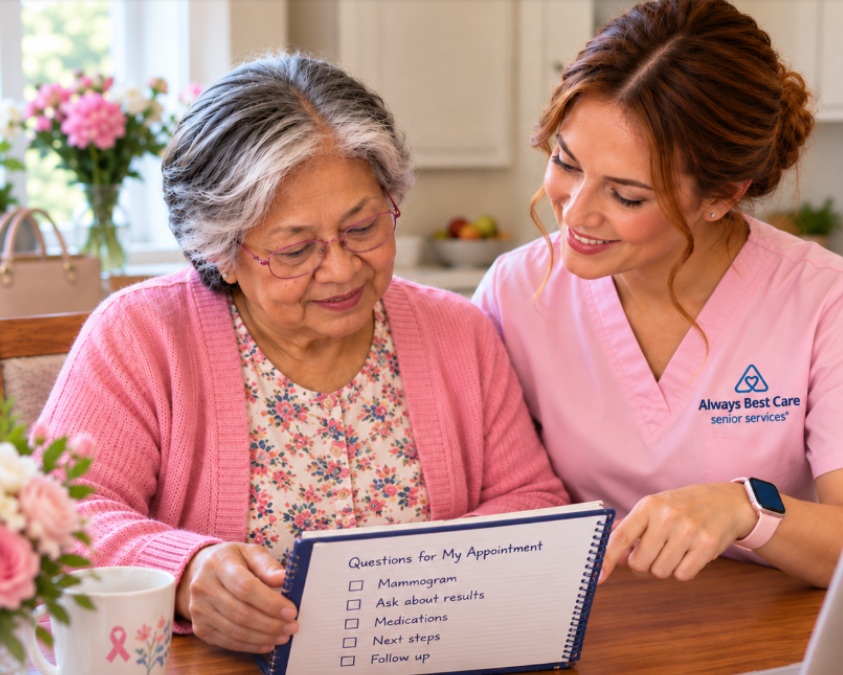
For many older adults, home represents comfort, familiarity, and years of meaningful memories. It is where daily routines feel natural and where seniors often feel most confident. When an older adult is diagnosed with a chronic condition, the desire to remain in that familiar environment can become even more important.
Conditions such as heart disease, diabetes, arthritis, COPD, Parkinson’s, and other ongoing health concerns may change how seniors approach everyday activities. Tasks that were once simple can require more energy, planning, or assistance. However, a chronic condition does not automatically mean a senior must leave home.
With personalized in-home support, many older adults in Madison can continue managing their daily routines while maintaining greater independence. Caregivers can provide assistance where it is needed while encouraging seniors to remain involved in the activities, they can safely manage themselves.
Table of Contents
Understanding the Challenges of Chronic Conditions
Unlike an illness that improves after a short period of treatment, chronic conditions often require ongoing management. Seniors may need to keep track of medications, attend medical appointments, follow dietary recommendations, monitor symptoms, and adjust activities based on their abilities.
Common challenges may include:
- Managing multiple medications and treatment plans
- Reduced mobility or ongoing discomfort
- Fatigue that makes household responsibilities more difficult
- Increased risk of falls or injuries
- Transportation to medical appointments
- Feelings of loneliness or social isolation
When several challenges occur at the same time, they can make daily life harder for seniors and the family members supporting them.
Having dependable assistance at home can make these responsibilities more manageable without unnecessarily taking away a senior’s independence.
Maintaining Independence with Personalized Support
Every senior experiences chronic illness differently. The amount and type of assistance needed may depend on the condition, mobility, living situation, and existing support system.
One of the advantages of in-home care is the ability to personalize assistance around those individual needs. A caregiver can step in for activities that have become difficult while allowing the senior to continue handling tasks they can safely complete.
For example, one senior may need help preparing meals and getting to appointments, while another may benefit from personal care, medication reminders, or assistance around the home.
This individualized approach helps older adults remain involved in their routines and decisions. It can also give family members reassurance that their loved one has dependable support while continuing to live in familiar surroundings.
Making Everyday Activities Easier in Madison
Routine activities can become more demanding when a senior is dealing with reduced mobility, fatigue, discomfort, or other effects of a chronic condition. Assistance with these responsibilities can help conserve energy for health needs, family time, hobbies, and other meaningful activities.
Depending on the senior’s needs, caregivers may assist with:
- Bathing, dressing, and personal care
- Meal planning and preparation
- Light housekeeping and laundry
- Grocery shopping and errands
- Transportation to appointments
- Medication reminders
Care can also be adjusted as circumstances change. A senior who initially needs only a few types of assistance may require additional support later, while others may maintain a similar routine for an extended period.
Having flexible support makes it easier for families to respond to changing needs without immediately disrupting the senior’s living environment.
Building Healthy and Consistent Daily Routines
Consistency plays an important role in managing many ongoing health conditions. Missed medications, skipped meals, inadequate hydration, or forgotten appointments can make an already complicated care routine more difficult.
Caregivers can help seniors stay organized by supporting habits such as:
- Following prescribed medication schedules
- Eating balanced and nutritious meals
- Drinking fluids regularly throughout the day
- Participating in physician-approved physical activity
- Keeping scheduled healthcare appointments
These services do not replace medical treatment or advice. Instead, they provide practical support that can make it easier for older adults to follow the recommendations of their healthcare providers.
For a senior managing a chronic illness, consistent assistance at home may help make everyday health routines easier to maintain.
Recognizing Changes Before They Become More Serious
Some chronic conditions can lead to hospital visits when symptoms change or worsen. While in-home caregivers do not replace physicians or nurses, regular interaction with a senior can make it easier to notice when something appears different from the usual routine.
Changes families and caregivers may notice include:
- Reduced appetite or changes in eating habits
- Increased or unusual fatigue
- New difficulty walking or moving safely
- Swelling or noticeable changes in mobility
- Confusion or changes in behavior
When something unusual is noticed, families can communicate those concerns to the senior’s healthcare provider. Addressing changes promptly may help prevent a manageable concern from becoming more serious.
Creating a Safer and More Manageable Home Routine
A chronic condition may affect strength, balance, coordination, stamina, or mobility. These changes can make ordinary household activities more difficult and may increase the risk of injury.
Caregiver assistance can help seniors navigate their routines with greater confidence. Light housekeeping can keep frequently used areas more organized, while help with physically demanding tasks can reduce unnecessary strain.
For seniors with limited energy, assistance with laundry, meal preparation, errands, and other household responsibilities may be particularly valuable. Conserving energy for personal care, appropriate activity, and enjoyable experiences can help seniors maintain a more balanced daily routine.
Support should complement the senior’s abilities rather than unnecessarily replacing them. Encouraging older adults to remain involved in tasks they can safely perform helps preserve confidence and independence.
Supporting Emotional and Social Well-Being
Living with a chronic health condition affects more than physical abilities. Changes in mobility, routines, and independence may leave some seniors feeling frustrated, worried, or isolated.
Companionship can provide an important source of social and emotional support. A caregiver may spend time talking with a senior, sharing meals, participating in hobbies, or accompanying them during appropriate activities.
Regular interaction can help older adults remain socially engaged while providing another dependable presence in their routine. For families who cannot visit every day, knowing a trusted caregiver is spending meaningful time with their loved one can also provide valuable peace of mind.
How Always Best Care of Madison Helps Seniors Age in Place
At Always Best Care of Madison, we understand that no two seniors experience chronic conditions in exactly the same way. Each person has different routines, preferences, abilities, health concerns, and goals.
Our caregivers provide personalized assistance designed to help make everyday life at home more manageable. Whether a loved one is living with diabetes, COPD, mobility challenges, or multiple ongoing health concerns, having dependable support can help them continue their routines in familiar surroundings.
Caregiver assistance may include:
- Meal preparation
- Medication reminders
- Personal care
- Light housekeeping
- Transportation assistance
- Companionship
- Support with everyday routines
By focusing assistance on the areas where it is most useful, caregivers can help older adults maintain greater independence while giving families additional support.
Helping Madison Seniors Continue Living at Home
A chronic condition may change how an older adult approaches daily life, but it does not necessarily have to determine where that person lives. With thoughtful planning and the right level of assistance, many seniors can continue enjoying the familiarity and comfort of home.
In-home care can also make responsibilities more manageable for family caregivers. Having professional assistance available provides another source of dependable support while helping a loved one maintain routines that contribute to comfort and quality of life.
If your loved one is managing an ongoing health condition and needs additional assistance at home, Always Best Care of Madison can help you explore personalized care based on their individual needs.
Call Always Best Care of Madison at (608) 234-4761 to learn more about in-home care services that can help your loved one remain safe, comfortable, and independent at home.