Why Great Caregivers Matter in Home Care
Choosing home care is about more than arranging help with daily routines. It is about trusting another person with a loved one’s comfort, dignity, safety, and independence. When families compare home care services in Madison, WI, they often focus first on schedules and tasks. However, the caregiver who enters the home can shape the entire experience.
At Always Best Care of Madison, we believe strong care begins with compassionate people who are carefully screened, thoroughly trained, bonded, insured, and supported through ongoing education. This careful approach helps families feel more confident about the person providing everyday support.
Table of Contents
Why Does the Right Caregiver Make Such a Difference?
A caregiver’s skill matters, but character matters too. Great caregivers arrive with patience, respect, and close attention. They notice when a senior seems unusually quiet, when a familiar routine becomes harder, or when the home feels less orderly than usual. Then, they share concerns through the proper channels.
This steady presence also builds trust. As trust grows, seniors may feel more comfortable accepting help with bathing, dressing, meal preparation, errands, light housekeeping, mobility support, and companionship. As a result, care feels less like a list of chores and more like a respectful partnership.
How Great Caregivers Build Trust Over Time
Trust rarely comes from one interaction. For many older adults, becoming comfortable with in-home assistance takes time. A caregiver who arrives consistently, listens carefully, and respects established routines can gradually become a familiar part of the senior’s day.
Small actions can make a meaningful difference. Remembering how someone likes breakfast prepared, knowing which activities they enjoy, or allowing extra time for a morning routine can show that care is centered on the individual rather than simply completing tasks.
Families can look for several signs that a positive caregiving relationship is developing:
- The senior feels comfortable communicating preferences. A strong caregiver encourages the older adult to express what they want and how they prefer tasks to be handled.
- Daily routines remain familiar. Assistance should fit naturally into established habits whenever possible rather than unnecessarily changing them.
- The caregiver communicates consistently. Appropriate updates can help family members understand how everyday routines are going.
- Support adjusts as needs change. A senior may need more assistance on some days and greater independence on others.
- Respect remains part of every interaction. Privacy, personal choices, and dignity should remain priorities regardless of how much assistance is needed.
A dependable relationship can make receiving home care feel more comfortable for the senior while giving family members greater confidence in the support being provided.
How Do Caregivers Protect Independence and Dignity?
Good home care does not take over a person’s life. Instead, it supports what the person can still do while offering help where it is needed. For example, a caregiver might place clothing within easy reach, prepare a balanced meal with the senior’s preferences in mind, or provide a steady arm during a household routine.
We also recognize that dignity lives in small choices. Asking permission, listening without rushing, and respecting personal habits can help seniors stay involved in their own care. Because the agency’s in-home support is non-medical, caregivers focus on daily living, companionship, and practical assistance within the care plan.
Personalized Care Starts with Understanding the Individual
Two seniors receiving the same type of home care may need very different approaches. Personal preferences, routines, abilities, interests, and family involvement can all influence how support should be provided.
Respect for Personal Routines
Familiar routines can provide comfort and predictability. A caregiver can learn when a senior prefers to eat, how they like household activities organized, which hobbies they enjoy, and where they prefer assistance.
Supporting these established patterns can help home care feel less disruptive while allowing the senior to remain connected to the lifestyle they know.
Meaningful Companionship
Companionship is more than simply being present in the home. Conversation, shared hobbies, looking through photographs, playing a favorite game, or accompanying a senior on an appropriate outing can provide meaningful interaction.
The best activities depend on the individual’s interests and abilities. Caregivers can adapt companionship so it feels natural rather than treating social interaction as another task to complete.
Flexible Everyday Assistance
Needs can change from one day to another. A senior who usually manages part of a routine independently may occasionally need additional help because of fatigue or other changes in their day.
Attentive caregivers can follow the established care plan while adjusting their approach to the senior’s current needs. This balance helps provide assistance without unnecessarily taking over activities the person can still manage.
What Qualities Should Families Expect from a Great Caregiver?
We look beyond availability. A dependable caregiver should demonstrate:
- Reliability: Arriving as scheduled and following the agreed-upon routine.
- Respect: Protecting privacy, honoring preferences, and speaking with kindness.
- Observation: Noticing meaningful changes in mood, comfort, appetite, or daily ability.
- Communication: Sharing useful updates clearly and promptly with the care team.
- Adaptability: Responding calmly when needs, energy levels, or routines change.
What Families Can Look for in Quality Home Care
When comparing home care options, families can consider more than the number of services listed on a website. The way an agency selects, prepares, and supports its caregivers can directly influence the family’s experience.
| What to Consider | Why It Matters |
|---|---|
| Caregiver screening | Helps families understand how caregivers are evaluated before entering clients’ homes |
| Training | Prepares caregivers to provide dependable non-medical assistance |
| Caregiver matching | Helps align personalities, preferences, and appropriate experience |
| Communication | Keeps families informed about relevant everyday observations |
| Consistency | Allows seniors to become familiar with caregivers and routines |
| Ongoing support | Gives caregivers access to agency guidance as client needs evolve |
Families can also ask how care plans are developed, how schedule changes are handled, and who they should contact when questions arise. Understanding these details before care begins can help families know what to expect from the relationship.
Why Do Consistency and Caregiver Matching Matter?
Consistency can reduce stress for seniors who value familiar faces and predictable routines. It also gives caregivers time to understand personal preferences, communication styles, and household patterns. That knowledge can make each visit smoother and more personal.
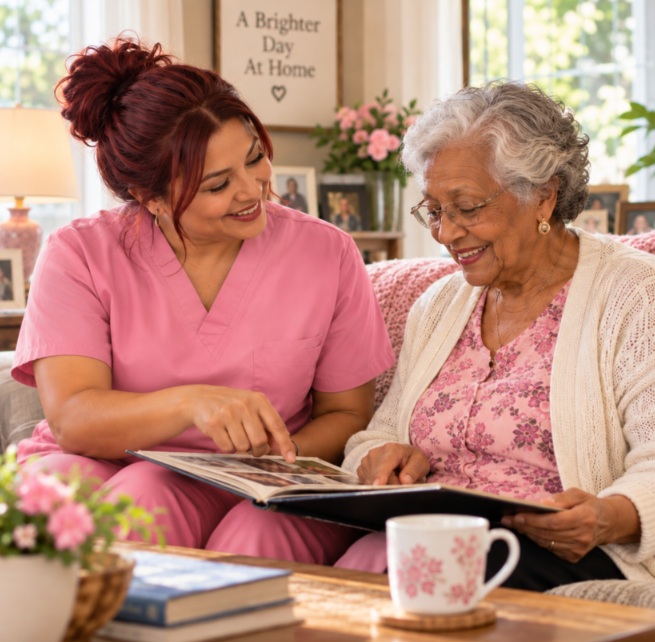
Caregiver matching matters for the same reason. Shared interests, compatible personalities, and the right level of experience can strengthen the relationship. Meanwhile, ongoing training helps caregivers respond with confidence as a person’s needs change, including situations where families may benefit from greater breast cancer awareness and support for older adults. The agency combines established national standards with attentive personal service, an approach designed to support dependable care.
Creating a More Comfortable Home Care Experience
A successful home care relationship involves the senior, caregiver, family, and agency working together. Clear expectations at the beginning can help everyone understand the routines and preferences that matter most.
How Can Families Help a New Caregiver Get Started?
Families can share practical information about the senior’s preferred routines, favorite activities, communication style, household habits, and areas where assistance is most useful. It can also help to explain what the older adult prefers to do independently.
This information gives the caregiver a better understanding of the person behind the care plan. As the relationship develops, preferences can continue to be communicated so assistance remains personalized.
What Should Families Do When Care Needs Change?
Care needs are not always static. Families may notice that certain routines are becoming more difficult or that the senior would benefit from additional assistance at particular times of day.
Instead of informally asking a caregiver to take on responsibilities outside the established plan, families can communicate changing needs to the agency. This allows the appropriate team members to review the situation and determine whether the care plan or schedule should be adjusted.
Everyday Signs That Additional Home Support May Help
Families do not always begin considering home care because of one major event. Sometimes several smaller changes gradually make everyday life more difficult for an older adult.
A senior may begin struggling to keep up with household responsibilities, preparing regular meals, getting dressed, completing errands, or maintaining social routines. Family members may also notice that they are spending more time coordinating daily assistance and have less time for their own responsibilities.
These changes do not automatically determine how much care a person needs. However, they can provide a useful starting point for a family conversation about whether additional assistance could make daily life easier.
Home care can then be personalized around the areas where support is actually needed. Some seniors may benefit from companionship and light household assistance, while others may need more regular help with personal care and daily routines. Matching assistance to the individual’s current abilities helps preserve independence while providing practical support.
In-home care services in Madison can be personalized around the areas where support is actually needed. Some seniors may benefit from companionship and light household assistance, while others may need more regular help with personal care and daily routines. Matching assistance to the individual’s current abilities helps preserve independence while providing practical support.
How Do Great Caregivers Support the Whole Family?
Family members often carry many roles at once. They may coordinate appointments, manage a household, work, and provide emotional support. A trusted caregiver can ease that pressure by handling agreed-upon daily tasks, offering steady companionship, and giving families more room to prioritize self-care strategies that support family caregivers.
Reliable home care can also give relatives more flexibility in how they spend time with an aging loved one. Instead of every visit revolving around chores or household responsibilities, family members may have more opportunities for conversation, shared activities, and meaningful time together.
Professional caregivers do not replace the family’s relationship with the senior. Their role is to complement the support already being provided and help make the overall routine more sustainable.
Choosing Care with Confidence
When families compare home care services in Madison, WI, we encourage them to look beyond a task list and ask how caregivers are selected, prepared, matched, and supported. At Always Best Care of Madison, we bring compassionate consistency and personal service to every care relationship. To discuss dependable support for a loved one, call us at (608) 315-2378 today or tell us what matters most in your home care services so we can address your family’s priorities.