Silent No More: Understanding Osteoporosis Symptoms and Staying Strong in Later Life
Osteoporosis doesn’t usually come knocking with loud alarms. Nope, it’s more like a quiet guest slipping in unnoticed—until something feels off. One day, everything seems fine, and the next, a simple movement feels a bit more delicate than before.
That’s why understanding the subtle signals matters so much. When families and seniors know what to look for, they’re in a better position to act early, stay safe, and keep life moving forward with confidence.
What You Will Learn
- Early signs and hidden symptoms of osteoporosis
- How bone changes affect everyday movement
- Simple awareness tips for seniors and families
- Ways to support strength and safety at home
Table of Contents
Does Osteoporosis Have Symptoms? Understanding the Early Clues
Here’s the tricky part—osteoporosis often doesn’t wave a big flag saying, “Hey, I’m here!”
Instead, it creeps in slowly. Many people don’t realize anything is happening until bones become fragile or a fracture occurs from something as small as a stumble.
So yes, symptoms exist—but they’re subtle, easy to miss, and often mistaken for normal aging.
Subtle Signs of Osteoporosis: Does Osteoporosis Have Symptoms
Even though osteoporosis is often called a “silent condition,” there are a few warning signs worth watching for.
Common changes may include:
- Gradual loss of height
- Back pain or discomfort
- Stooped or curved posture
- Bones that break more easily than expected
- Feeling “weaker” during everyday movement
Now, none of these on their own screams osteoporosis. But put them together? That’s where the picture starts to become clearer.
Why Osteoporosis Often Goes Unnoticed
Let’s be honest—most people chalk these changes up to aging. And fair enough, right? Bodies do change over time.
But osteoporosis is sneaky. It doesn’t usually hurt at first. Instead, it quietly weakens bones in the background.
That’s why it’s often called a “silent” condition. By the time pain or fractures show up, bone loss may already be significant.
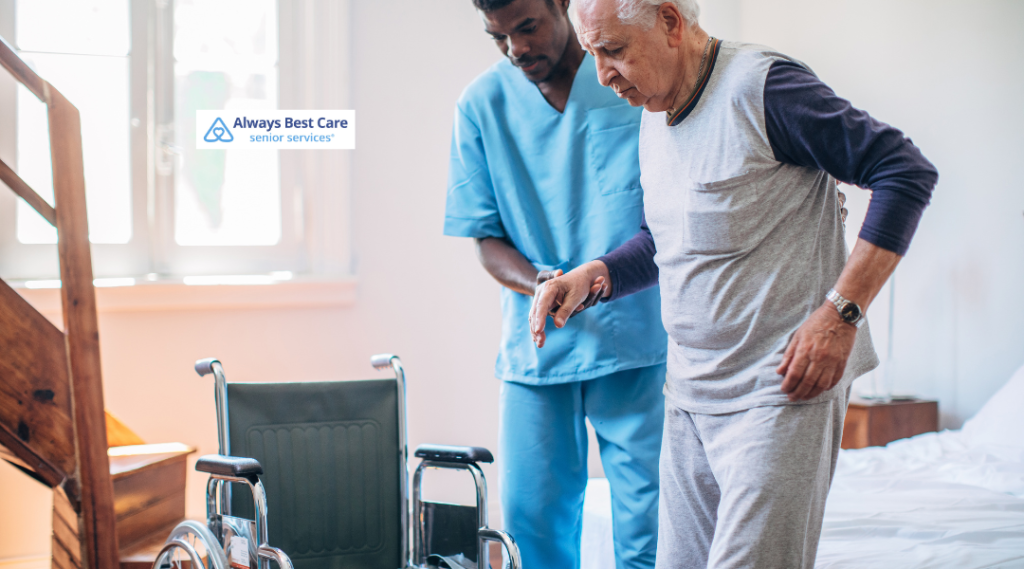
How Bone Changes Affect Everyday Life
When bones lose density, even simple tasks can feel different.
Things like:
- Standing up from a chair
- Reaching for items on a shelf
- Walking on uneven ground
- Stepping off a curb
Suddenly, require more caution than before. It’s not about fear—it’s about awareness.
And once you notice those small hesitations, it’s worth paying attention.
Staying Safe and Strong at Home
The good news? Awareness is powerful. And small lifestyle adjustments can make a big difference.
Here are a few simple ways to support bone health and safety:
Everyday habits that help:
- Gentle weight-bearing exercises like walking
- Balanced meals rich in calcium and vitamin D
- Keeping living spaces clutter-free
- Using proper lighting in hallways and stairs
- Regular check-ins with healthcare providers
Nothing fancy—just steady, consistent care.

The Role of Family in Early Awareness
Family members often notice changes first. Maybe it’s a slower walk, or a more cautious way of moving around the house.
And honestly, that observation can be a game-changer.
A simple conversation like, “Hey, have you noticed any back pain lately?” can open the door to early support and prevention.
It’s not about worry—it’s about looking out for each other.
Does Osteoporosis Have Symptoms and What They Really Mean
So, does osteoporosis have symptoms? The short answer: yes, but they’re quiet ones.
They don’t always show up loudly or suddenly. Instead, they whisper through small changes—posture shifts, subtle pain, or unexpected fractures.
The key is not to ignore those whispers.
Because when caught early, there’s a lot that can be done to slow progression and protect independence.
FAQs
Q: What is osteoporosis in simple terms?
A: Osteoporosis is a condition where bones become weaker over time, making fractures more likely.
Q: Can osteoporosis be reversed?
A: It can’t be fully reversed, but with treatment, diet, and lifestyle changes, it can be managed effectively.
Q: Who is most at risk of osteoporosis?
A: Older adults, especially women after menopause, are at higher risk, along with people with low calcium intake or inactive lifestyles.
Q: How can Always Best Care of Manchester help seniors with osteoporosis?
A: Always Best Care of Manchester supports seniors by assisting with safe mobility, daily routines, and fall prevention strategies to promote independence and confidence at home.

Stay Strong, Stay Aware—Know the Signs of Osteoporosis
Osteoporosis may be silent, but it doesn’t have to stay unnoticed. With a little awareness and a closer eye on everyday changes, seniors and families can take meaningful steps toward prevention and safety.
And here’s the thing—support makes all the difference. Whether it’s helping with daily movement, creating a safer home, or simply offering reassurance, having the right care in place brings peace of mind.
If you or a loved one needs extra support staying safe and active at home, reach out to Always Best Care of Manchester today at (860) 533-9343. A safer, stronger tomorrow can start with one simple conversation.
Link to the Markdown File version of this article.