

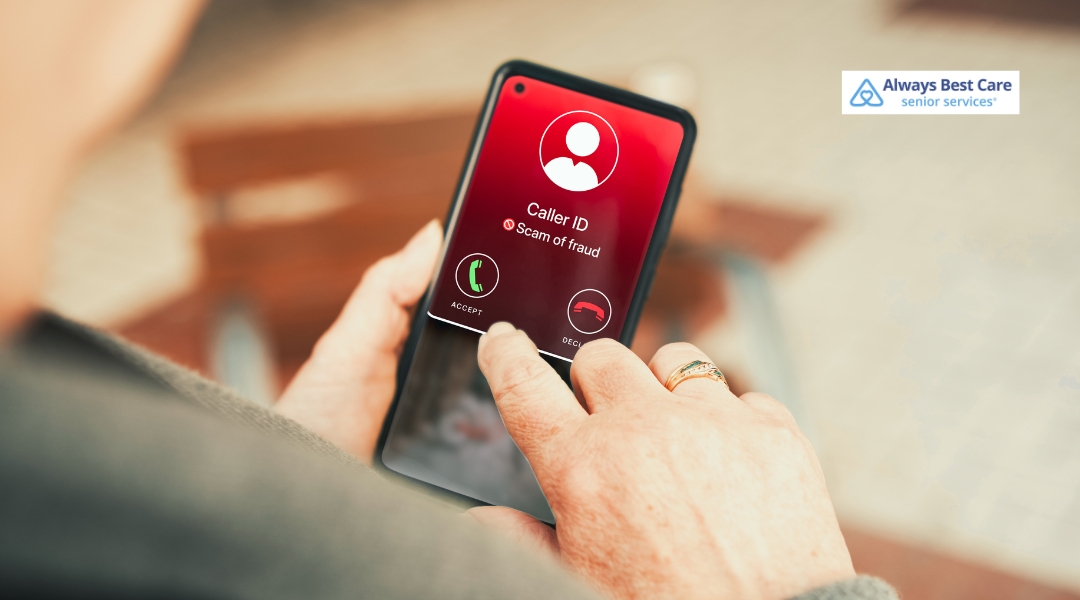
Scammers are getting craftier by the day, and sadly, older adults are often in their crosshairs. In Manchester, CT, families are seeing more phone calls, emails, and online tricks aimed squarely at seniors who just want to live peacefully and independently.
Because many older adults grew up in a world where a handshake meant something and doors were rarely locked, they may not always spot the traps hidden in a friendly voice or a “too good to be true” offer. That’s exactly what scammers count on.
The upside? With solid information, a bit of skepticism, and open conversations, we can dramatically lower the odds that a loved one gets taken for a ride.
What you will learn:
- Why our precious older adults are so frequently targeted, and the most common sneaky tricks scammers are using in Manchester.
- The telltale red flags and warning signs that will help you spot a scam before it causes any harm.
- Heartwarming, proactive ways your family and dedicated in-home caregivers can team up to build a wonderful protective shield around your cherished relatives.
- Gentle, clear action steps to take with love and confidence if you ever suspect a scammer has contacted your sweet family member.

Table of Contents
Why Seniors Are Often Targeted by Scammers
Fraudsters rarely pick targets at random. They know who’s more likely to answer the phone, open the door, or trust a “helpful” stranger. Older adults may be targeted because they often:
- Are naturally polite and trusting, even when something feels a little off
- Have savings, retirement funds, or a steady income that scammers want to tap into
- Live alone or feel isolated, making them more likely to chat with callers
- Aren’t as familiar with online tricks, pop-ups, and digital fraud
Put together, these factors can make it easier for a scammer to build fake trust and slowly push someone into sharing information or sending money.
Common Types of Senior Scams in Manchester, CT
Scams come in many flavors, but a few patterns show up again and again. Knowing these can help us spot trouble before it snowballs.
Phone Scams
A scammer calls out of the blue, sounding confident and urgent. They might:
- Pretend to be a government agency, utility company, or bank
- Claim there’s a “problem” that needs immediate payment
- Pose as a grandchild or relative in trouble, begging for quick help
They’ll often insist on secrecy and pressure the senior to act right now.
Email and Phishing Scams
These scams land in the inbox or as text messages. They may:
- Looks like they’re from a bank, Medicare, Social Security, or a known company
- Ask the person to “verify” account details or reset a password
- Include links to fake websites designed to steal personal information
One careless click can open the door to stolen identities and drained accounts.
Sweepstakes and Lottery Scams
Here, the hook is excitement. The senior is told they’ve “won” a big prize, but:
- They must pay “fees,” “taxes,” or “processing costs” first
- The scammer keeps requesting more payments as “issues” pop up
- In reality, there’s no prize at all—just money going out and nothing coming back
Romance Scams
Online companionship can feel like a lifeline, especially for someone lonely. Scammers know this and:
- Build emotional bonds through social media or dating sites
- Share personal stories, send flattery, and gain trust over time
- Eventually, ask for money due to a supposed emergency or hardship
By the time money changes hands, the emotional attachment is already strong.
Tech Support Scams
These scams usually start with:
- A pop-up warning on the computer claiming a virus has been detected
- A phone call from someone pretending to be from a well-known tech company
The scammer may ask for remote access to the computer or demand payment for “repairs” that aren’t needed, sometimes installing harmful software along the way.
Warning Signs of Senior Scams: What Should Raise a Red Flag?
Most scams share a few classic moves. If we keep an eye out for them, we’re already a step ahead.
Watch for:
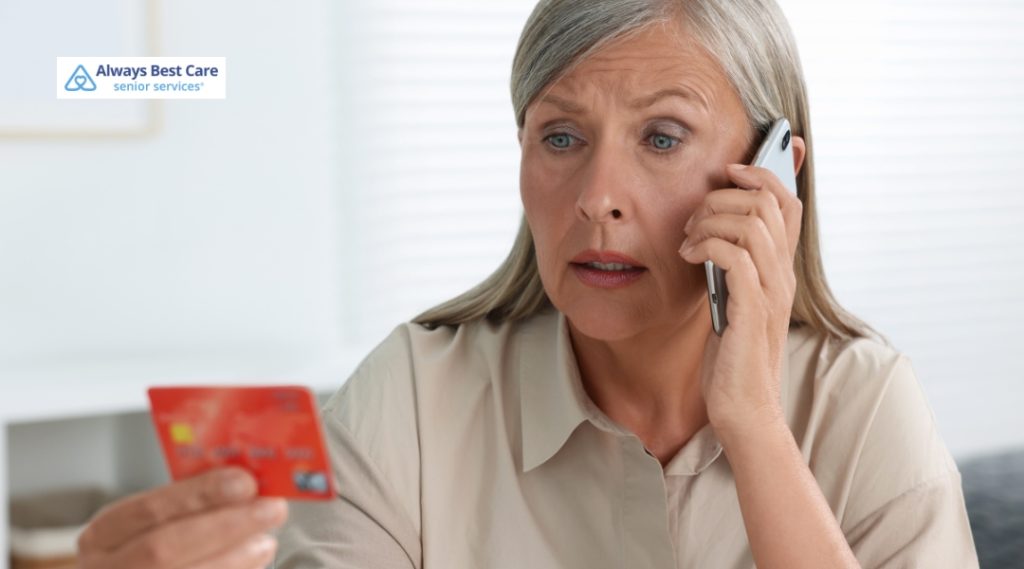
- Pressure to act immediately or scare tactics
- Demands for payment through gift cards, wire transfers, or cryptocurrency
- Unsolicited calls, texts, or emails asking for personal details like Social Security numbers or bank info
- Messages that stir up fear, panic, or guilt to push someone into quick decisions
- Requests to “keep this between us” and not tell family members
If something feels off, it’s wise to pause, hang up, or close the email and check with a trusted person before doing anything else.
How Families Can Help Protect Loved Ones in Manchester, CT
We don’t have to tackle this alone. Families play a huge role in keeping older loved ones safe from scams.
Here are practical ways to help:
- Talk openly about scams in a calm, non-judgmental way
- Encourage a “double-check” rule: no major financial decision without talking to a trusted family member
- Review bank and credit card statements together for odd charges
- Set up call blocking and spam filters on phones and email
- Create a safe space for questions, so your loved one doesn’t feel embarrassed about asking for help
The goal isn’t to control their life—it’s to have their back.
The Role of In-Home Care in Scam Prevention
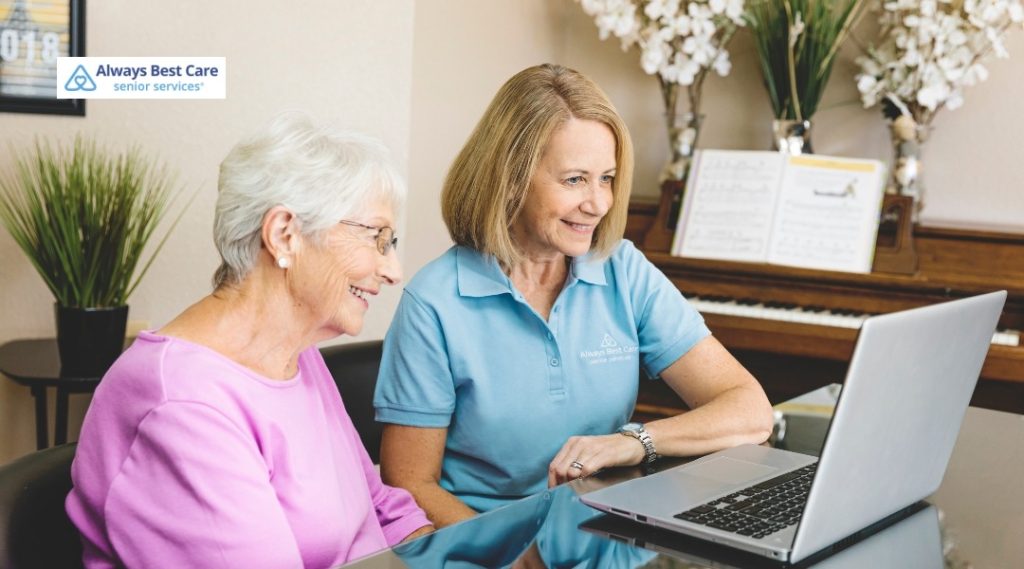
Having someone trustworthy around on a regular basis can be a powerful safeguard. At Always Best Care of Manchester, CT, we understand how quickly a “small thing” can turn into a big problem, especially with scammers lurking in the background.
We can help by:
- Screening phone calls or unexpected visitors and spotting suspicious stories
- Noticing changes in mood or money worries that might signal a scam
- Offering steady companionship, which can cut down on loneliness and reduce the appeal of talking to strangers
- Encouraging regular communication with family, so no one feels they have to handle things alone
We focus on daily support and on being an extra set of eyes and ears, helping seniors stay safer while remaining comfortable at home.
What Should You Do If You Suspect a Scam?
If you think a loved one in Manchester, CT may have been targeted—or worse, already sent money—quick action matters.
Here’s a clear starting point:
- Contact the bank or credit card company right away to stop or reverse transactions if possible
- Report the scam to local authorities or adult protective services, especially if money has been lost
- Keep monitoring accounts closely for additional suspicious activity
- Offer emotional support, not blame—many seniors feel ashamed, which can keep them quiet
A compassionate response helps rebuild trust and encourages them to speak up sooner next time.
FAQ: Senior Scams and Protection
Q: How can I gently ask my parent if they’re getting strange calls or messages?
A: Start with curiosity, not accusation. You might say, “Have you been getting any weird calls lately? I’ve been hearing about scams in Manchester, and I want us both to stay safe.”
Q: Is it rude for my loved one to hang up on unknown callers?
A: Not at all. In fact, it’s smart. If the call is important, they’ll usually leave a voicemail or send a letter.
Q: What’s one simple rule my loved one can follow to avoid most scams?
A: Never give out personal or financial information to anyone who contacts you unexpectedly—by phone, text, email, or in person.
Q: Can in-home caregivers really help prevent scams?
A: Yes. Caregivers who know the person well can notice changes, overhear suspicious calls, and encourage the senior to run things past family before acting. At Always Best Care of Manchester, CT, we take that role seriously.
Q: Should we report a scam even if no money was lost?
A: Yes. Reporting attempts helps authorities track patterns and may stop the scammer before someone else gets hurt.

Learn to Spot and Stop Senior Scams Today
Senior scams won’t disappear overnight, but awareness is a powerful shield. By spotting warning signs, talking openly, and building a habit of “pause and verify,” families in Manchester, CT can protect the people they love from financial loss and emotional heartache.
At Always Best Care of Manchester, CT, we’re committed to helping seniors stay safe, confident, and comfortable at home.
If a loved one could use more support and companionship—as well as another layer of protection against scams—reach out to us at (860)322-5294 to schedule a care consultation and learn how we can help protect your loved one while supporting their independence and well-being at home.
Link to the Markdown File version of this article.