

Making Every Bite Count: Nutrition Support for Manchester Seniors

As loved ones grow older, families often notice subtle changes at the table. A senior who once cleaned their plate might start skipping breakfast, nibbling at dinner, or pushing food away after a few bites. At first, it can look like “just a phase,” but if that lighter eating sticks around, it can chip away at strength, energy, and independence.
Good nutrition is a big part of healthy aging. It fuels the immune system, supports muscle strength, and helps the body heal and stay active. When appetite declines, knowing what’s going on and how to respond can make a world of difference for seniors in Manchester, CT—and that’s where Always Best Care of Manchester, CT comes in. We work side by side with families to keep loved ones eating well, feeling better, and living life more fully.
What you will learn:
- Why many seniors naturally lose interest in food over time and how that affects their health, strength, and independence.
- Simple, loving ways to make meals more appealing, social, and nourishing—even when appetite is low.
- Which nutrient-rich foods matter most for older adults, and how small bites can still deliver big health benefits.
- How Always Best Care of Manchester, CT, can walk alongside your family with meal support, companionship, and watchful care at home.
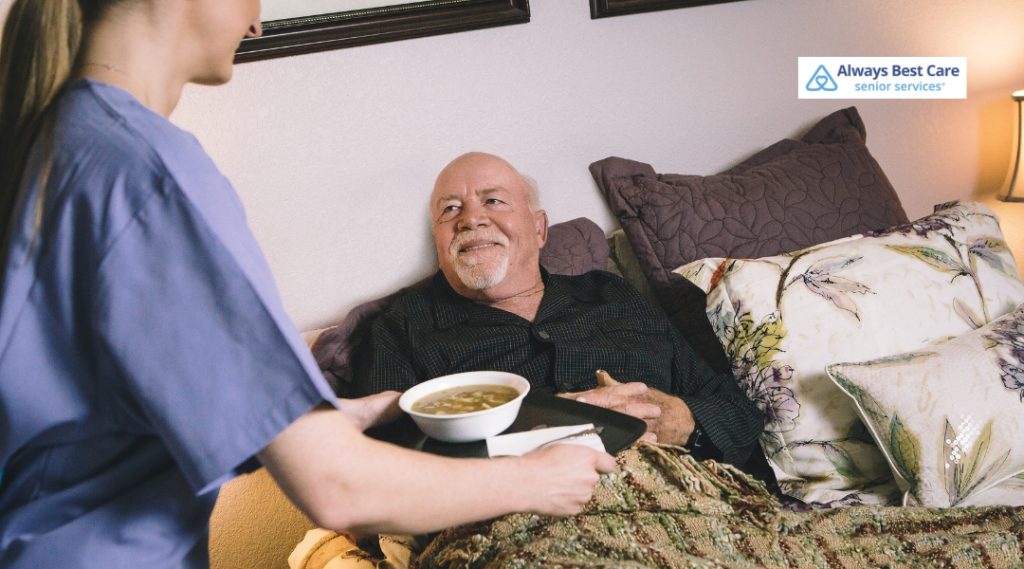
Table of Contents
Why Appetite Declines with Age
Seniors don’t usually wake up one morning and decide, “I’m just not going to eat anymore.” Appetite tends to change gradually, and often for more than one reason.
Common Reasons for Appetite Drops
As people age, several everyday changes can affect eating habits:
- Changes in taste and smell that make food less appealing
- Slower digestion that leaves seniors feeling full more quickly
- Lower activity levels that reduce hunger
- Side effects from medications
- Dental pain or poorly fitting dentures
- Trouble chewing or swallowing
- Ongoing health conditions
- Depression, anxiety, or loneliness
- Memory loss or cognitive changes
Because these factors can stack up, families need to notice ongoing changes and talk with a healthcare provider if a loved one keeps eating less over time. Catching problems early can help prevent bigger health challenges down the road.
The Hidden Risks of Poor Nutrition
A smaller appetite may not look serious at first glance—especially if a senior insists they’re “fine” or “just not hungry.” But over weeks and months, too little food can quietly erode health.
What Can Happen When Seniors Eat Too Little
Consistently low intake can lead to:
- Unintended weight loss
- Muscle weakness
- Higher risk of falls
- Fatigue and low energy
- Slower recovery from illness or injury
- Weakened immune function
Even mild nutrient gaps can make everyday tasks—from walking around the house to keeping up with appointments—feel harder. For families, that can mean more worry, more caregiving pressure, and more concern about safety at home.

Make Meals More Appealing and Easier to Enjoy
The good news? Sometimes small changes to how meals look, taste, and feel can spark interest in food again.
Simple Ways to Encourage Eating
To help seniors feel more comfortable and willing to eat, try:
- Boosting flavor with herbs, spices, and sauces
- Adding color and texture—bright veggies, smooth soups, tender meats
- Serving favorite dishes whenever possible
- Offering smaller plates more often, such as several mini-meals and snacks
- Choosing nutrient-dense foods packed with protein, vitamins, and healthy fats
Many older adults do better with four or five smaller eating times than with three large meals. When appetite is low, every bite matters—so making those bites appealing, easy to chew, and full of nutrition can make a real difference.
Turn Mealtime into a Social Moment in Manchester, CT
Eating alone can make food feel like a chore instead of something to enjoy. When seniors in Manchester, CT spend most meals by themselves, it’s common for them to graze lightly or skip eating altogether.
Why Company Matters
Sharing meals with others often helps seniors:
- Stay at the table longer
- Eat more of what’s on your plate
- Enjoy conversation and companionship
- Feel more connected to everyday life
Even a simple shared lunch, a weekend family breakfast, or an afternoon cup of tea can shift mealtime from lonely to pleasant. At Always Best Care of Manchester, CT, we know that sometimes what seniors need most isn’t a different recipe—it’s a friendly face across the table.

Spotting Underlying Health Concerns
Not all appetite changes are “just aging.” Some signal a medical issue that needs careful attention.
Signs It’s Time to Call a Healthcare Provider
Families should keep an eye out for:
- Noticeable weight loss
- Ongoing difficulty chewing or swallowing
- Mood changes such as sadness or withdrawal
- Frequent nausea or digestive problems
- Increased confusion or forgetfulness
When these signs show up, a healthcare provider can check for medication side effects, dental challenges, or health conditions that might be getting in the way of regular eating. Helping seniors eat well often starts with understanding the full picture of their health.
Focus on Nutrient-Rich Foods When Appetite Is Low
If a loved one is only taking a few bites per meal, those bites need to work hard. Nutrient-rich foods help make the most of a smaller appetite.
Smart Food Choices for Seniors
Helpful options include:
- Eggs
- Greek yogurt
- Lean meats and fish
- Nut butters
- Beans and legumes
- Fresh fruits and vegetables
- Whole grains
Protein is especially important because it supports muscle mass and strength—key ingredients for walking safely, getting up from a chair, and staying independent at home. Pairing protein with colorful produce and whole grains can help round out nutrition without requiring huge portions.

How Always Best Care of Manchester, CT, Can Help
We know that keeping a loved one well-nourished can feel like a lot to manage, especially if you’re juggling work, kids, and other responsibilities. That’s where professional in-home care makes a real difference.
That’s why we at Always Best Care of Manchester, CT, step in with practical, day-to-day support.
What We Do to Support Healthy Eating
Caregivers from Always Best Care of Manchester, CT can help with:
- Meal planning and preparation
- Grocery shopping for fresh, wholesome foods
- Encouraging regular hydration
- Noticing changes in eating patterns or appetite
- Providing companionship during meals
- Sharing concerns with family members
By weaving nutrition into daily care, we help seniors maintain strength, energy, and a sense of comfort at home. We don’t just cook—we make mealtime a reassuring, enjoyable part of the day.
Supporting Healthy Eating and Healthy Aging in Manchester, CT
A declining appetite is something families shouldn’t brush aside. While changing tastes and smaller portions are common in later years, nutritious eating still plays a central role in keeping seniors strong, steady on their feet, and able to enjoy life.
With the right mix of attention, encouragement, and support, seniors in Manchester, CT can continue to savor good food and the many benefits that come with it. We at Always Best Care of Manchester, CT, are here to walk that road with you and your loved one.
FAQ
Q: Is it normal for seniors in Manchester, CT to eat less as they age?
A: Yes, appetite often changes with age, but a steady, ongoing decrease can affect health and safety. It’s important to watch for patterns and talk with a healthcare provider if eating drops off for more than a short time.
Q: What should families do if a loved one starts losing weight without trying?
A: First, make note of how much and how often they’re eating, then contact a healthcare provider to rule out medical issues. Supportive care from us at Always Best Care of Manchester, CT, can also help boost nutrition and track changes.
Q: How can we make food easier for a senior who struggles to chew or swallow?
A: Try softer foods like soups, stews, yogurt, scrambled eggs, and tender, chopped meats. Adjusting textures and adding sauces or gravies can make meals more comfortable and less tiring.
Q: Are snacks helpful for seniors with low appetite?
A: Absolutely. Small, nutrient-rich snacks—like yogurt, nut butter on toast, or fruit with cheese—spread throughout the day can be easier to manage than large meals and still provide steady energy.
Q: How can Always Best Care of Manchester, CT support our family with mealtime concerns?
A: We can help plan and prepare meals, shop for groceries, offer companionship while eating, and keep an eye on appetite and weight. We then share what we see with families so everyone stays informed and reassured.

Healthy Eating Starts Here
Watching a loved one pick at their plate or skip meals can be unsettling, but you’re not alone in facing those changes. With thoughtful meal planning, a warm social atmosphere, and close attention to health, seniors in Manchester, CT can continue to eat well and feel more like themselves. We at Always Best Care of Manchester, CT, are committed to helping families turn mealtimes back into moments of comfort, connection, and nourishment—for the body and for the heart.
To explore how we can support your loved one with gentle nutrition help and uplifting mealtime companionship, call (860)322-5294 or visit our Manchester senior care team online today.
Link to the Markdown File version of this article.