

What Every Manchester, CT Family Should Know About Blood Sugar Shifts in Aging Parents
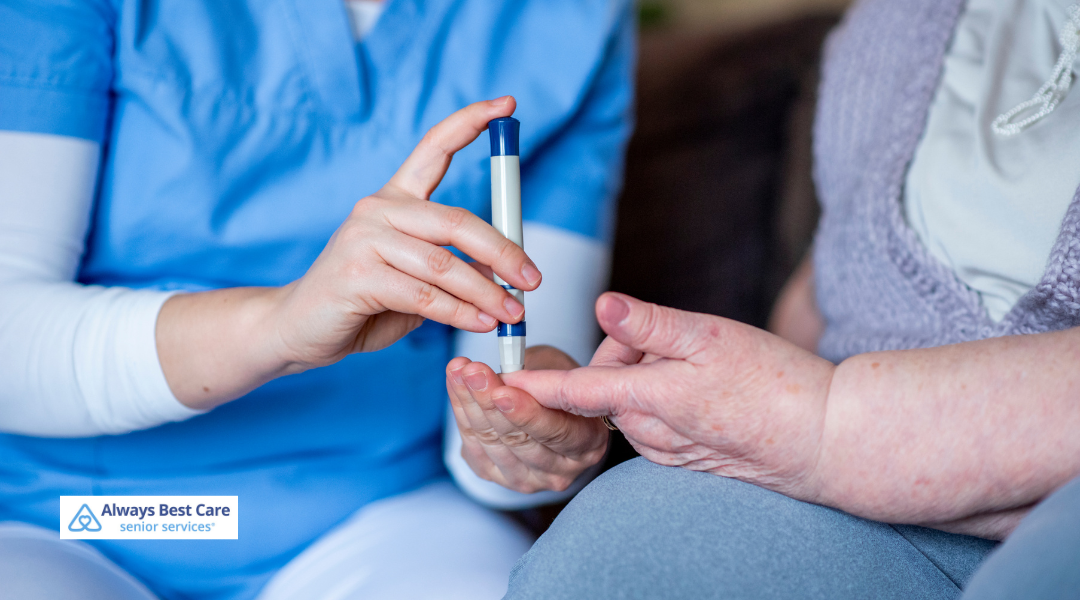
For older adults living with diabetes, managing blood sugar isn’t a one-time achievement — it’s an ongoing process that shifts with age. Even seniors who have kept their diabetes well-controlled for decades can find that what worked before no longer works as well. Bodies change, medications interact differently, and daily routines become harder to maintain. For families in Manchester, CT, understanding these changes isn’t just helpful — it can be life-saving.
What you will learn:
- How aging changes the way the body manages blood sugar, and why diabetes care looks different for older adults.
- The warning signs of both low and high blood sugar that families should watch for every day.
- Simple routines and daily habits that help keep your loved one’s blood sugar more stable and predictable.
- When in-home caregiving support can make a meaningful difference in managing diabetes safely at home.
Table of Contents
How Aging Reshapes Diabetes Management
Dealing with diabetes looks different at 75 than it did at 55. As the body ages, several factors converge to make blood sugar harder to control:
- Declining kidney function slows how the body processes certain diabetes medications, increasing the risk of side effects
- Reduced appetite and irregular eating — common in older adults — can cause unexpected blood sugar dips
- Polypharmacy (taking multiple medications) raises the chance of drug interactions that affect glucose levels
- Cognitive changes can make it difficult to remember medications, meals, or glucose checks
- Decreased physical activity due to mobility limitations can reduce insulin sensitivity
The result is a more unpredictable blood sugar landscape that requires closer attention from both seniors and their families.
The Hidden Danger of Low Blood Sugar in Seniors
Low blood sugar (hypoglycemia) occurs when glucose drops below a healthy threshold. In younger adults, the body often sends clear warning signals. In older adults, those signals can be muted, delayed, or mistaken for something else entirely.
Common symptoms include:
- Shaking or trembling
- Sudden sweating
- Dizziness or lightheadedness
- Intense hunger
- Headache
- Irritability or mood changes
- Difficulty concentrating
- Confusion or disorientation
- Loss of coordination
What makes hypoglycemia particularly risky for seniors is that symptoms like confusion, weakness, or unsteady movement can easily be dismissed as normal aging — or even mistaken for a stroke. A senior who lives alone may not recognize what’s happening in time to act.
Severe hypoglycemia can lead to seizures, loss of consciousness, or falls with serious injury. If you notice sudden, unexplained changes in your loved one’s behavior or alertness, don’t wait — seek medical attention immediately.

Recognizing High Blood Sugar Before It Becomes a Crisis
High blood sugar (hyperglycemia) tends to develop gradually, which is exactly what makes it dangerous. Symptoms can linger for days before anyone connects them to blood sugar.
Watch for:
- Increased thirst that doesn’t go away
- Frequent trips to the bathroom, especially at night
- Blurred or worsening vision
- Persistent fatigue or weakness
- Headaches
- Unexplained weight loss
- Wounds or cuts that are slow to heal
Over time, chronically elevated blood sugar damages blood vessels and nerves, contributing to complications affecting the eyes, kidneys, heart, and feet. In acute cases, very high blood sugar can cause diabetic ketoacidosis (DKA) or hyperosmolar hyperglycemic state (HHS) — both medical emergencies requiring immediate care.
If your loved one shows sudden severe confusion, difficulty breathing, extreme weakness, or loses consciousness, call 911 right away.
What Families Can Watch For Day to Day
You don’t need a medical degree to be an effective advocate for your loved one. In many cases, family members are the first to notice that something is off — precisely because they know what “normal” looks like.
Pay attention to subtle shifts:
- Is your loved one drinking more water than usual?
- Are they more tired, irritable, or confused than normal?
- Have they been skipping meals or eating less?
- Are they moving more slowly or seeming unsteady on their feet?
These everyday observations matter. If something feels different, it’s worth a conversation with their healthcare provider.
Make sure you know your loved one’s personal blood sugar targets, which symptoms warrant a call to the doctor, and what constitutes an emergency. Every person with diabetes has a slightly different profile, and their care plan should reflect that.
Building Routines That Support Stable Blood Sugar
Consistency is one of the most powerful tools in diabetes management. When meals, medications, activity, and sleep follow a predictable pattern, blood sugar tends to follow suit.
Helpful habits include:
- Eating meals and snacks at the same times each day
- Taking medications exactly as prescribed — no skipping, no doubling up
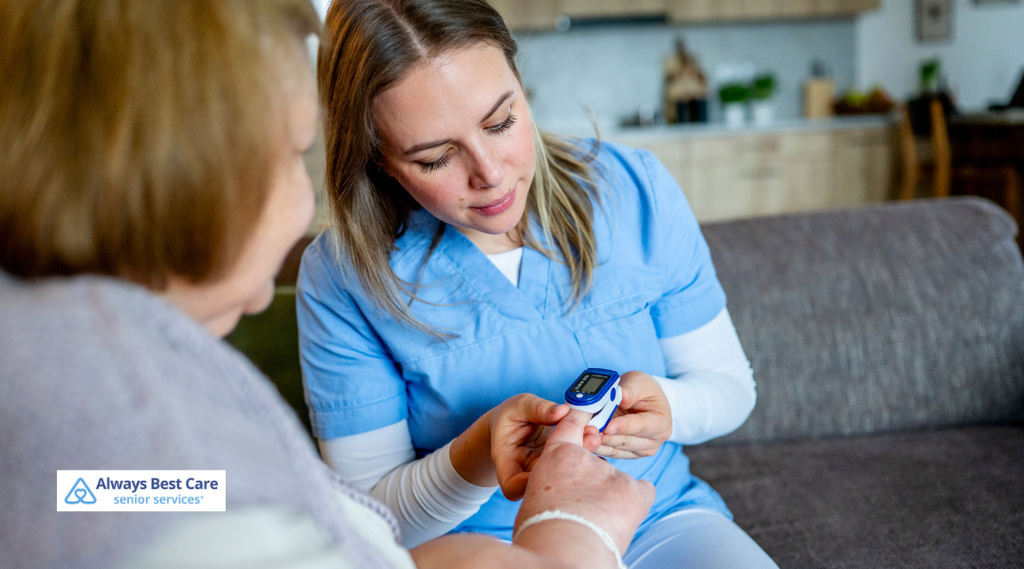
- Monitoring blood glucose as directed by their healthcare provider
- Drinking enough water throughout the day
- Engaging in gentle, appropriate physical activity (walking, stretching, chair exercises)
- Keeping all scheduled medical appointments
Families should also make sure healthcare providers have a complete picture of every medication and supplement the senior takes. Even seemingly harmless supplements can interact with diabetes medications in unexpected ways.
When Memory or Mobility Gets in the Way
Managing diabetes requires a lot of moving parts — and for seniors dealing with cognitive or physical challenges, those parts can be hard to keep track of.
Memory-related challenges may include forgetting to take medications, skipping meals without realizing it, or losing track of when blood sugar was last checked.
Physical challenges may include:
- Arthritis or tremors that make using a glucose meter difficult
- Vision changes that make it hard to read medication labels or monitor displays
- Mobility limitations that make grocery shopping, cooking, or getting to appointments a challenge
When these barriers stack up, the risk of blood sugar going unmanaged increases significantly. This is often the point where in-home support becomes not just helpful, but necessary.

How Always Best Care of Manchester, CT Can Help
Living well with diabetes means more than monitoring numbers. It means eating balanced meals, maintaining routines, staying active, managing medications, and keeping up with medical care — day after day.
Always Best Care of Manchester, CT caregivers provide hands-on support that makes this possible, including:
- Preparing nutritious meals on a consistent schedule
- Providing medication reminders
- Encouraging hydration and safe physical activity
- Assisting with transportation to medical appointments
- Observing and reporting changes in behavior, appetite, or energy to family members and healthcare providers
For seniors who qualify for home health services, licensed healthcare professionals can provide additional clinical support tailored to their specific medical needs and physician-directed care plan.
Helping Your Loved One Stay Safe with Diabetes in Manchester, CT
Blood sugar can shift quickly, and older adults don’t always recognize the warning signs in time. The good news is that families who stay engaged, know their loved one’s baseline, and act quickly when something seems off can make an enormous difference in outcomes.
If your loved one has diabetes and could benefit from more consistent daily support, Always Best Care of Manchester, CT is here to help. Contact us at (860)322-5294 to schedule a care consultation and learn how our team can support safer routines, greater independence, and a better quality of life.

Frequently Asked Questions
Q: What blood sugar levels are considered dangerous for older adults?
A: Generally, blood sugar below 70 mg/dL is considered low (hypoglycemia), and levels above 180 mg/dL after meals may indicate hyperglycemia — though individual targets vary. Always follow the thresholds set by your loved one’s healthcare provider, as goals for older adults are often adjusted based on overall health and risk factors.
Q: Can older adults feel low blood sugar differently than younger people?
A: Yes. Older adults often experience fewer or less obvious symptoms of hypoglycemia — a phenomenon called “hypoglycemia unawareness.” This makes regular monitoring and caregiver observation especially important.
Q: How often should a senior with diabetes check their blood sugar?
A: This depends on the individual’s treatment plan, medications, and health status. Some seniors check once or twice a day; others may need to check more frequently. Their healthcare provider will recommend a schedule based on their specific situation.
Q: What should I do if I think my loved one’s blood sugar is dangerously low or high?
A: If they are conscious and able to swallow, and you suspect low blood sugar, offer a fast-acting source of sugar (like juice or glucose tablets) and contact their doctor. If they are unconscious, severely confused, or showing signs of a medical emergency, call 911 immediately. For suspected high blood sugar, contact their healthcare provider for guidance.
Q: How can in-home care help with diabetes management?
A: In-home caregivers can support meal preparation, medication reminders, hydration, activity, and transportation — all of which contribute to more stable blood sugar. They also serve as an extra set of eyes, noticing changes that family members or healthcare providers might otherwise miss.
Link to the Markdown File version of this article.