

Blood Pressure Basics: Helping Seniors Manage Hypertension at Home in Manchester, CT
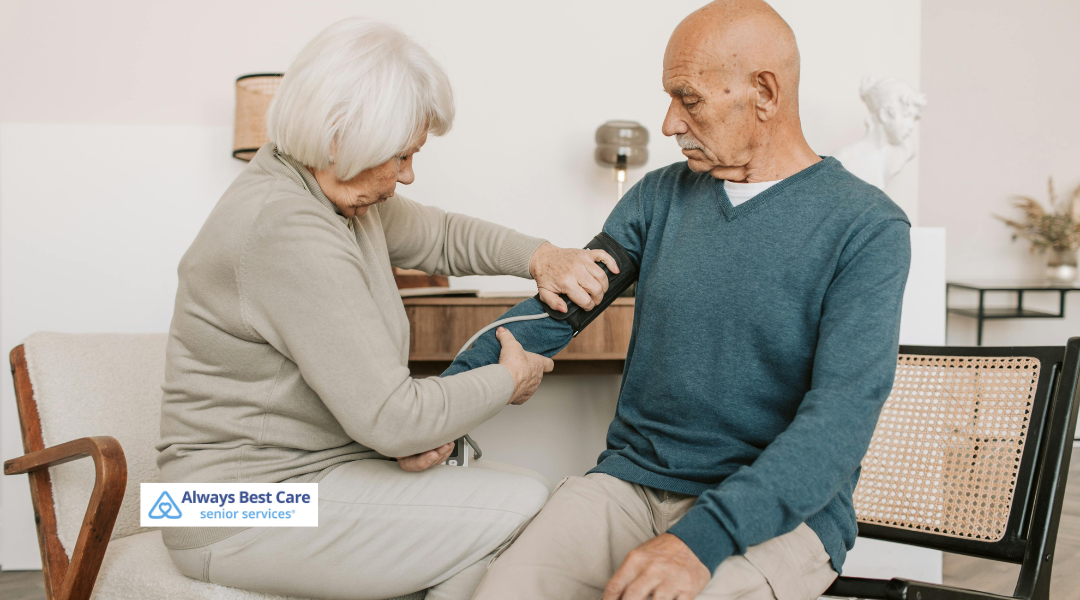
If blood pressure had a personality, it’d be that moody friend who’s fine one day… and dramatic the next. For many older adults, hypertension (high blood pressure) can sneak up quietly, then cause trouble when nobody’s looking. The good news? With a few smart habits—and the right support—families in Manchester can help seniors stay steady, safe, and feeling like themselves.
This guide breaks down the basics in plain English, with helpful at-home strategies and clear signs of when it’s time to call in professional help. Because honestly, you shouldn’t have to feel like you’re winging it.

Table of Contents
Blood Pressure Basics for Seniors in Manchester, CT
Blood pressure is the force of blood pushing against the artery walls. It’s usually written as two numbers, like 120/80.
- Top number (systolic): pressure when the heart beats
- Bottom number (diastolic): pressure when the heart rests
When those numbers stay high too often, that’s hypertension. And as we age, blood vessels can stiffen, medications can interact, and everyday stress can pile on—so keeping an eye on blood pressure becomes a real “small thing that matters a lot.”
Why Managing Hypertension at Home Matters
Home is where routines live. It’s also where little problems can turn into big ones if no one notices the early signs. Managing hypertension at home helps seniors:
- Stay consistent with healthy habits
- Catch changes early (before they spiral)
- Avoid complications tied to uncontrolled blood pressure
- Feel more confident day to day
And for family caregivers? It can bring peace of mind—because you’re not guessing, you’re tracking.

Easy At-Home Monitoring Tips That Actually Work
A home blood pressure monitor can be a game-changer, but only if it’s used correctly. Done sloppily, readings can be misleading—and nobody needs that kind of confusion.
Set Up a Simple Blood Pressure Routine
Pick a rhythm that’s easy to stick to. A routine beats “whenever we remember” every time.
Helpful routine ideas:
- Take readings at the same time each day (like morning and evening)
- Sit quietly for 5 minutes first—no rushing in from chores
- Keep feet flat on the floor and arm supported at heart level
- Record the results in a notebook or phone note
Common Mistakes to Avoid (Oops-Proofing the Process)
Even small slip-ups can throw readings off. Watch out for these:
- Taking a reading right after coffee, exercise, or smoking
- Talking during the measurement (yep, it matters)
- Using a cuff that doesn’t fit properly
- Measuring over clothing
A calm setup makes for a clearer picture—plain and simple.

Lifestyle Tweaks That Support Healthier Blood Pressure
No one’s asking seniors to become marathon runners overnight. The goal is steady progress, not perfection. Small changes, repeated often, can make a real difference.
Food Choices That Support Hypertension Care
Food can either help blood pressure behave… or stir up drama. A few gentle adjustments can go a long way.
Supportive food habits include:
- Choosing lower-sodium options (watch soups, deli meats, frozen meals)
- Adding more fruits and veggies for potassium and fiber
- Drinking enough water (dehydration can mess with the body in sneaky ways)
- Keeping portions balanced—no need for a “tiny bird diet,” just mindful meals
Movement That Feels Safe and Doable
Light activity supports circulation and overall wellness, and it doesn’t need to be complicated.
Easy movement options:
- Short walks around the neighborhood or even inside the house
- Chair stretches while watching TV
- Gentle balance exercises near a sturdy counter
- Light chores broken into smaller chunks
If mobility is limited, even a little movement can be a win. Baby steps still count.

Stress, Sleep, and the “Invisible” Factors
Here’s the wild part: blood pressure can react to stress, poor sleep, and anxiety—sometimes more than people expect. If a senior is worrying a lot, sleeping poorly, or feeling lonely, their body can show it.
Simple supports can help:
- A consistent bedtime routine
- Calm evening activities (music, reading, a warm shower)
- Regular connection and conversation
- Relaxing breathing exercises (nothing fancy, just steady inhales and exhales)
It’s not about being “perfectly zen.” It’s about creating calmer days.
When to Seek Professional Help for Hypertension at Home
Some situations shouldn’t be handled with a “let’s see how tomorrow goes” approach. If a senior has symptoms or unusual readings, it’s time to reach out to a medical professional.
Call a Doctor If You Notice These Signs
- Headaches that feel severe or unusual
- Chest pain or shortness of breath
- Dizziness, confusion, or fainting
- Vision changes
- Swelling in the legs or sudden fatigue
And if readings are consistently higher than the doctor’s recommended range, don’t wait it out. Better to ask and be reassured than ignore it and regret it.

How Always Best Care of Manchester Helps Seniors Manage Hypertension at Home
Let’s be real—family caregivers already wear about twelve hats. Managing hypertension at home can feel like adding one more spinning plate. That’s where Always Best Care of Manchester can step in with steady, compassionate support.
Here’s how they can help:
- Daily routine support: Caregivers can help seniors stay consistent with meals, hydration, movement, and rest—because routine is half the battle.
- Medication reminders: Missing doses or doubling up by accident happens more than people think. Gentle reminders help keep things on track.
- Wellness observation: Caregivers can notice changes in energy, appetite, mood, or confusion—those little clues that can matter.
- Support with appointments: Help with transportation and getting ready for check-ups can make follow-through a lot easier.
- Companionship that lifts the day: Stress and loneliness don’t help blood pressure, period. A friendly presence can make a home feel lighter and safer.
- Personalized care plans: Every senior’s needs are different, and care can be tailored to match routines, preferences, and goals.
In other words: you don’t have to do this alone—and your loved one doesn’t have to “tough it out” either.
FAQs
Q: What is hypertension, and why is it common in seniors?
A: Hypertension is consistently high blood pressure. It’s common in seniors because blood vessels can stiffen with age, and other health factors or medications can affect readings.
Q: How often should a senior check blood pressure at home?
A: It depends on their doctor’s guidance, but many seniors do well checking once or twice daily at consistent times—especially when tracking changes or adjusting medications.
Q: What’s the best way to record blood pressure readings?
A: Write down the date, time, and numbers (plus how they felt). A notebook works great, and phone notes are fine too—whatever is easiest to keep up with.
Q: Can lifestyle changes really help hypertension?
A: Yes. Small improvements in food choices, movement, hydration, stress, and sleep can support healthier blood pressure over time—especially when done consistently.
Q: How can Always Best Care of Manchester support hypertension care at home?
A: Always Best Care of Manchester can help with daily routines, medication reminders, wellness monitoring, transportation to appointments, companionship, and personalized care plans that make home life safer and smoother.

Take the Stress Out of Blood Pressure Care at Home
Managing hypertension doesn’t have to feel like decoding a mystery novel. With a simple monitoring routine, a few realistic lifestyle tweaks, and the right support, seniors can feel steadier—and families can breathe easier.
If your loved one needs a helping hand staying consistent with blood pressure habits, Always Best Care of Manchester is ready to help with personalized care plans designed for real life at home.
Call us today at (860) 533-9343 to schedule your complimentary care consultation and get support that feels calm, practical, and genuinely caring.