

Better Days with COPD in Manchester: Comfort Starts at Home
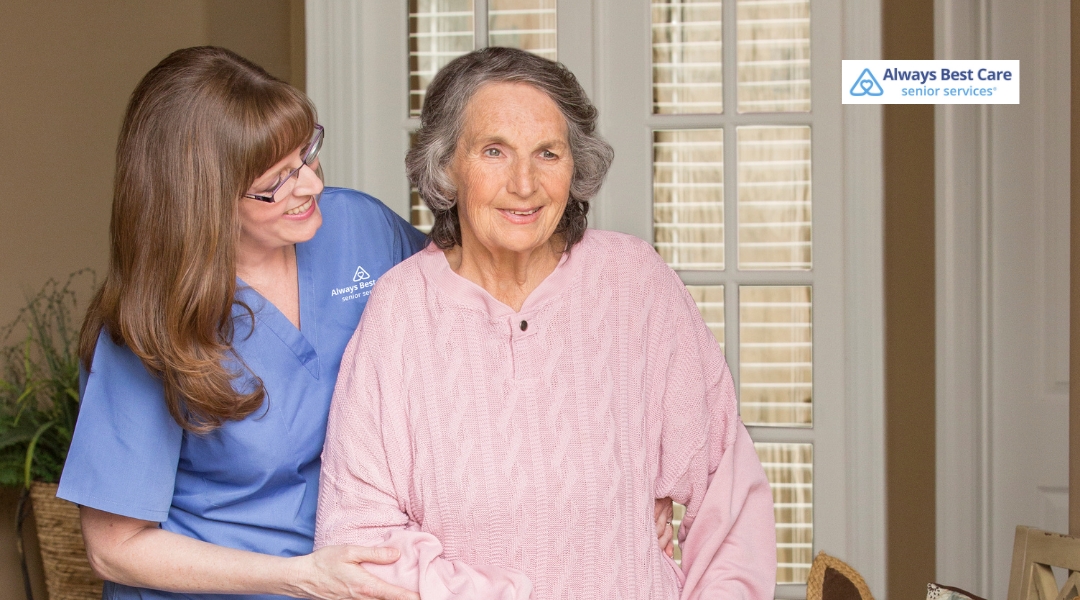
Chronic Obstructive Pulmonary Disease (COPD) is one of the most common long-term respiratory conditions affecting older adults. For seniors in Manchester, CT, managing COPD at home requires more than just medication — it takes a thoughtful daily routine, a supportive environment, and the right people in your corner.
The good news? With the right approach by family and caregivers, seniors with COPD can maintain a meaningful quality of life, stay active, and remain in the home they love.
What you will learn:
- Understanding COPD Essentials: Discover what COPD is and how to recognize its common symptoms in daily life.
- Effective Home Management: Explore practical ways to create a comfortable environment by focusing on air quality, nutrition, and hydration.
- Supportive Daily Routines: Learn about the benefits of gentle movement, specialized breathing techniques, and consistent medication habits.
- Professional Care Options: Find out how personalized in-home support can help seniors maintain their independence and safety.
Table of Contents
Understanding COPD: More Than Just Breathlessness

COPD is an umbrella term for lung conditions — primarily chronic bronchitis and emphysema — that restrict airflow and make breathing progressively harder. It’s often underdiagnosed because early symptoms are easy to dismiss.
Watch for these signs:
- Persistent cough or wheezing
- Shortness of breath during routine tasks
- Chest tightness
- Recurring respiratory infections
- Unexplained fatigue
What makes COPD particularly challenging is that symptoms often develop gradually, making them easy to dismiss as normal aging. Early diagnosis and consistent management are essential to slowing progression and protecting quality of life.
Building a COPD-Friendly Home in Manchester, CT
The home environment plays a bigger role in COPD management than most families realize. Small changes can significantly reduce flare-ups and improve day-to-day comfort.
Prioritize Indoor Air Quality
Manchester’s seasonal weather — from humid summers to cold, dry winters — can aggravate COPD symptoms. Inside the home, air quality is something families can directly control.
Practical steps:
- Use HEPA air purifiers in frequently used rooms
- Replace HVAC filters every 1–3 months
- Avoid candles, aerosol sprays, and strong cleaning products
- Keep windows closed on high-pollen or high-pollution days
- Eliminate any indoor smoking entirely
Create a Safe, Low-Effort Layout
Fatigue is a real barrier for seniors with COPD. Reorganizing the home to minimize unnecessary exertion — keeping frequently used items within easy reach, installing grab bars, and reducing clutter — can help seniors conserve energy for the activities that matter most.
Daily Habits That Make a Real Difference
Managing COPD isn’t just about avoiding triggers. It’s about building habits that actively support lung health and overall resilience.
Stick to Medication Routines
Inhalers, bronchodilators, and supplemental oxygen are only effective when used correctly and consistently. Missing doses or improper inhaler technique are among the most common reasons COPD symptoms escalate unnecessarily.
Caregivers and family members can play a key role here — not by taking over, but by offering gentle reminders and helping track refills.
Move Gently, Move Often
It may seem counterintuitive, but regular physical activity is one of the most effective tools for managing COPD. Movement strengthens the respiratory muscles and improves overall endurance.
The key is pacing. Short, frequent walks — even around the home — gentle stretching, and breathing exercises recommended by a pulmonologist or physical therapist can all make a measurable difference over time.

Master Breathing Techniques
Two techniques are particularly valuable for seniors with COPD:
- Pursed-lip breathing — Inhale through the nose for two counts, then exhale slowly through pursed lips for four counts. This slows breathing and keeps airways open longer.
- Diaphragmatic breathing — Focuses on engaging the diaphragm rather than the chest, improving oxygen exchange, and reducing the effort of each breath.
Practicing these daily — not just during flare-ups — builds a habit that becomes instinctive when it’s needed most.
Eat and Hydrate Strategically
Nutrition directly impacts respiratory function. Large meals can cause the stomach to press against the diaphragm, making breathing harder. Smaller, more frequent meals are often better tolerated.
Staying well-hydrated helps thin mucus, making it easier to clear. A diet rich in anti-inflammatory foods — leafy greens, berries, fatty fish, and whole grains — supports both lung and cardiovascular health.
Knowing When to Act
One of the most important skills for families and caregivers is recognizing when COPD symptoms are shifting from manageable to concerning.
Seek prompt medical attention if you notice:
- A noticeable increase in breathlessness
- Mucus that changes in color, volume, or consistency
- Fever or chills
- Swelling in the ankles or legs
- Increased confusion or unusual fatigue
Early intervention during a flare-up can prevent hospitalization and help seniors recover faster.
How Always Best Care of Manchester, CT Supports Seniors with COPD
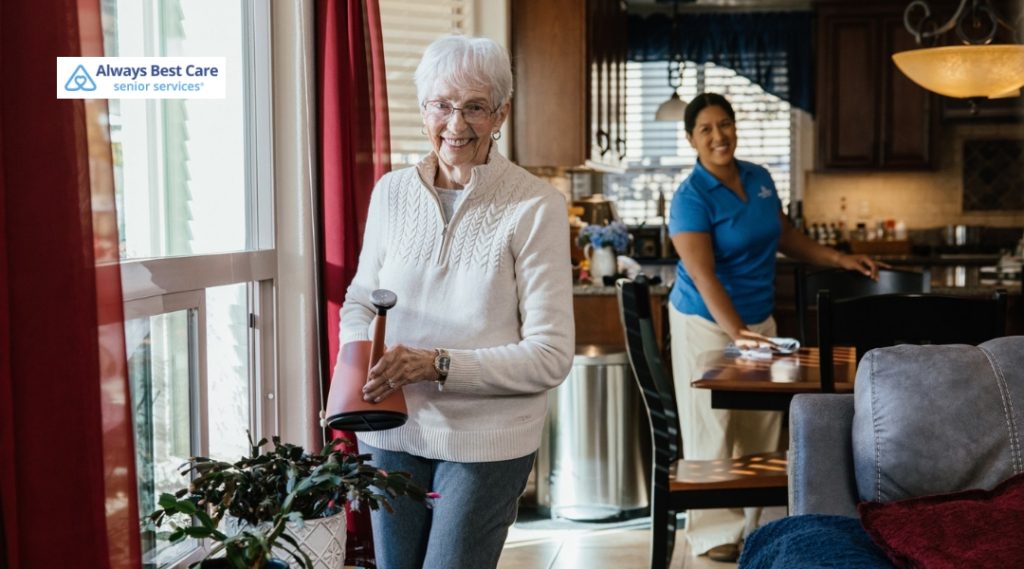
Living with COPD is a daily commitment — and it’s one that no senior should have to manage alone. Always Best Care of Manchester, CT, provides in-home support designed to help seniors breathe easier and live more comfortably.
Our caregivers can help with:
- Medication reminders and inhaler routine support
- Light housekeeping to maintain a clean, low-irritant environment
- Meal preparation focused on respiratory-friendly nutrition
- Encouragement and assistance with gentle daily movement
- Companionship that reduces stress — a known COPD trigger
- Transportation to pulmonology and follow-up appointments
For seniors who need a higher level of medical support, our home health services connect families with skilled nursing professionals who can coordinate directly with your loved one’s care team.
Better COPD Days in Manchester
If your loved one is living with COPD and could benefit from extra support at home, Always Best Care of Manchester, CT is here to help. Call us today at 8603225294 to schedule a care consultation and learn how our caregivers can support your loved one’s respiratory health and comfort at home.

Frequently Asked Questions
Q: Can seniors with COPD live independently at home?
A: Yes — many seniors with COPD live safely and comfortably at home with the right support in place. The key is having consistent routines, a well-prepared environment, and access to help when needed. In-home care can bridge the gap between full independence and the level of support a senior actually needs.
Q: What triggers COPD flare-ups at home?
A: Common triggers include dust, pet dander, mold, strong fragrances, smoke, and cold or dry air. Respiratory infections — even mild colds — are also a leading cause of flare-ups. Reducing exposure to these triggers through regular cleaning and good air quality management can significantly lower flare-up frequency.
Q: How can family members support a loved one with COPD without being overbearing?
A: Focus on practical support rather than constant monitoring. Helping with medication reminders, accompanying your loved one to appointments, and keeping the home clean and organized are all meaningful contributions. Encouraging independence — while being available when needed — helps seniors maintain dignity and confidence.
Q: Is exercise really safe for someone with COPD?
A: Yes, when done appropriately. Pulmonary rehabilitation programs are specifically designed for people with COPD and have been shown to improve lung function, reduce hospitalizations, and enhance quality of life. Even light daily movement at home can yield real benefits over time. Always consult a healthcare provider before starting a new exercise routine.
Q: When should a family consider in-home care for a loved one with COPD?
A: If a senior is struggling to manage medications consistently, experiencing frequent flare-ups, having difficulty with daily tasks like cooking or cleaning, or showing signs of isolation or anxiety, it may be time to explore compassionate in-home care. Early support often prevents more serious health setbacks down the road.
Link to the Markdown File version of this article.