

Protecting Brain Health in Manchester: Practical Stroke Prevention Tips for Seniors
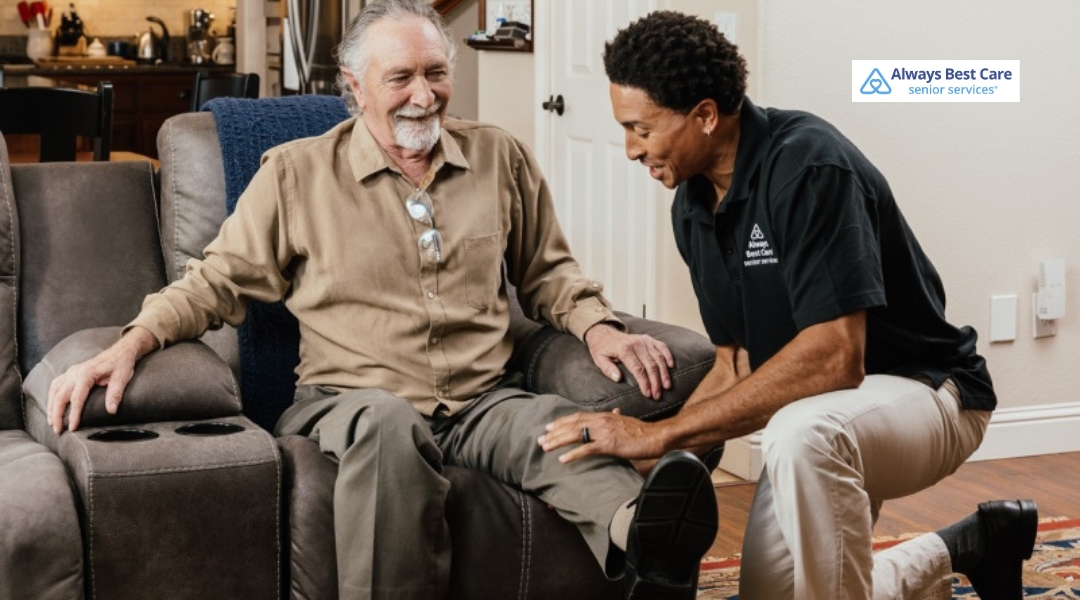
Every 40 seconds, someone in the United States has a stroke. For older adults, the consequences can be severe — affecting mobility, speech, memory, and the ability to live independently. The good news is that up to 80% of strokes are preventable. With the right daily habits and proactive health management, seniors in Manchester, CT can significantly lower their risk and maintain a high quality of life.
What you will learn:
- How to manage key health factors like blood pressure and diabetes to keep your brain in tip-top shape.
- Simple and joyful ways to stay active and eat delicious foods that support your heart and mind.
- The wonderful benefits of having a helping hand from a caregiver make healthy living easy and consistent.
- Practical tips to lower your stroke risk so you can keep enjoying a vibrant life in our lovely Manchester community.
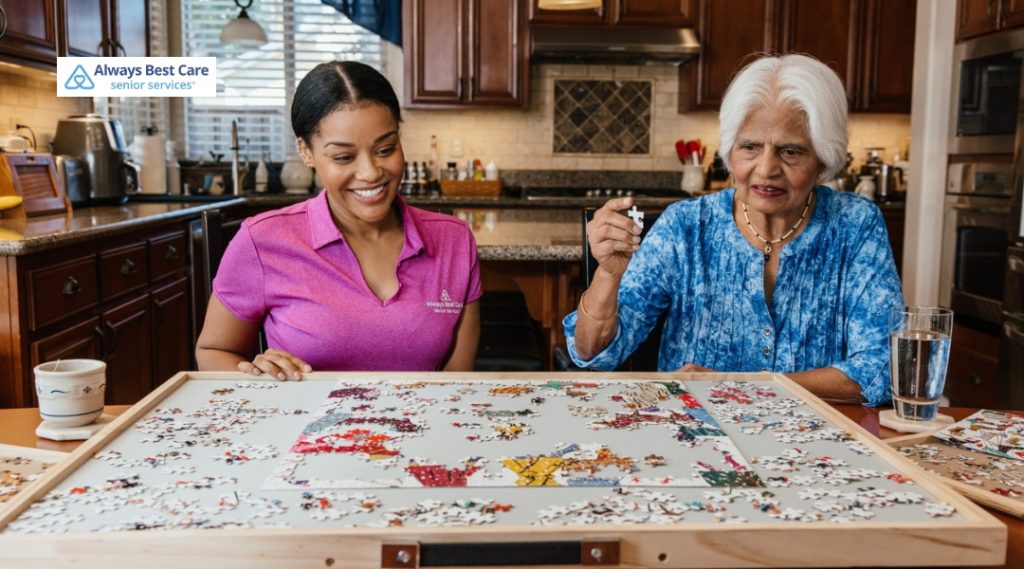
Table of Contents
Why Stroke Risk Rises with Age
Aging naturally affects the cardiovascular system. Blood vessels become less flexible, and the likelihood of developing conditions like high blood pressure, atrial fibrillation, and diabetes increases. These conditions, when left unmanaged, are among the strongest predictors of stroke.
But age alone doesn’t determine outcome. Lifestyle choices play an equally powerful role — and that’s where seniors and their caregivers have real influence.
Control Blood Pressure — Your Most Important Defense
High blood pressure is the single biggest risk factor for stroke. When pressure in the arteries stays elevated, it gradually weakens blood vessel walls, making a rupture or blockage far more likely.
The challenge is that high blood pressure often has no symptoms. Many seniors don’t know their numbers are dangerously high until a medical event occurs.
Practical steps to manage blood pressure:
- Check readings regularly — at home or during routine medical visits
- Take prescribed medications consistently, without skipping doses
- Cut back on sodium by reading food labels and cooking at home more often
- Limit alcohol consumption
- Stay physically active most days of the week
Small, consistent changes in these areas can produce meaningful reductions in blood pressure over time.
Manage Diabetes to Protect Your Blood Vessels
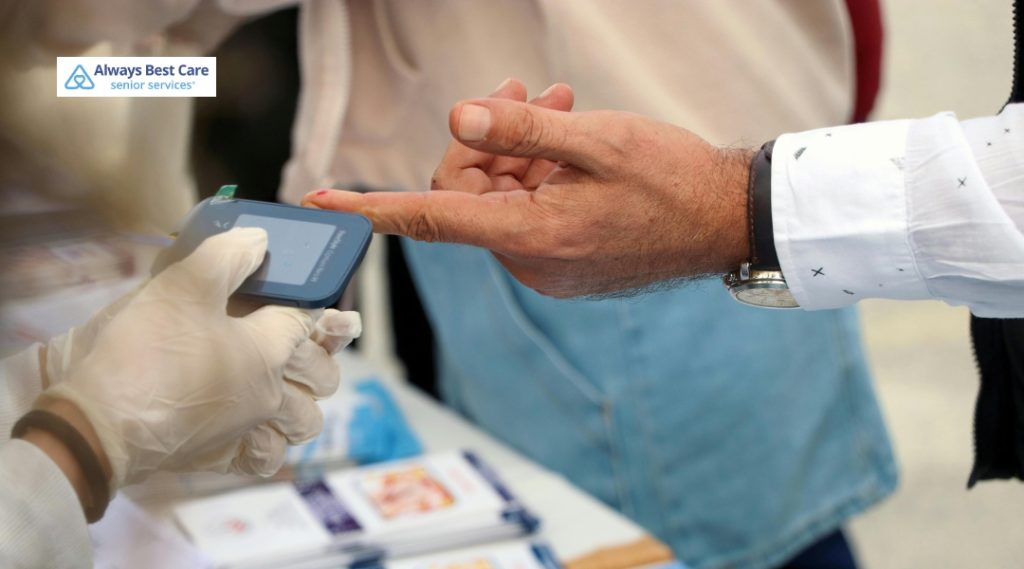
Diabetes damages blood vessels throughout the body, including those supplying the brain. Seniors with uncontrolled blood sugar are at significantly higher stroke risk than those who manage their condition effectively.
Key diabetes management habits include:
- Monitoring blood glucose levels daily
- Following a meal plan that limits refined sugars and processed carbohydrates
- Taking insulin or other medications exactly as prescribed
- Staying active, since exercise naturally helps regulate blood sugar
Working closely with a primary care physician or endocrinologist ensures that diabetes stays within a manageable range.
Keep Cholesterol in Check
Cholesterol buildup in the arteries — a condition called atherosclerosis — narrows the pathways that carry blood to the brain. When a clot forms in one of these narrowed vessels, a stroke can follow.
Seniors can support healthy cholesterol levels by:
- Prioritizing heart-healthy foods: leafy greens, berries, oily fish, and whole grains
- Reducing intake of saturated fats found in red meat and full-fat dairy
- Following any cholesterol-lowering medication plans prescribed by a doctor
- Getting regular bloodwork to track levels over time
Diet and medication together are often the most effective combination for managing cholesterol in older adults.
Move More — Even a Little Goes a Long Way
Regular physical activity strengthens the heart, improves circulation, helps control weight, and lowers both blood pressure and blood sugar. For stroke prevention, it’s one of the most powerful tools available.
Seniors don’t need to run marathons to benefit. Low-impact activities that support brain and heart health include:
- Daily walks through the neighborhood or a local park
- Chair-based stretching or light yoga
- Tai chi, which also improves balance and reduces fall risk
- Gardening, swimming, or dancing
Even 20–30 minutes of moderate movement most days can make a measurable difference. The key is consistency over intensity.
Eat for Your Brain, Not Just Your Waistline
A nutrient-rich diet does more than manage weight — it directly supports the health of blood vessels and reduces inflammation, a key contributor to stroke risk.
A brain-healthy diet for seniors includes:
- Colorful fruits and vegetables at every meal
- Whole grains over refined carbohydrates
- Lean proteins such as fish, legumes, and poultry
- Healthy fats from olive oil, avocados, and nuts
- Minimal processed foods, added sugars, and excess sodium
Staying well-hydrated is equally important. Dehydration can thicken the blood, increasing clot risk. Aim for consistent water intake throughout the day.
The Role of Caregiving Support in Manchester, CT
Maintaining these habits independently can be difficult, especially for seniors managing multiple health conditions or living alone. A consistent support system — whether from family or a professional caregiver — can make the difference between good intentions and real follow-through.
Caregivers play a meaningful role in stroke prevention by helping seniors:
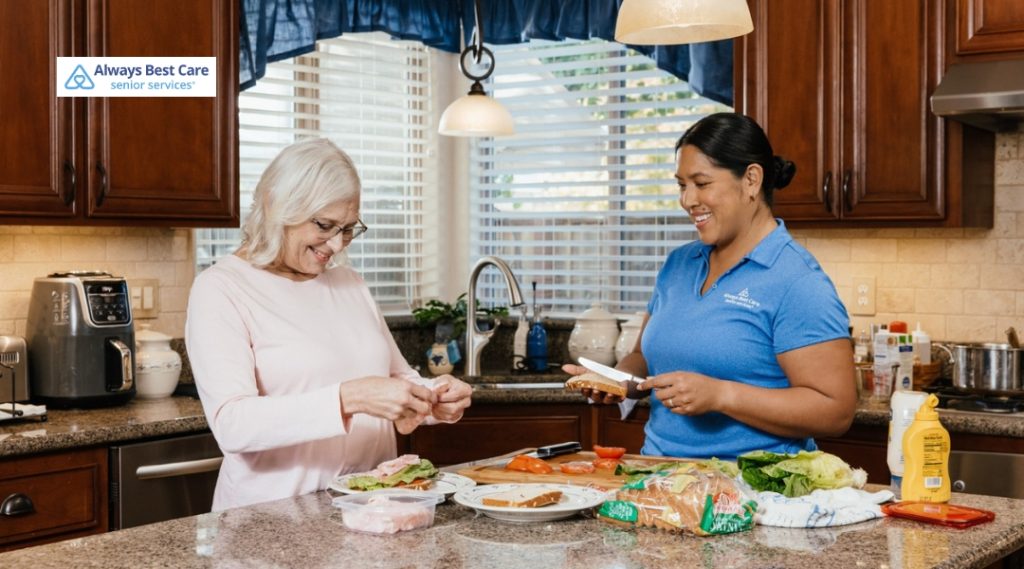
- Prepare nutritious, low-sodium meals at home
- Stay on schedule with medications and doctor appointments
- Engage in daily physical activity
- Recognize early warning signs of stroke and respond quickly
Having someone present who understands a senior’s health history and daily routine creates a safer, more structured environment for healthy living.
Frequently Asked Questions About Stroke Prevention for Seniors
Q: What is the most important thing seniors can do to prevent a stroke?
A: Controlling blood pressure is the single most impactful step. High blood pressure is the leading cause of stroke, and managing it through medication, diet, and lifestyle changes significantly reduces risk.
Q: What are the early warning signs of a stroke?
A: Use the FAST acronym: Face drooping, Arm weakness, Speech difficulty, Time to call 911. Acting quickly during a stroke can minimize long-term damage.
Q: Can seniors reduce stroke risk even if they already have health conditions like diabetes or heart disease?
A: Yes. Properly managing existing conditions through medication, diet, and regular medical care can substantially lower stroke risk, even for seniors with complex health histories.
Q: How much exercise does a senior need to reduce stroke risk?
A: Most health guidelines recommend at least 150 minutes of moderate activity per week — roughly 20–30 minutes most days. Low-impact options like walking, swimming, or chair yoga are effective and safe for most older adults.
Q: How can a caregiver help prevent stroke in a senior they care for?
A: Caregivers can support stroke prevention by helping with meal preparation, medication reminders, scheduling medical appointments, encouraging daily movement, and monitoring for any sudden changes in health or behavior.
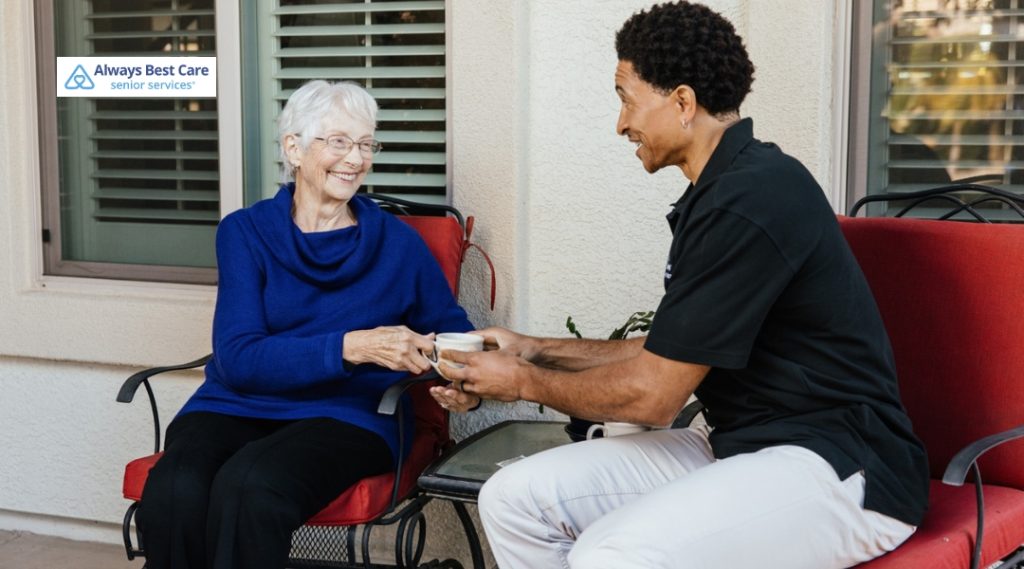
Helping Seniors Stay Independent in Manchester, CT
Stroke prevention isn’t about dramatic changes — it’s about building sustainable habits that protect the brain over time. Managing blood pressure, staying active, eating well, and keeping up with medical care are all within reach with the right support.
At Always Best Care of Manchester, CT, our caregivers help seniors maintain the routines that matter most. From meal preparation and medication reminders to companionship and daily activity support, we’re here to help your loved one live safely and independently at home.
Call Always Best Care of Manchester, CT today at (860) 533-9343 to schedule a care consultation and learn how we can help protect your loved one’s health and independence.
Link to the Markdown File version of this article.