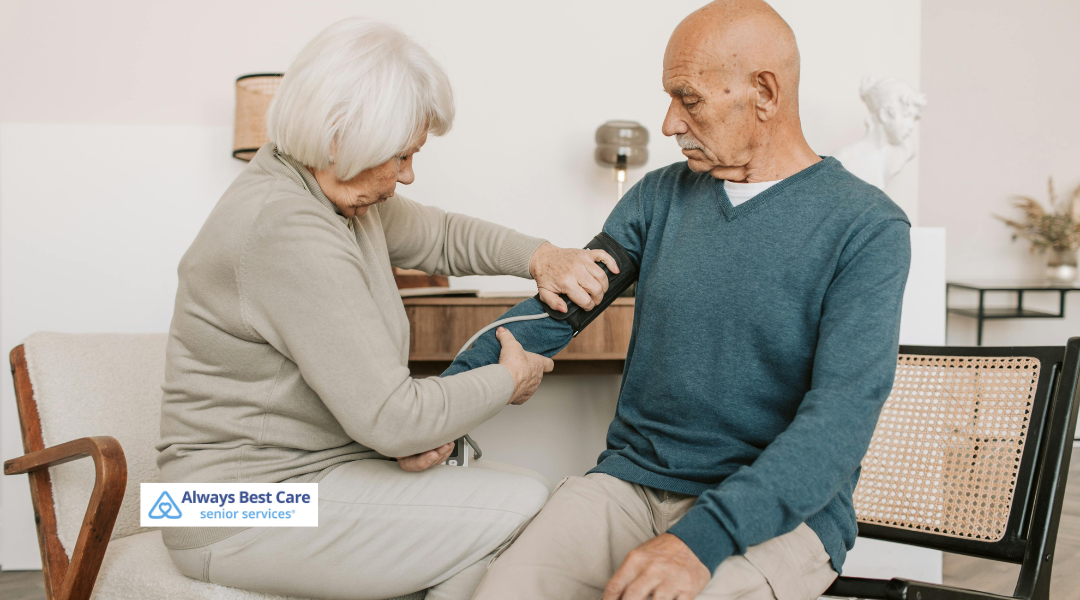

Supporting Seniors with Diabetes: A Practical Guide to Maintaining Health and Independence in Manchester, CT

Diabetes is incredibly common among seniors, but here’s the good news—it’s manageable with the right approach. As we age, our bodies change, and so does how we handle blood sugar control. Throw in multiple medications, shifting appetites, and other health concerns, and suddenly managing diabetes feels like juggling flaming torches.
Yet countless older adults are thriving with diabetes because they’ve got solid support systems in place. Families and caregivers play a huge role in helping seniors stay on top of their condition and sidestep serious complications.
What you will learn:
- The challenges seniors face when managing diabetes, and how those challenges evolve with aging.
- Practical strategies to manage diabetes at home, including nutrition tips, exercise ideas, and medication management.
- The vital role caregivers play in supporting diabetes management and promoting independence for seniors.
- How professional in-home caregivers can ease the burden of diabetes management and improve the quality of life for seniors in Manchester, CT.
Table of Contents
Understanding Diabetes in Older Adults
Diabetes messes with how your body processes glucose, causing blood sugar to creep higher than normal. When left unchecked over time, it can wreak havoc on the heart, kidneys, eyes, nerves, and other vital organs.
Older adults typically deal with two types:
- Type 2 diabetes: The far more common variety, usually tied to insulin resistance and lifestyle factors
- Type 1 diabetes: Less frequent in seniors but still present in those diagnosed earlier in life
For older folks, managing diabetes with seniors means juggling multiple medications, adapting to appetite changes, handling reduced activity levels, and tackling other health issues that complicate daily life. It’s a lot, but it’s absolutely doable.
Common Hurdles Seniors Face in Manchester, CT
Managing diabetes centers on staying consistent, yet older adults encounter real obstacles:
- Forgetting to test blood sugar or take insulin on schedule
- Eating sporadically or skipping meals due to appetite loss
- Physical limitations make cooking tougher
- Vision problems that make reading labels or measuring doses harder
- Struggling to keep track of multiple prescriptions
These challenges can lead to unpredictable blood sugar swings and raise the risk of hypoglycemia—dangerously low blood sugar that’s especially risky for seniors living independently.

Practical Strategies for Home-Based Diabetes Management
Keep Nutrition on Track
A solid diet is absolutely foundational to managing diabetes in seniors. Encourage meals featuring:
- High-fiber foods like veggies, beans, and whole grains
- Lean proteins such as fish, chicken, or plant-based options
- Minimal sugars and processed carbs
- Smaller, frequent meals to prevent wild blood sugar swings
Our caregivers at Always Best Care can jump in with meal planning and prep work, ensuring your loved one enjoys balanced, delicious meals that align with their health goals.
Get Moving (Gently)
Exercise lowers blood sugar and boosts circulation, mood, and strength. For most seniors, low-impact activities work best:
- Strolling around the neighborhood or indoors
- Gentle stretching or beginner yoga
- Chair exercises
- Gardening or light housework
Always chat with a doctor before starting anything new to confirm it’s safe and fitting.

Stay On Top of Medications and Testing
Consistency with meds and glucose monitoring trips up a lot of older adults. Here’s how to help:
- Set phone reminders for testing and medication times
- Use clearly labeled pill organizers
- Jot down daily blood sugar readings
- Schedule regular check-ins with healthcare providers
Caregivers can also spot shifts in appetite, mood, or energy—often the first red flags that blood sugar’s getting out of whack.
Recognize Warning Signs Early
Unmanaged diabetes can spiral into serious trouble fast. Watch for:
- Excessive thirst or frequent urination
- Sudden tiredness or weakness
- Fuzzy vision
- Unexplained weight drop
- Wounds or infections that heal slowly
Spot any of these? Get in touch with a healthcare provider immediately.

How Professional In-Home Care Helps in Manchester, CT
Let’s be honest—managing diabetes alone can feel overwhelming, especially for seniors handling it without backup. Our caregivers at Always Best Care make a real difference by:
- Helping with grocery shopping and meal prep
- Encouraging daily movement and water intake
- Reminding about medications and keeping track
- Watching for concerning symptoms and reporting them
- Offering companionship and emotional support to ease stress
With caring, trained support, seniors can nail better diabetes control and enjoy a richer, fuller life right at home.
Frequently Asked Questions
Q: What’s the difference between managing diabetes in younger folks versus older adults?
A: Younger people often focus on aggressive glucose targets to prevent long-term complications. Older adults benefit from a more relaxed approach—especially if they’re frail or have other health issues. The goal shifts toward preventing low blood sugar episodes and maintaining quality of life rather than chasing perfect numbers.
Q: Can seniors with diabetes still enjoy their favorite foods?
A: Absolutely. It’s all about portion sizes, frequency, and balance. Restrictive diets often backfire and can lead to poor nutrition in seniors. A regular meal plan with consistent carbs works better and helps prevent unhealthy weight loss.
Q: Why do seniors with diabetes need to avoid hypoglycemia so carefully?
A: Low blood sugar can trigger confusion, falls, seizures, or even loss of consciousness—situations that are genuinely dangerous for older adults. That’s why medications that lower hypoglycemia risk are preferred, and why blood sugar targets tend to be a bit higher than for younger patients.
Q: How often should older adults get screened for diabetes?
A: Anyone over 45 should get screened every 1-3 years using an A1C test, fasting glucose, or oral glucose tolerance test. For those with shorter life expectancies or complex medical situations, screening recommendations might shift.
Q: What role can family members play in diabetes management?
A: Family members can help by remembering medication times, preparing healthy meals, encouraging movement, spotting warning signs, and providing emotional support. Having someone in their corner makes a huge difference for seniors managing diabetes.

Empower Your Loved Ones: Essential Tips for Managing Diabetes and Promoting Independence in Manchester, CT
Managing diabetes with seniors doesn’t have to feel like an uphill battle. With the right guidance, consistent care, and daily support, your loved one can maintain solid control over their condition and keep living independently and actively at home.
If you’re searching for professional help managing diabetes care for an older family member in Manchester, CT, reach out to Always Best Care today. We’re here to provide compassionate, skilled support that helps your loved one stay healthy, safe, and independent.
Contact us at (860) 533-9343 to schedule a care consultation and discover how our caregivers can make managing diabetes easier for your family.