

Keeping Seniors on Track: Effective Diabetes Management at Home in Memphis, TN
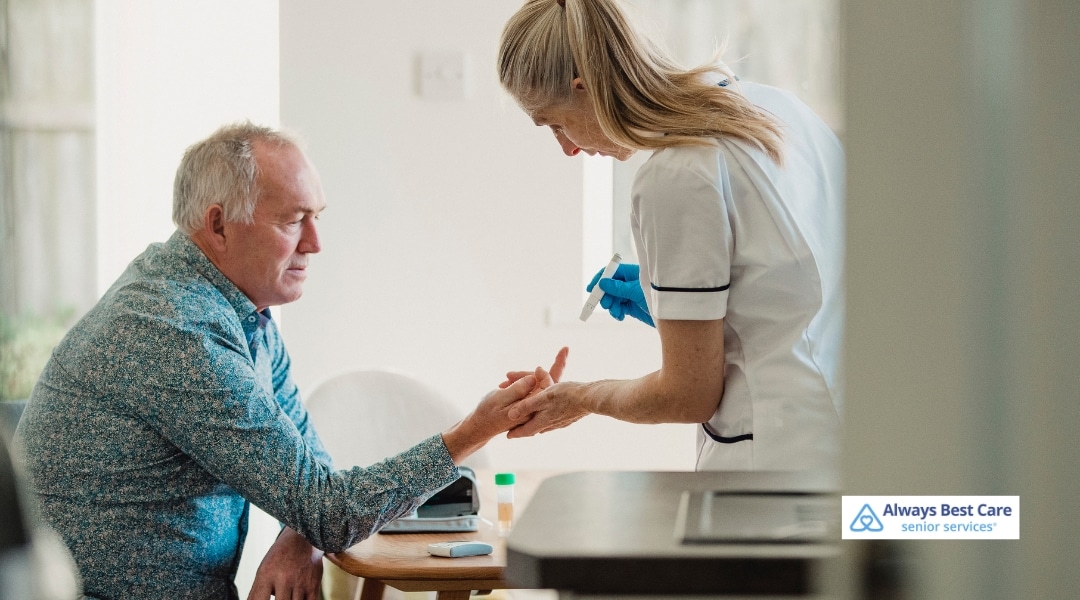
Diabetes is incredibly common among seniors, and here’s the good news—it’s totally manageable with the right approach. When you’ve got an older adult in your life dealing with diabetes, things can feel pretty overwhelming at first. Blood sugar levels fluctuate, medications pile up, and suddenly, meal planning becomes a whole production. But don’t worry. With solid support, daily attention, and a bit of know-how, your loved one can absolutely live an active, fulfilling life while managing diabetes effectively.
The tricky part? As folks get older, their bodies change. Metabolism slows down, they might be taking multiple medications for different conditions, and managing diabetes with seniors requires a thoughtful, personalized touch. That’s where understanding the specifics really helps.
What you will learn:
- How to manage diabetes effectively for seniors, focusing on nutrition, exercise, and medication routines.
- The challenges seniors face when managing diabetes at home and practical strategies for overcoming them.
- How professional in-home caregivers in Memphis can support seniors in maintaining a healthy, active lifestyle while managing diabetes.
- Key warning signs of diabetes-related complications and how to spot them early to prevent serious health issues.

Table of Contents
Understanding How Diabetes Affects Older Adults
So what’s actually happening when someone has diabetes? Essentially, their body isn’t processing glucose (sugar) the way it should, which means blood sugar levels stay higher than normal. Over time, if that’s not kept in check, it can damage the heart, kidneys, eyes, nerves—basically the whole system.
Most older adults deal with type 2 diabetes, which is usually connected to insulin resistance and lifestyle factors. Type 1 diabetes shows up too, though it’s less common in this age group and typically is diagnosed much earlier in life.
Here’s what makes managing diabetes with seniors different from younger folks: they’re often juggling multiple health conditions at once. They might have heart issues, kidney problems, or vision changes—all of which complicate diabetes care.
Real Challenges Seniors Face When Managing Diabetes at Home
Let’s be real about what actually trips people up:
- Forgetting their routine: Blood sugar checks and insulin doses slip their mind, especially if they’re living solo
- Eating becomes unpredictable: Appetite changes, dental problems, or just not feeling hungry can mess with meal timing
- Physical limitations: Arthritis, mobility issues, or general weakness make cooking and self-care tougher
- Vision troubles: Reading medication labels, measuring doses, or checking blood sugar gets harder
- Medication overload: Taking multiple prescriptions at different times creates confusion and mistakes
These aren’t small inconveniences—they genuinely impact blood sugar stability. And when blood sugar swings wildly, especially low (hypoglycemia), it can be genuinely dangerous for someone living independently.

Practical Strategies for Managing Diabetes with Seniors at Home
Keep Nutrition Simple and Satisfying
Here’s the thing about diet and diabetes—it doesn’t have to be complicated. What works best is straightforward:
- Load up on fiber-rich foods like vegetables, beans, and whole grains
- Stick with lean proteins such as fish, chicken, or plant-based options
- Keep sugary and refined carbs to a minimum
- Eat smaller, more frequent meals to prevent dramatic blood sugar swings
The real win? Avoid overly restrictive diets that make eating feel like punishment. Seniors are more likely to stick with eating habits that feel normal and satisfying, so work with what they already enjoy rather than forcing completely new routines.
Make Movement a Natural Part of the Day
Exercise absolutely helps lower blood sugar and boosts circulation, mood, and strength. But it doesn’t mean training for a marathon. For older adults, gentle activities work beautifully:
- Regular walks (neighborhood strolls or indoor laps)
- Light stretching or accessible yoga
- Chair-based exercises
- Gardening or household tasks that keep them moving
Before starting anything new, definitely check with their doctor to make sure it’s safe and appropriate.

Get the Medication Piece Right
This is huge, and honestly, it’s where things often fall apart. Staying consistent with medications and glucose monitoring can feel overwhelming. Here’s how to make it manageable:
- Set phone reminders for testing and medication times
- Use labeled pill organizers that make it crystal clear what goes when
- Keep a simple log of blood sugar readings
- Schedule regular check-ins with their healthcare provider
- Watch for mood, appetite, or energy changes—these often signal a blood sugar issue
Warning Signs That Something’s Off
Keep your eyes open for these red flags:
- Increased thirst or frequent urination
- Sudden tiredness or weakness
- Blurry vision
- Unexplained weight loss
- Wounds or infections that won’t heal quickly
If any of these pop up, get in touch with their doctor right away. Catching problems early makes a huge difference.

How Professional In-Home Care Helps with Managing Diabetes in Seniors
Here’s where we at Always Best Care of Memphis, TN come in. Managing diabetes solo is tough, and that’s exactly why professional caregiving support matters so much. Our caregivers can:
- Handle grocery shopping and meal prep that fits their dietary needs
- Encourage daily movement and keep them hydrated
- Give medication reminders and track everything
- Spot and report any concerning changes
- Provide companionship that actually reduces stress (which helps blood sugar, too)
With this kind of compassionate, hands-on support, seniors gain real control over their condition and actually enjoy life at home.
Frequently Asked Questions
Q: What A1C target should older adults aim for?
A: It depends on their overall health and independence level. Those who’re active and healthy generally target an A1C around 7–7.5%, while frailer seniors with multiple health issues might aim for 7.6–8.5% to reduce hypoglycemia risk.
Q: Can seniors still eat regular foods, or do they need special diabetic meals?
A: Regular meals work just fine! In fact, overly restrictive “diabetic diets” can actually lead to malnutrition. A consistent, moderate-carb approach with balanced nutrition is usually the way to go.
Q: How often should blood sugar be checked?
A: That’s something to discuss with their healthcare provider, as it depends on their specific situation, medications, and how stable their levels are.
Q: Is it dangerous if an older adult has low blood sugar?
A: Absolutely. Hypoglycemia can be serious for seniors, which is why preventing it through careful medication management and diet is so important.
Q: Should seniors stop taking insulin if they’re struggling?
A: Never stop medications without talking to their doctor. Instead, work with their healthcare team on simplifying regimens or adjusting doses to make management easier and safer.
Discover How to Help Your Loved Ones Manage Diabetes at Home with Confidence!
Managing diabetes with seniors doesn’t have to feel chaotic. When you break it down into manageable pieces—solid nutrition, gentle movement, consistent medication routines, and professional support—everything becomes way more doable.
Your loved one deserves to stay healthy, safe, and independent at home. That’s exactly what we’re here for.
Reach out to Always Best Care of Memphis, TN, today at (901) 414-2388 to schedule your care consultation about how our caregivers can help your family navigate diabetes care with genuine compassion and confidence.
We’re ready to help.