
Healthy Habits That Help Prevent Stroke: A Guide for Seniors in Memphis
Every 40 seconds, someone in the United States has a stroke. For older adults, the consequences can be severe — affecting speech, mobility, memory, and the ability to live independently. The good news is that up to 80% of strokes are preventable. With the right daily habits and proactive health management, seniors in Memphis, TN can significantly lower their risk and maintain a high quality of life.
What you will learn:
- How to manage key health factors like blood pressure and diabetes to keep your brain in tip-top shape.
- Simple and joyful ways to stay active and eat delicious foods that support your heart and mind.
- The wonderful benefits of having a helping hand from a caregiver make healthy living easy and consistent.
- Practical tips to lower your stroke risk so you can keep enjoying a vibrant life in our lovely Memphis community.

Table of Contents
Why Stroke Risk Rises with Age
Aging naturally changes the cardiovascular system. Blood vessels become less flexible, blood pressure tends to rise, and the heart may not pump as efficiently as it once did. These changes, combined with conditions like diabetes, high cholesterol, and atrial fibrillation, create an environment where stroke risk climbs steadily.
What makes stroke particularly dangerous is how quickly it strikes. Symptoms appear without warning, which is why prevention — not reaction — is the most effective strategy.
Control Blood Pressure Before It Becomes a Problem
High blood pressure is the single most significant risk factor for stroke. When pressure inside the arteries stays elevated, it gradually weakens vessel walls, making a rupture or blockage far more likely.
For seniors, keeping blood pressure in a healthy range requires consistent effort:
- Check readings regularly — at home and during medical visits
- Take prescribed medications without skipping doses
- Cut back on sodium, especially in processed and restaurant foods
- Stay physically active most days of the week
- Maintain a healthy weight
Small, consistent changes in diet and activity can bring blood pressure down meaningfully over time — sometimes without additional medication.
Manage Diabetes to Protect Your Blood Vessels
Diabetes and stroke are closely linked. Chronically high blood sugar damages the inner lining of blood vessels, making them more prone to blockages. Seniors with diabetes face roughly double the stroke risk compared to those without it.
Effective diabetes management includes:
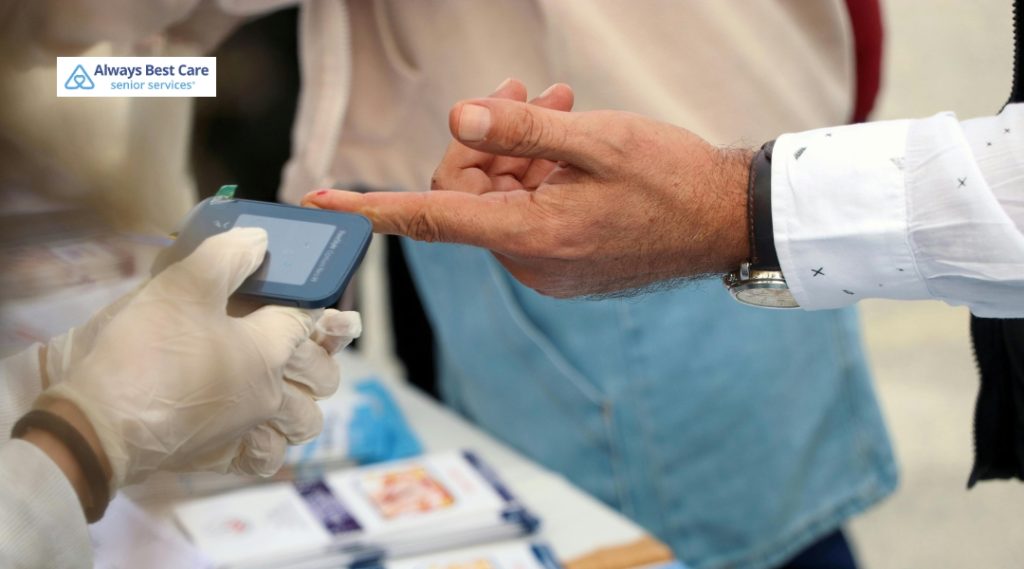
- Monitoring blood sugar levels consistently and logging results
- Following a meal plan that limits refined sugars and simple carbohydrates
- Taking medications or insulin as directed
- Staying active, since exercise naturally helps regulate blood sugar
Working closely with a physician or endocrinologist ensures that blood sugar targets are realistic and achievable.
Keep Cholesterol in Check
Cholesterol itself isn’t harmful — but when LDL (“bad”) cholesterol builds up in the arteries, it forms plaque that narrows blood flow to the brain. Over time, a piece of that plaque can break loose and trigger a stroke.
Seniors can support healthy cholesterol levels by:
- Prioritizing fiber-rich foods like oats, beans, and leafy greens
- Replacing saturated fats with heart-healthy options like olive oil, avocado, and nuts
- Limiting red meat and full-fat dairy products
- Following prescribed statin or cholesterol-lowering medication plans
Routine blood work helps track cholesterol trends and catch problems early.
Move More — Even a Little Goes a Long Way
Physical activity is one of the most powerful tools for stroke prevention. Exercise strengthens the heart, improves circulation, helps manage weight, and lowers both blood pressure and blood sugar. Yet many seniors avoid activity out of concern for injury or fatigue.
The reality is that moderate, consistent movement is what matters most. Effective options for older adults include:
- Daily walks through the neighborhood or a local Memphis park
- Chair-based stretching or light strength exercises
- Gardening, which combines movement with mental engagement
- Senior fitness classes such as yoga, water aerobics, or tai chi
Aim for at least 150 minutes of moderate activity per week. Even breaking that into 10-minute sessions throughout the day delivers real health benefits.
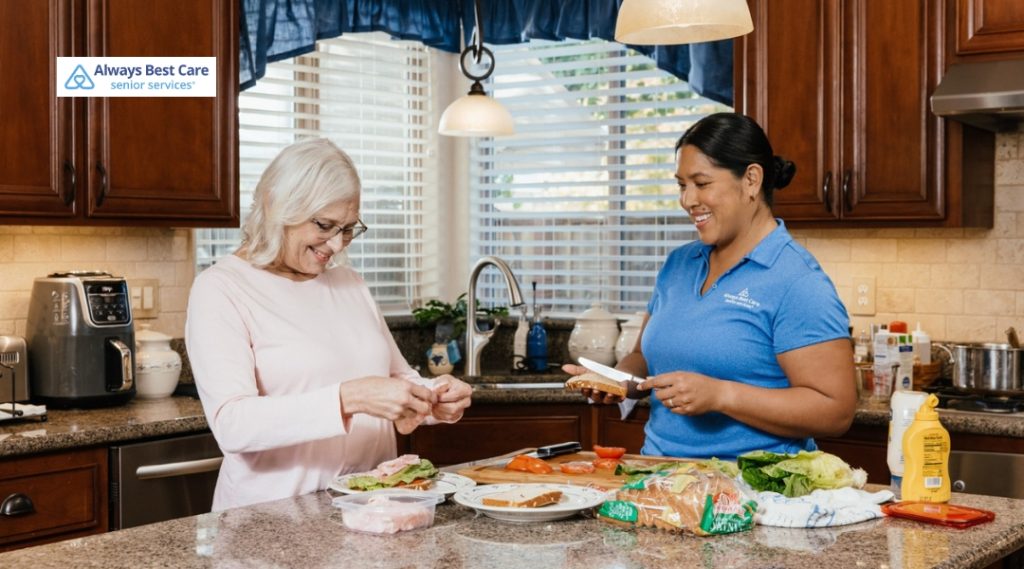
Eat to Support Brain and Heart Health
Diet directly influences the conditions that lead to stroke. A nutrient-dense eating pattern reduces inflammation, supports healthy blood vessels, and helps manage blood pressure, cholesterol, and blood sugar simultaneously.
A brain- and heart-healthy diet for seniors includes:
- A wide variety of colorful fruits and vegetables
- Whole grains such as brown rice, quinoa, and whole wheat bread
- Lean proteins, including fish, poultry, legumes, and eggs
- Healthy fats from sources like olive oil, walnuts, and salmon
- Minimal processed foods, added sugars, and high-sodium items
Staying well-hydrated is equally important. Dehydration can thicken the blood and increase clotting risk — a factor often overlooked in stroke prevention conversations.
The Role of Caregiving Support in Memphis, TN
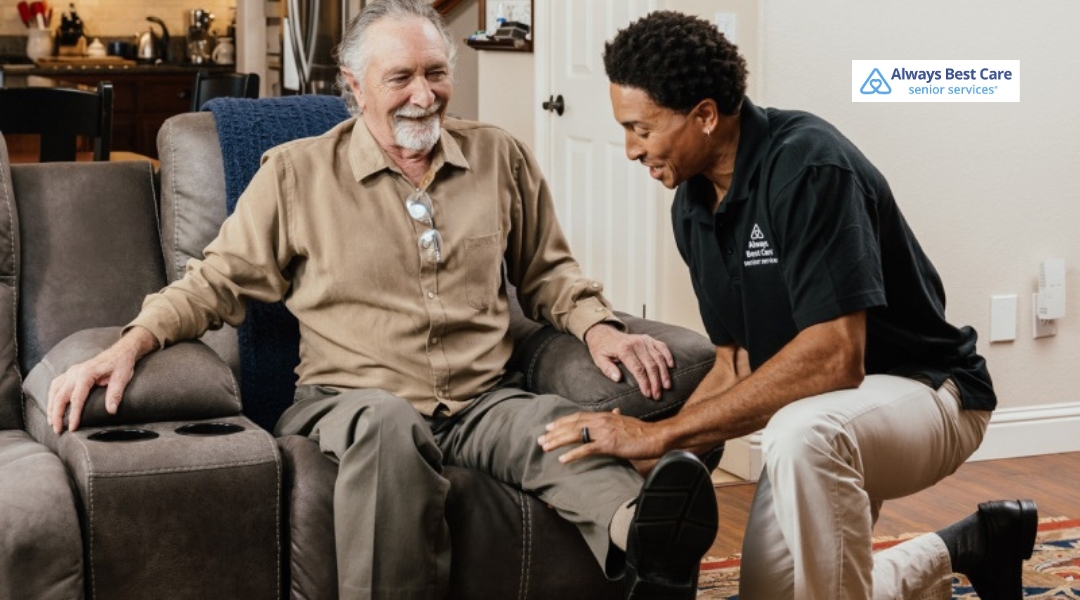
Maintaining these habits consistently is challenging for anyone — and even more so for seniors managing multiple health conditions or living alone. A caregiver can bridge the gap between knowing what to do and actually doing it every day.
Caregivers provide meaningful support by:
- Planning and preparing balanced, stroke-prevention-focused meals
- Accompanying seniors on daily walks or fitness activities
- Tracking medications and ensuring they’re taken on schedule
- Monitoring for early warning signs and communicating with healthcare providers
- Offering companionship that reduces stress, itself a contributing factor to cardiovascular disease
For families in Memphis, having a trusted caregiver involved in a senior loved one’s daily routine can make a measurable difference in long-term health outcomes.
Frequently Asked Questions
Q: What is the most important thing seniors can do to prevent a stroke?
A: Controlling blood pressure is the single most impactful step. High blood pressure is the leading cause of stroke, and managing it through medication, diet, and exercise significantly reduces risk.
Q: At what age does stroke risk increase most significantly?
A: Stroke risk roughly doubles every decade after age 55. Adults 65 and older account for the majority of stroke cases, making prevention especially important in this age group.
Q: Can diet alone prevent a stroke?
A: Diet is a powerful factor, but stroke prevention works best as a combination of healthy eating, regular physical activity, medication management, and routine medical checkups.
Q: What are the early warning signs of a stroke?
A: Use the acronym FAST: Face drooping, Arm weakness, Speech difficulty, Time to call 911. Acting quickly during a stroke can minimize brain damage and improve recovery outcomes.
Q: How can a caregiver help reduce stroke risk in seniors?
A: Caregivers support stroke prevention by helping seniors maintain consistent routines — including healthy meals, daily movement, medication adherence, and regular communication with healthcare providers.
Q: Is stroke risk hereditary?
A: Family history can increase stroke risk, but lifestyle factors play a much larger role. Seniors with a family history of stroke should be especially proactive about managing blood pressure, cholesterol, and diabetes.
Helping Seniors Stay Healthy and Independent in Memphis, TN
Stroke prevention isn’t a single action — it’s a lifestyle built on consistent, manageable habits. By addressing blood pressure, diabetes, cholesterol, diet, and physical activity together, seniors can dramatically reduce their risk and protect their independence for years to come.
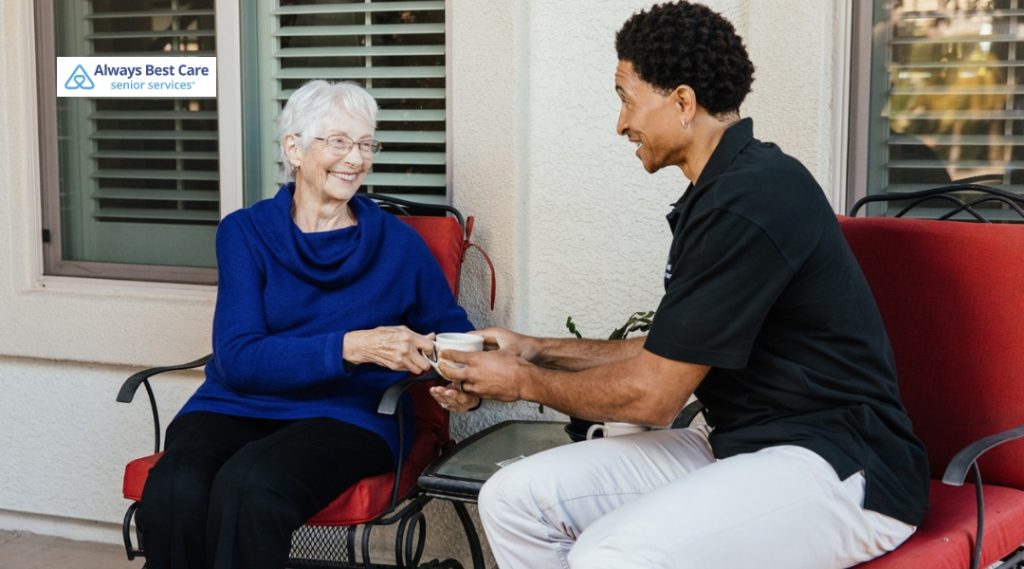
At Always Best Care of Memphis, TN, our caregivers work alongside seniors and their families to support healthy daily routines at home. Whether it’s meal preparation, medication reminders, or simply being a reliable presence, we help create the conditions for lasting well-being.
Call Always Best Care of Memphis, TN today at (901) 414-2388 to schedule a care consultation and learn how we can help your loved one stay healthy, active, and independent.
Link to the Markdown File version of this article.